11 Dec 2025
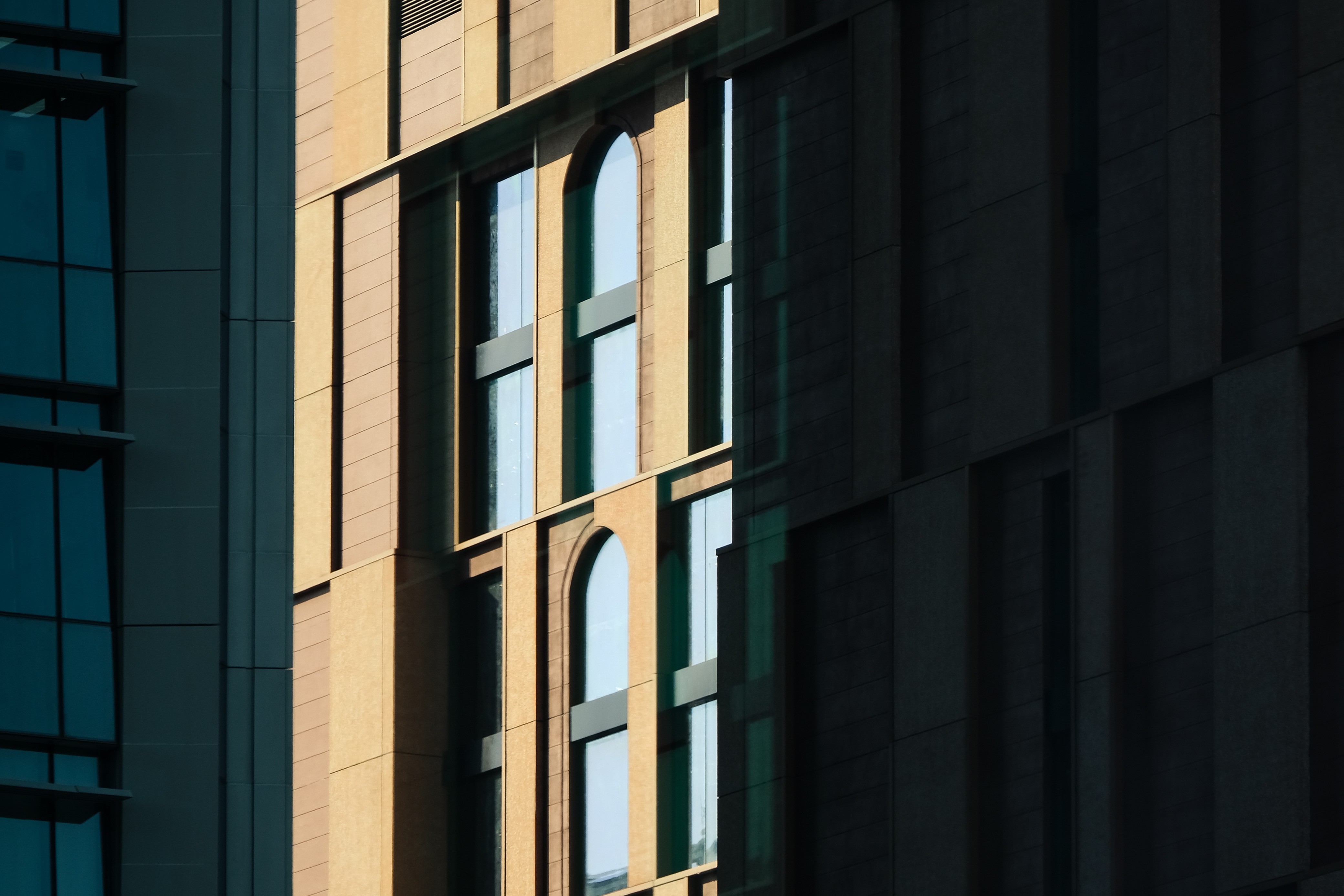
Architecture is one of the most powerful forms of human expression, which serves not only to create places for living or working but also to communicate culture, lifestyles, and societal values across different eras. Every line, every material, and every element within a structure reflects the creativity of its designers while narrating a city’s evolution in ways that words alone cannot fully capture.
For this reason, architectural styles are far more than physical constructions. They are monumental works of art that breathe energy into cities and enrich the everyday lives of those who encounter them, even during a brief walk past.
What Is Architecture and Why Is It Essential to Cities and People?
At its core, architecture is the creation of meaningful spaces for human activity, whether living, working, strolling, gathering, or seeking inspiration. Every building and every corner of a space is intentionally designed to support specific forms of human engagement and to enhance quality of life.
When architecture fulfils its purpose, a place becomes more than a practical location. It turns into a centre of experience, connection, and culture. Cities around the world use architecture to bind people to their surroundings in ways that feel natural and intuitive.
In the modern world, architecture also allows art to blend seamlessly into daily life. When art and architecture coexist, cities feel more alive, communities become more connected, and places become truly memorable.
Seven Architectural Styles Whose Beauty is Art
Having understood architecture as a “living art form”, we can now explore seven remarkable styles that stand out today. Each one reflects creativity, the dialogue between function and beauty, and the ways modern building design supports and enriches human life.
1. Modern Architecture
Modern architecture emphasizes simplicity and the honesty of materials. Clean lines, open spaces, and the removal of unnecessary elements are the core principles. These features highlight true functionality and echo the minimalist spirit that continues to influence the modern architectural style today.
2. Contemporary Architecture
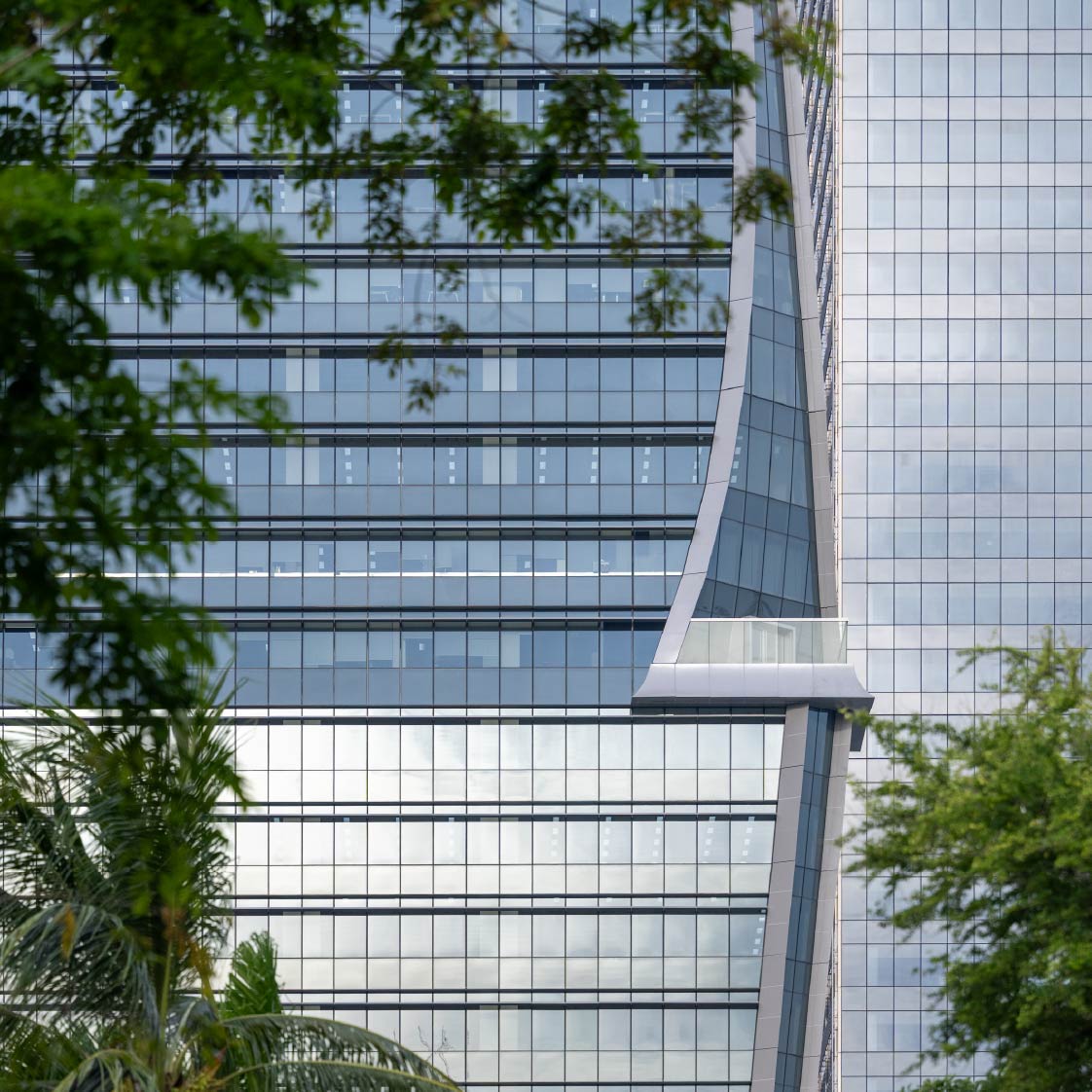
Where modern architecture lays the foundation, contemporary architecture represents the dynamic present. Free-form structures, new materials, and diverse construction techniques allow designers to experiment continually. As a result, this style evolves and carries a unique identity shaped by modern architectural concepts.
3. Sustainable Architecture
As the world prioritises environmental responsibility, sustainable architecture has become a new standard. It focuses on natural or eco-friendly materials, reducing waste and optimising energy circulation. These buildings offer both beauty and long-term benefit to the planet.
4. High-Tech Architecture
High-tech architecture focuses on structure and technology, which are deliberately exposed: pipes, steel, mechanical systems, and industrial materials. This design philosophy showcases engineering aesthetics openly while blending advanced technology with practical space.
5. Parametric Architecture
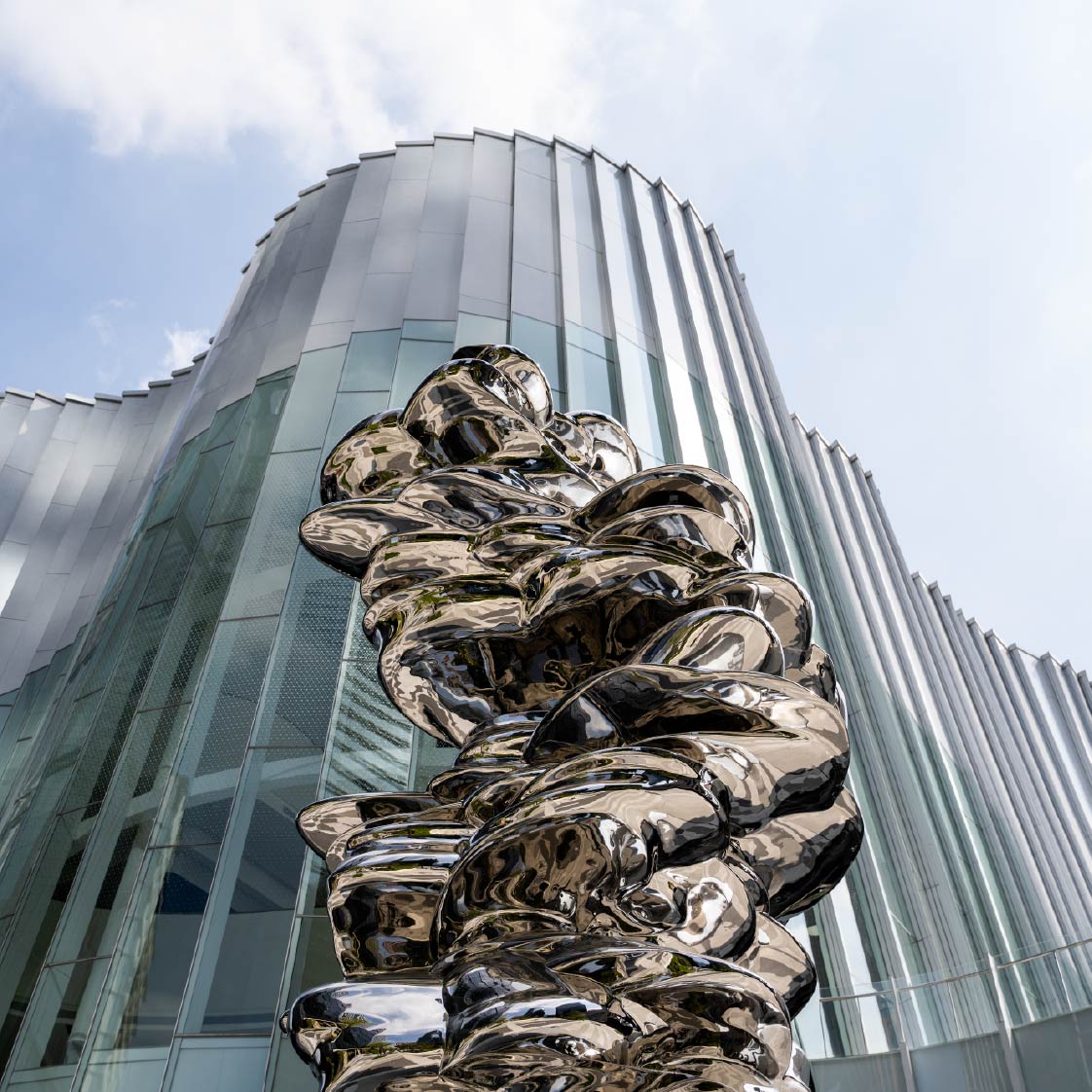
Parametric architecture is defined by its flowing, organic forms, which resemble living organisms or sculptural artworks. These shapes are created using computational design and specialised software, enabling modern building design outcomes beyond what is achievable by hand.
6. Hybrid Architecture
Hybrid architecture blends past and present or merges diverse cultural influences with modern needs. By combining materials, techniques, and styles with great care, this approach produces depth, richness, and harmony. It is contemporary yet respectful of the original context.
7. Museum and Gallery Architecture
Museums and galleries rely on architecture to define the visitor’s artistic experience. These spaces are open, neutral, and flexible, ensuring artworks take centre stage. Materials, lighting, and structural lines work together to immerse visitors deeply in the world of art.
One Bangkok: Where Architecture and Art Become One
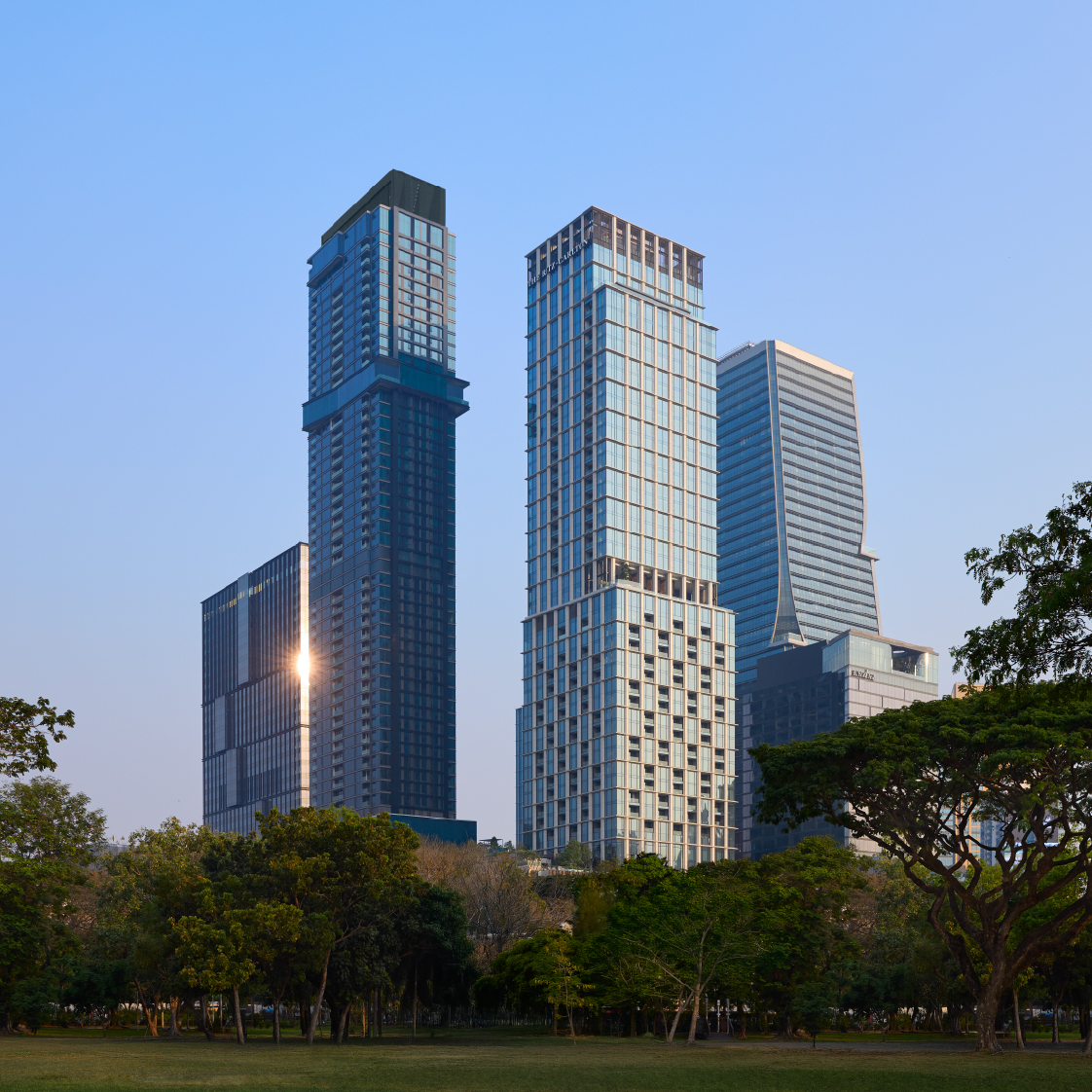
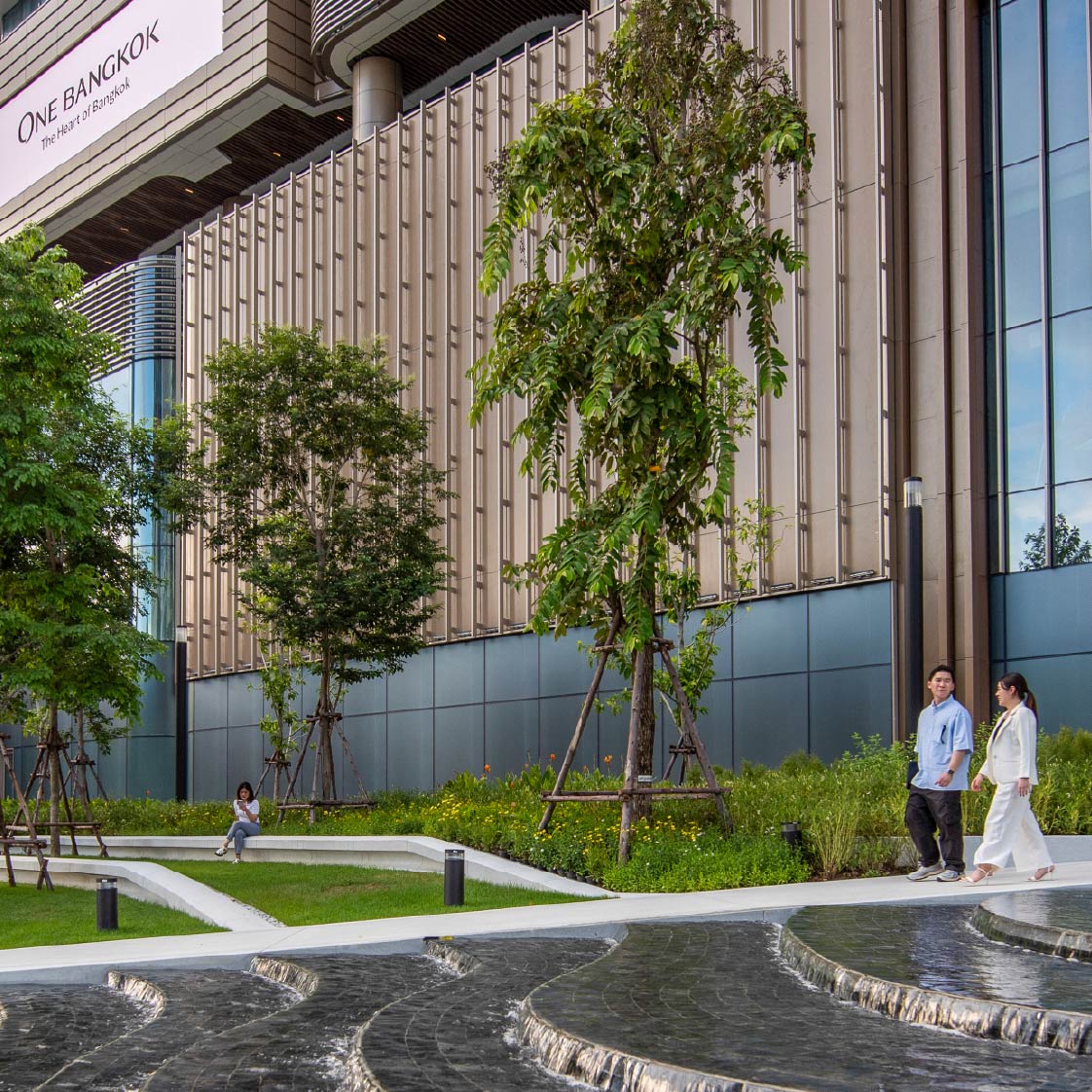
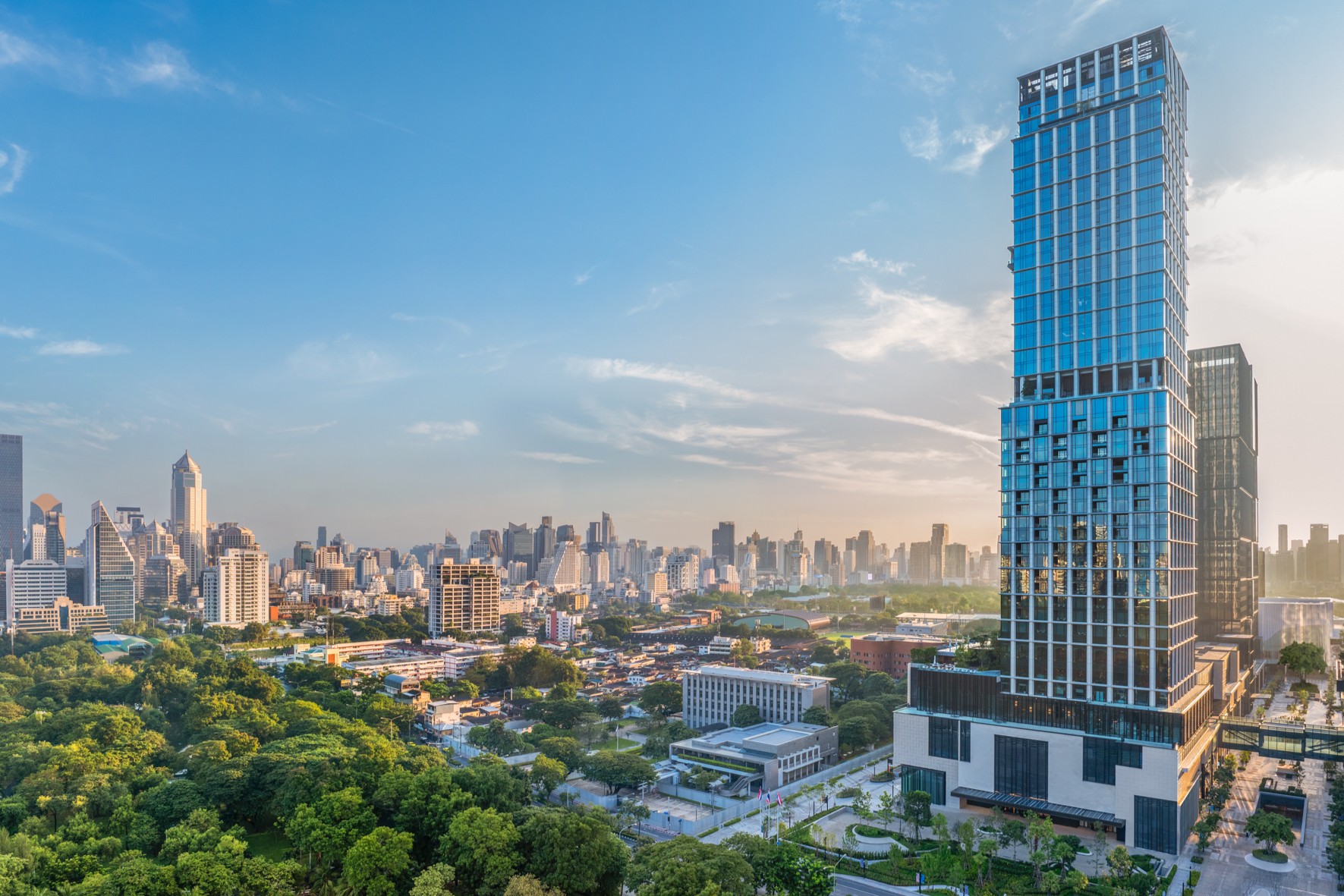
Architecture and art possess the ability to transform everyday spaces into living experiences. One Bangkok embodies this belief by designing not only buildings and urban spaces but also a landscape where art becomes part of daily life for everyone.
One core idea behind the art programme at One Bangkok is accessibility. Art should live close to people. Every architectural line, every semi-outdoor passageway, and every chosen material is designed to coexist harmoniously with art so visitors feel inspired from their first step inside.
Public Art Throughout the District
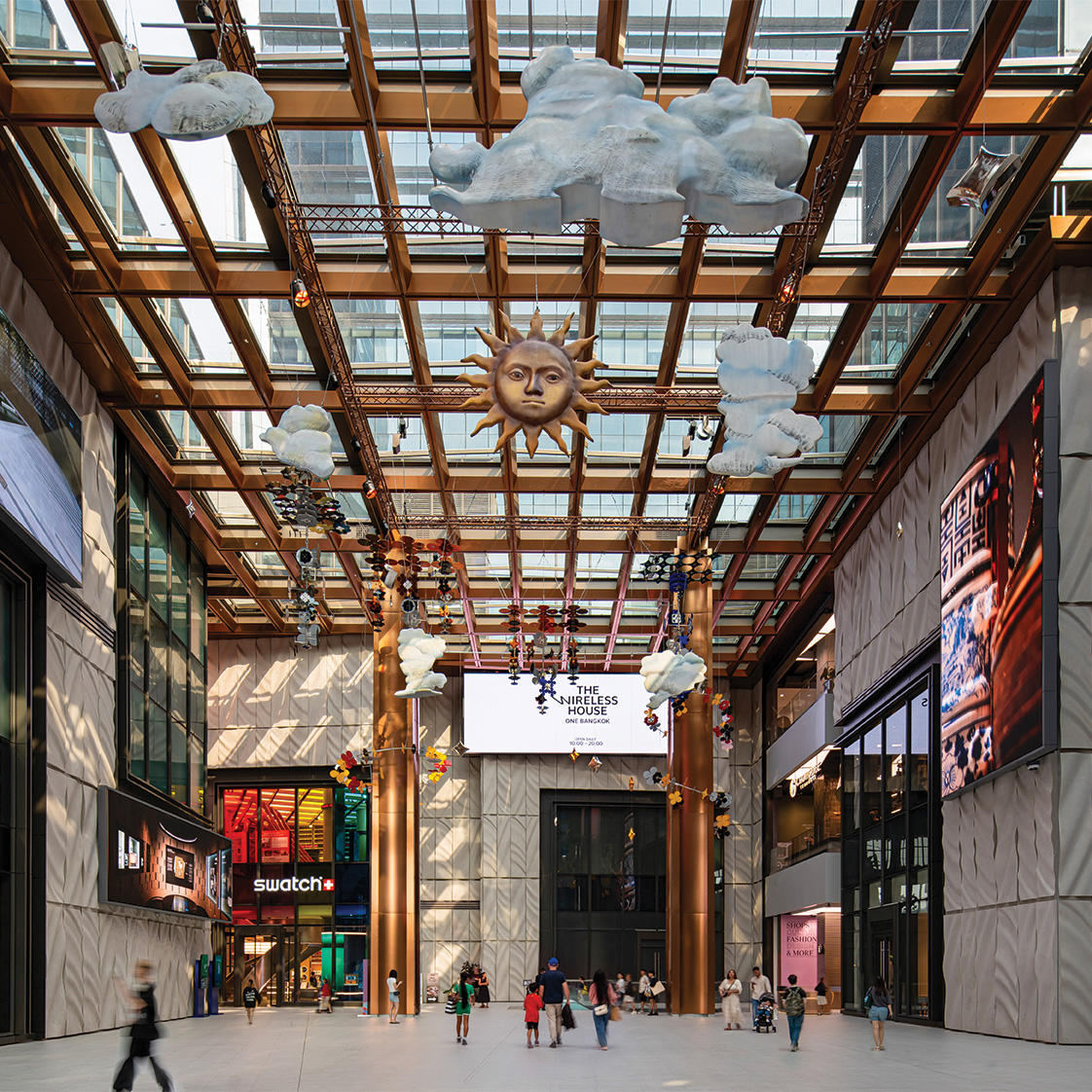
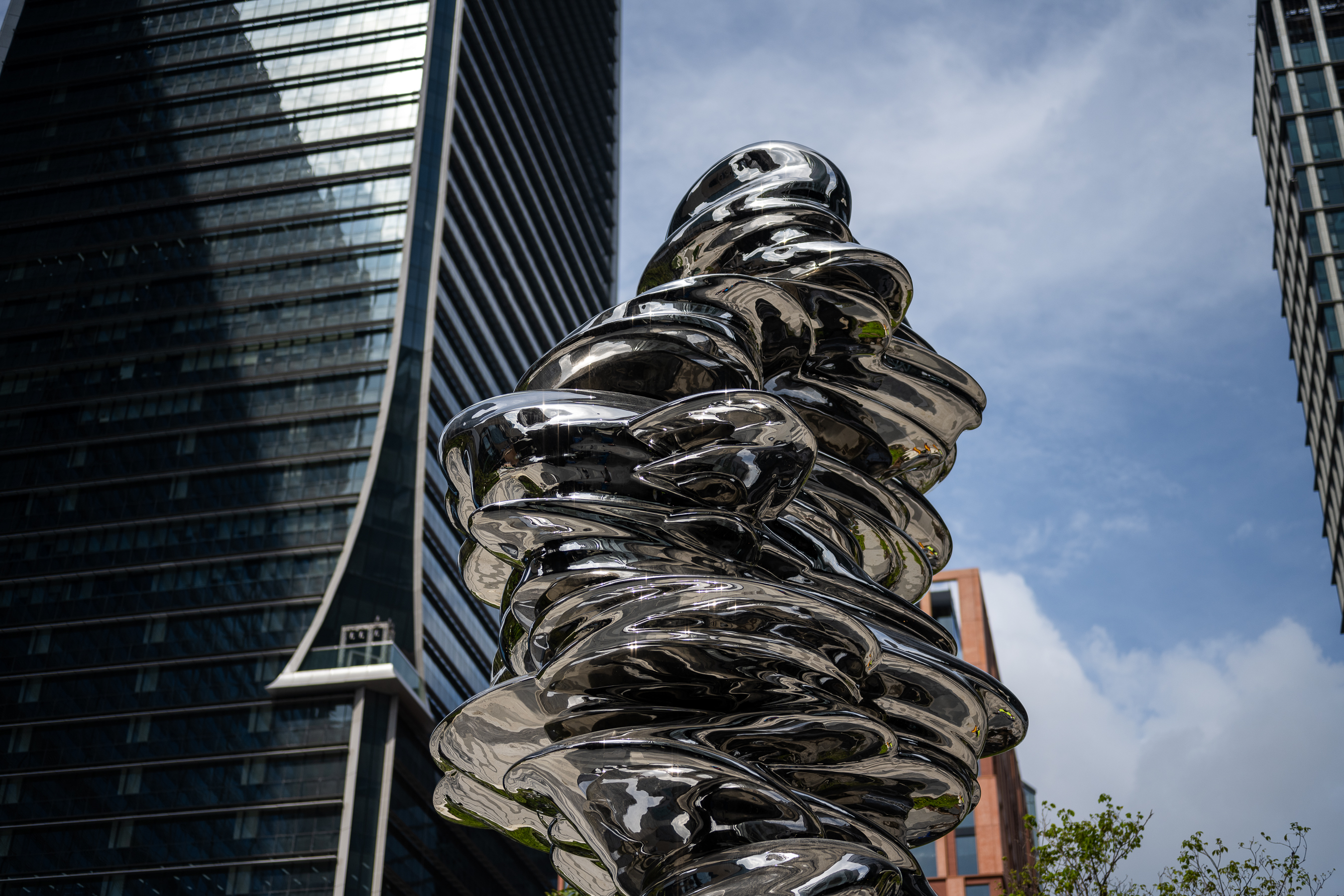
One Bangkok curates works from celebrated Thai and international artists such as Anish Kapoor, Tony Cragg, and Elmgreen & Dragset. These pieces are placed in locations through with people naturally walk, from open plazas to building atriums. Each artwork connects meaningfully with its surroundings, which allows public art to become part of the city-going experience.
Flexible Spaces Supporting Diverse Art Forms
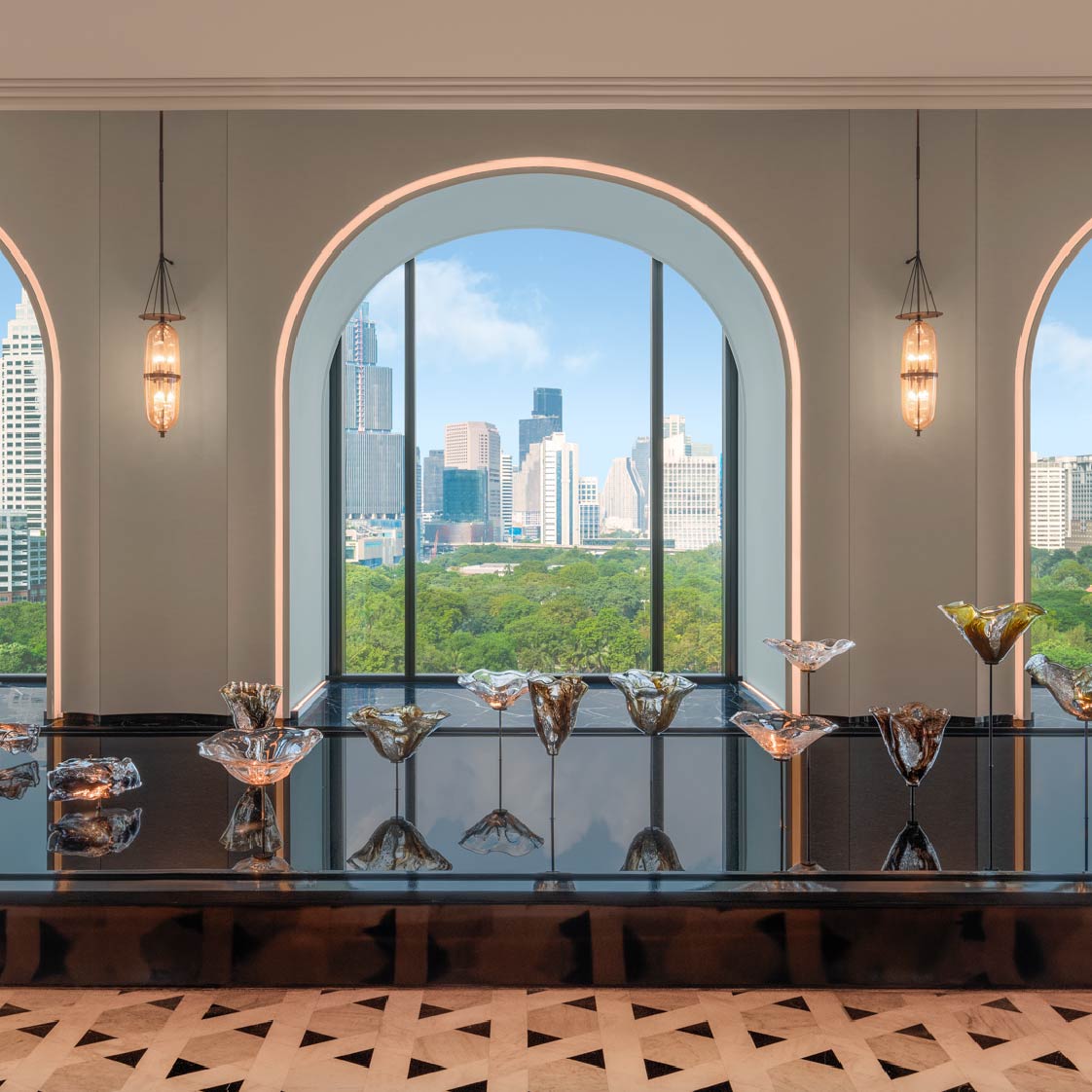
Within the development, galleries, naturally lit spaces, open squares, and tall atriums support a wide range of artworks. Large sculptures, paintings, and digital installations such as LED art screens all find a place to thrive, making the art ecosystem vibrant and ever-evolving.
Architecture Designed to Elevate Art
Every architectural decision in One Bangkok is crafted to highlight each piece of art. Lines, shapes, light and shadow, and selected materials all serve as frames that enhance artistic expression, allowing architecture and art to beautifully complement one another.
Art Loop: A Walkable Artistic Journey
The Art Loop is designed as a continuous pathway that guides visitors through a curated narrative of artworks. Each stop presents new perspectives, thoughtfully arranged to deliver inspiration and fresh views of contemporary urban life.
Come and experience this living art environment at One Bangkok, a place where artists, art lovers, and city dwellers can meet, share perspectives, and discover inspiration every day.
Explore an art exhibition One Bangkok experience or discover spaces that reflect the spirit of a Bangkok contemporary art museum within the district.
References:
Types of Art – An Exploration of the Different Types of Art. Retrieved on 27 November 2025 from https://artincontext.org/types-of-art/.
Tag
SHARE

Another Premium Development by





Another Premium Development by