12 Feb 2026
Key takeaway
Gaining a deep understanding of Chinese New Year traditions is an essential step towards beginning the new lunar year with confidence and clarity. The practice of honouring Cai Shen and Guanyin is not merely about asking for wealth or blessings, but about embracing the philosophies of prosperity, wisdom, and compassion as guiding principles for life. Preparing both mentally and spiritually, while observing Chinese New Year rituals correctly, is akin to opening the door to positive energy, balance, and long-lasting prosperity throughout the year.
Table of Contents
Chinese New Year is not merely a festive celebration marking the start of a new calendar year. It is a deeply spiritual milestone observed by Chinese communities and Thai-Chinese families for centuries. This sacred period symbolises a cleansing of the past to welcome new beginnings, while expressing gratitude and reconnecting with the spiritual realm through Chinese New Year rituals rooted in profound cultural philosophy.
The Chinese New Year tradition reflects gratitude and mindful new beginnings
In today’s fast-paced world, understanding Chinese New Year traditions offers an opportunity to reconnect with cultural roots and prepare the mind for renewal. The ritual sequence reflects life priorities, beginning with worshipping celestial deities to show respect for nature and the universe, followed by honouring ancestors as an expression of gratitude, and concluding with offerings to wandering spirits as a symbol of compassion and generosity.
Attention to details, such as the number of incense sticks to use, also carries symbolic meaning. Incense smoke represents the connection between heaven, earth, and humanity. Typically, three incense sticks are used for deities to honour moral virtues, while some traditions use five to represent the five elements. One incense stick is often used for ancestors, reflecting focused remembrance. Observing Chinese New Year rituals correctly is both a spiritual practice and a mindful exercise.
What to prepare for Chinese New Year rituals: Understanding symbols of abundance
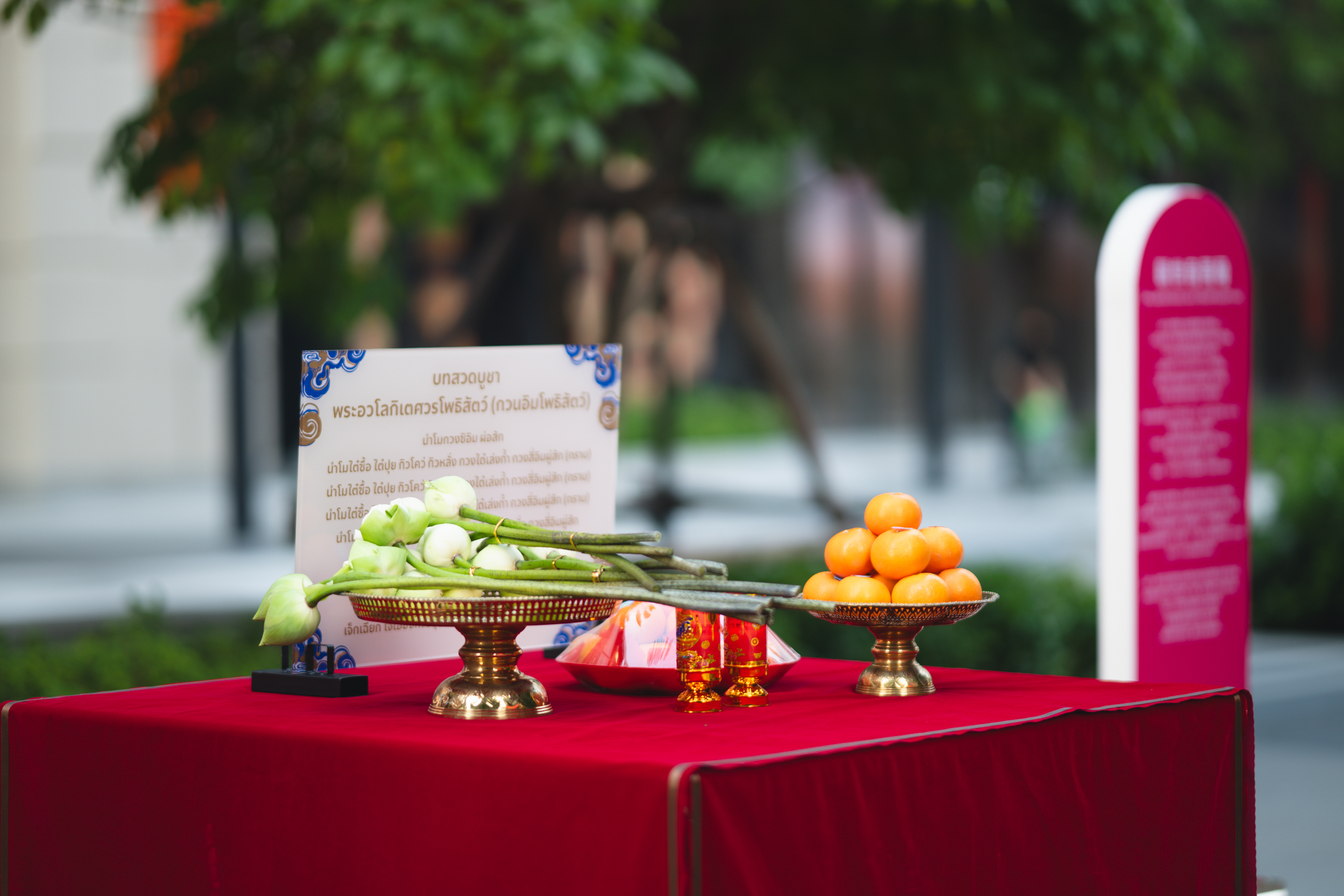
When considering what to prepare for Chinese New Year activities, the answer goes beyond food to understanding the symbolic language behind each offering.
Carefully selecting high-quality offerings reflects readiness and sincere intention to welcome success in the new year.
Chinese New Year God ritual: Welcoming wisdom and financial discipline through Cai Shen
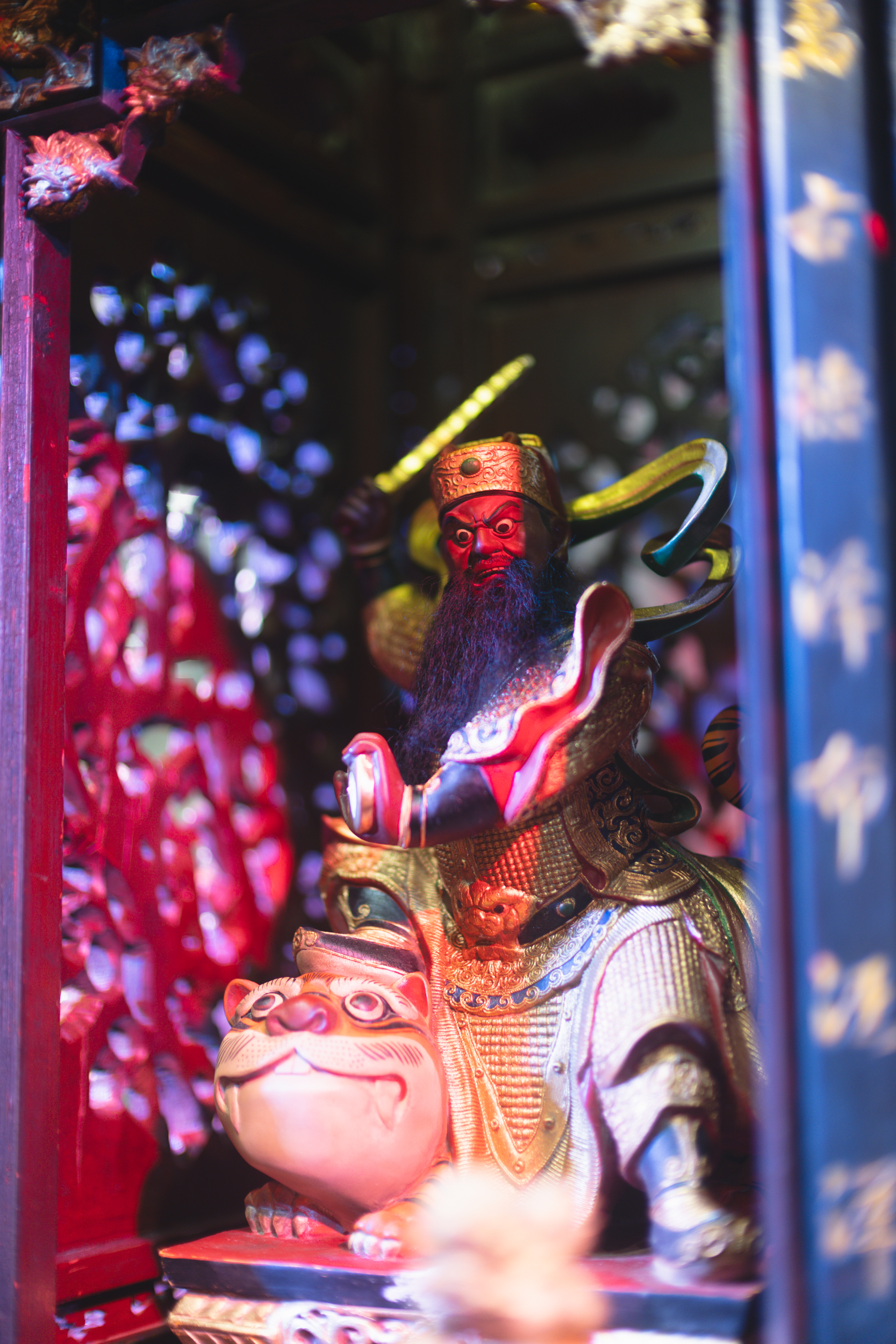
One of the most important Chinese New Year rituals takes place on New Year’s Eve with the worship of Cai Shen, the God of Wealth. Beyond financial blessings, Cai Shen represents wisdom in wealth creation and responsible financial management.
The ritual requires physical and spiritual preparation, including cleansing the home and oneself before welcoming prosperity during the auspicious hours between 11.00 p.m. and 1.00 a.m. The worship direction changes annually according to astrological beliefs, teaching awareness of timing and opportunity, key lessons in both life and finance.
Honouring Guanyin: Emotional balance and compassion
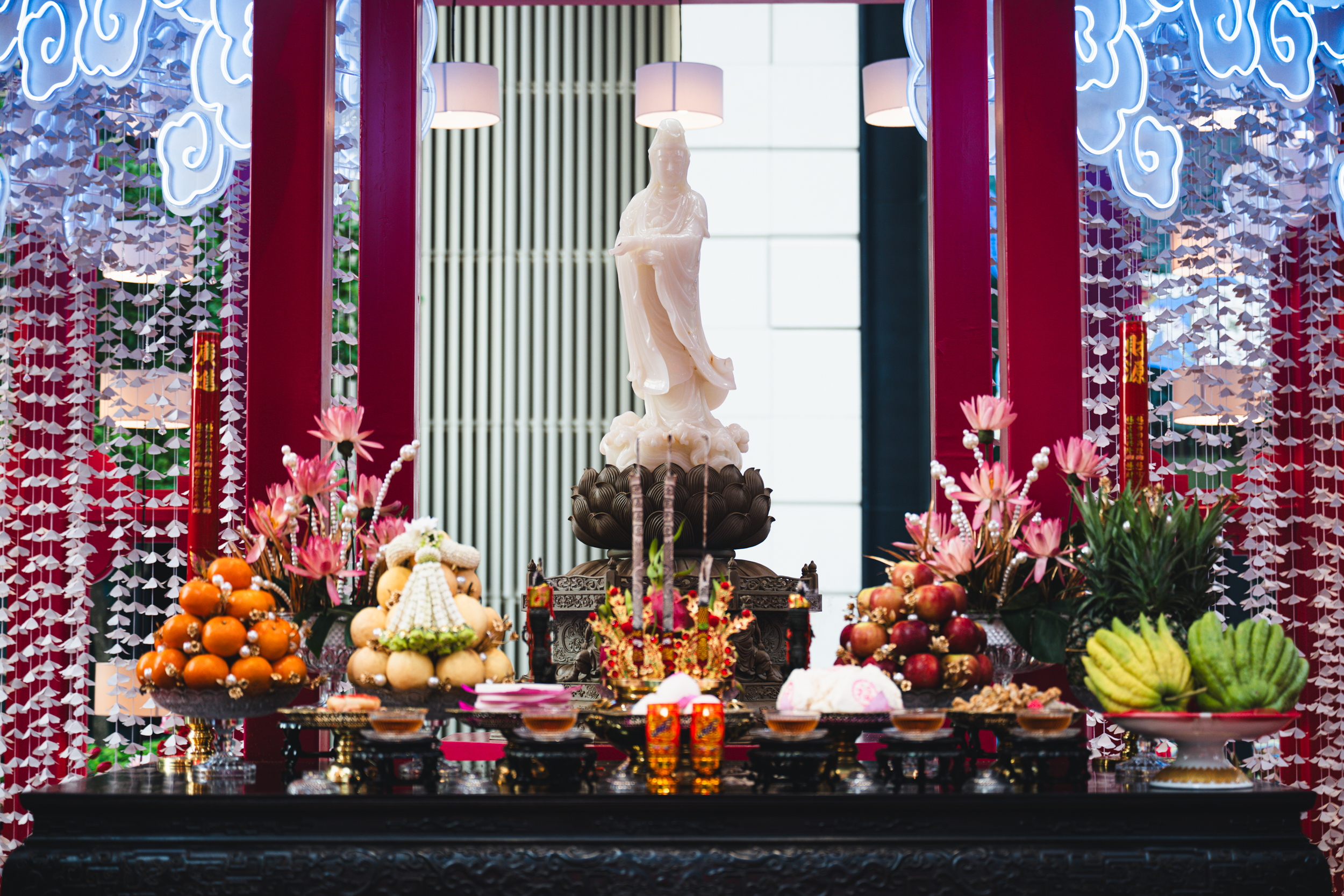
Beyond material success, emotional well-being is the foundation of a fulfilling life. Worshipping Guanyin during Chinese New Year rituals focuses on peace, health, and protection. As the embodiment of compassion, Guanyin encourages kindness, forgiveness, and goodwill.
Guanyin Bodhisattva symbolises great compassion. Worshipping her encourages a gentle state of mind, fostering forgiveness and goodwill towards others. This inner awareness also guides behaviour during the festive period, helping devotees understand what not to do on Chinese New Year, such as avoiding conflict, harsh words, or negative intentions. When the heart is calm and filled with compassion, wisdom naturally arises, enabling clearer problem-solving and reducing conflicts within families or organisations. This harmony becomes a powerful force that supports balance, unity, and forward momentum in life.
Experiencing faith and preserving tradition at “One Dynasty The Era of Blessings Chinese New Year Celebration 2026” at One Bangkok
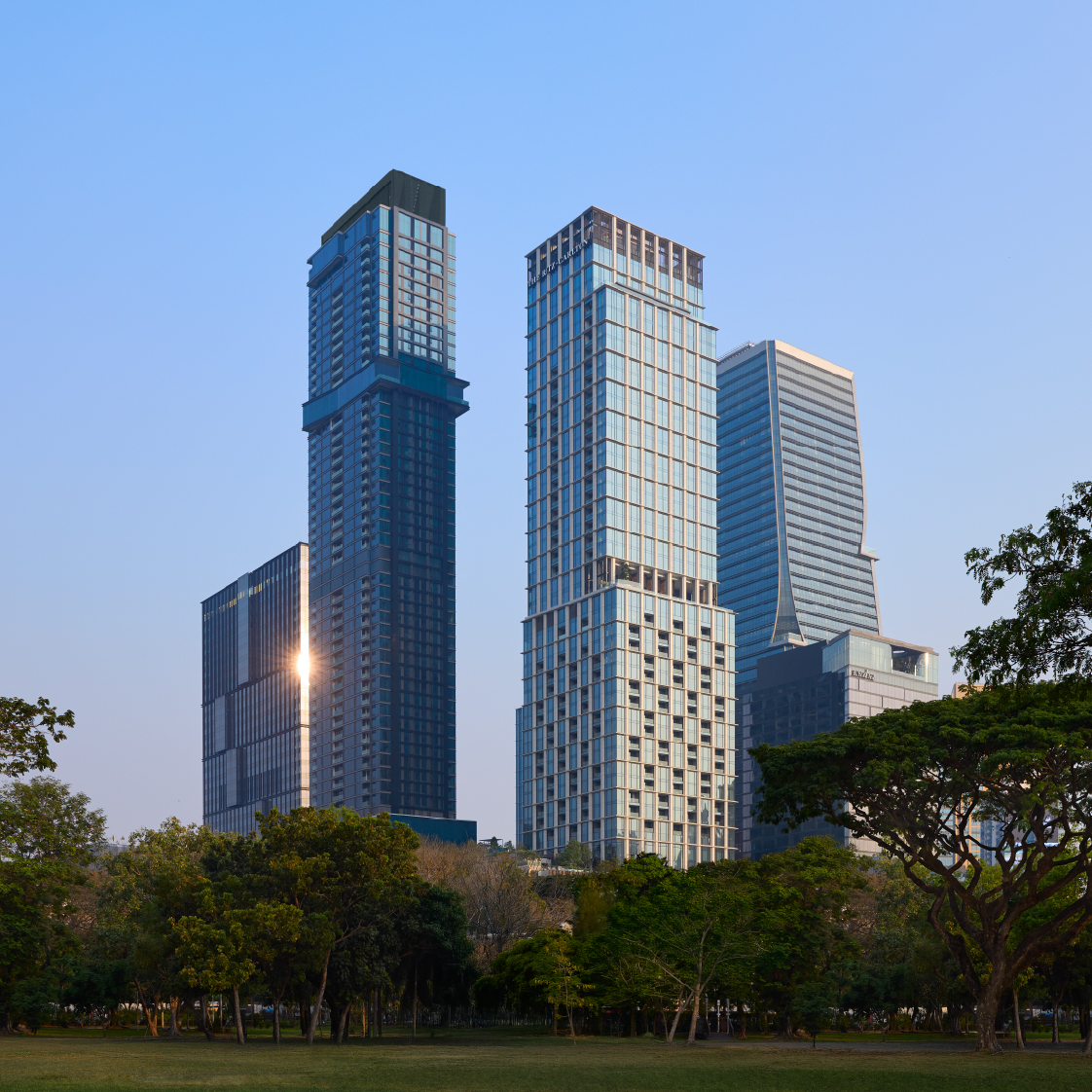
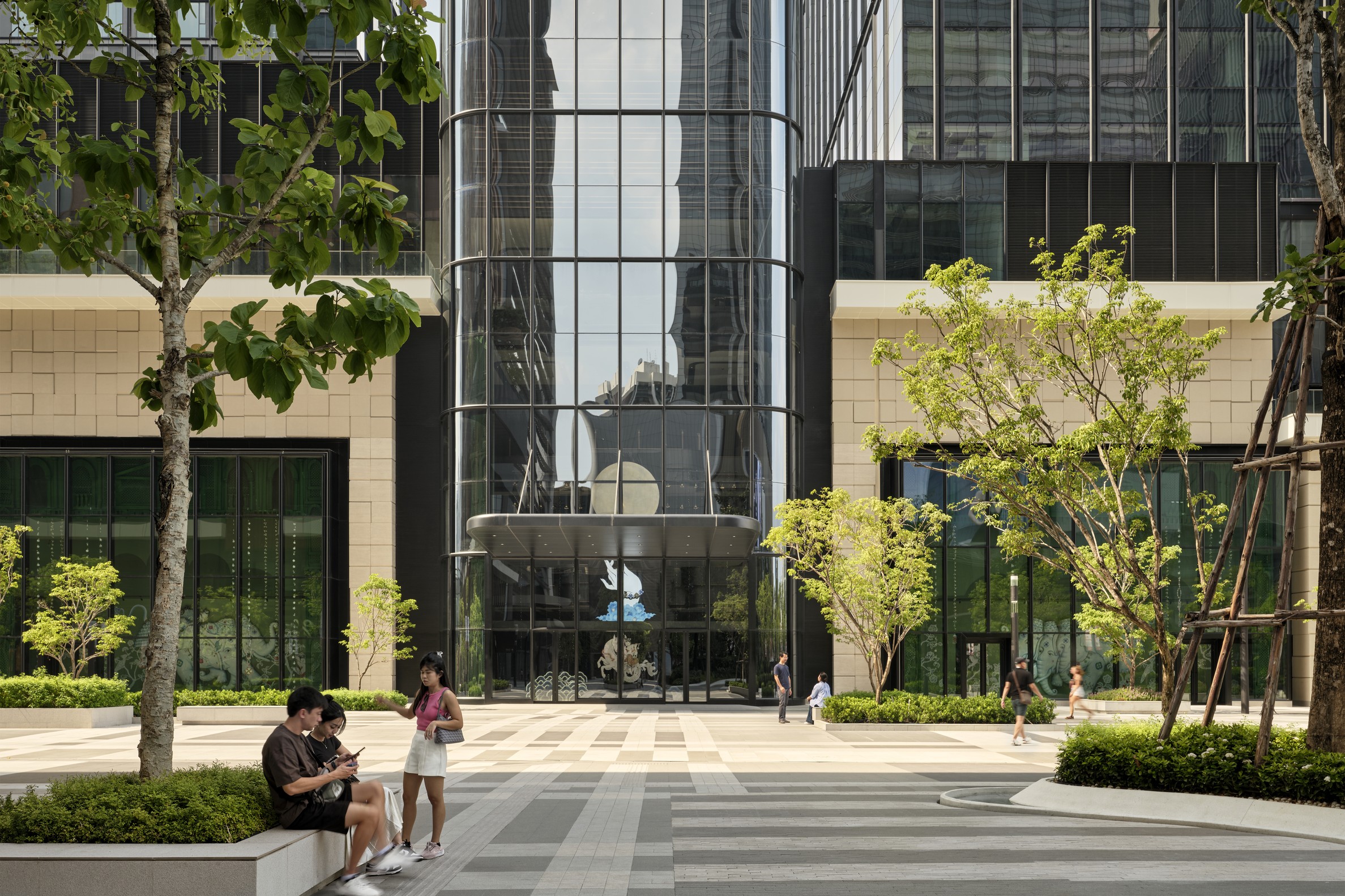
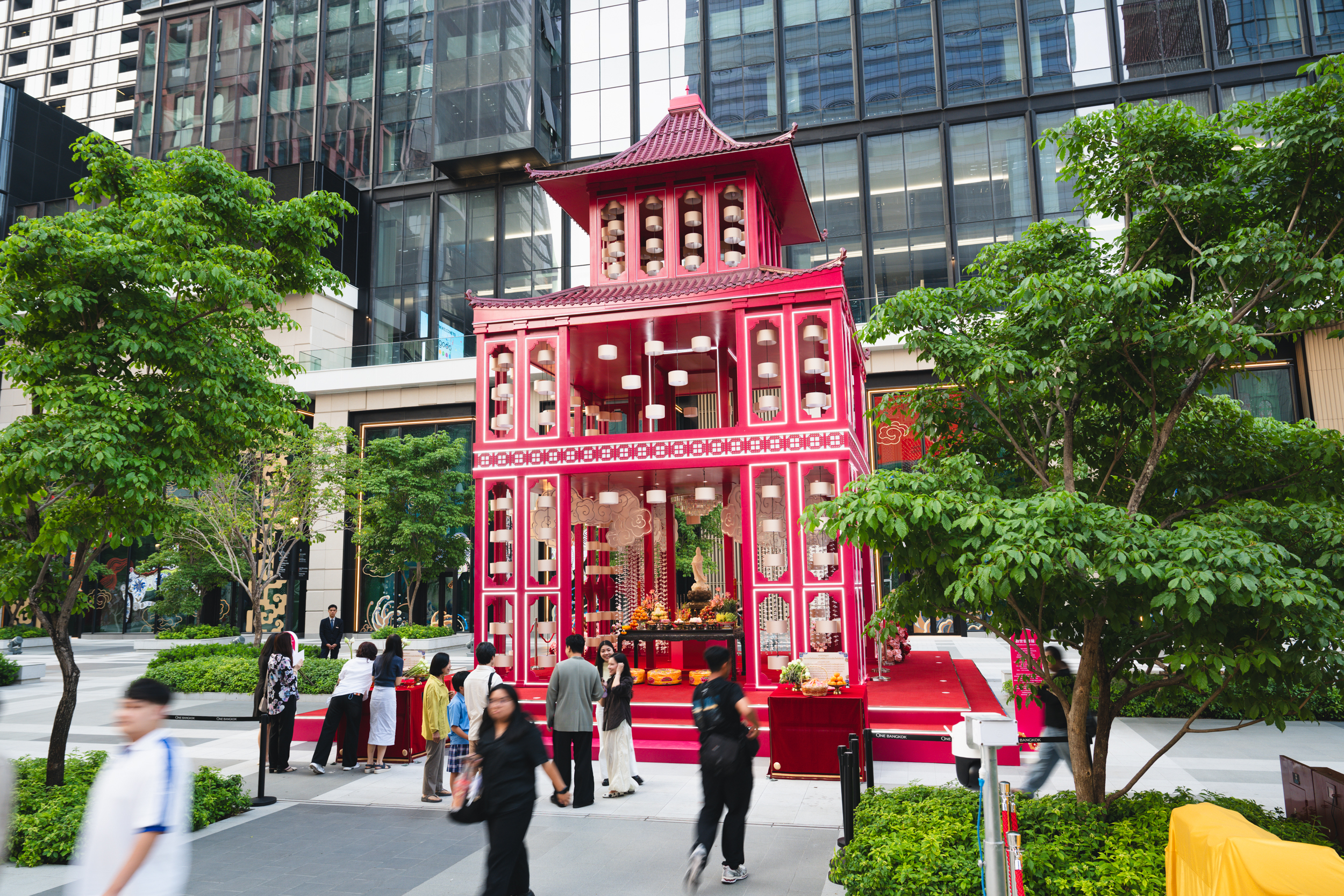
Chinese New Year seamlessly blends lifestyle, belief, and cultural artistry. One Bangkok is committed to preserving and elevating this heritage by serving as a cultural hub for meaningful celebrations.
At One Dynasty The Era of Blessings Chinese New Year Celebration 2026, sacred deities from Wat Mangkon Kamalawat (Leng Noei Yi Temple) will be enshrined on-site from 10 February to 4 March 2026. Visitors can worship Cai Shen for financial prosperity and Guanyin for peace and well-being, making this a rare opportunity to celebrate tradition as a family.
Discover the spirit of renewal, positive energy, and cultural continuity at One Dynasty The Era of Blessings Chinese New Year Celebration 2026 at One Bangkok, an inspiring lifestyle center in Bangkok dedicated to sustainable happiness and shared heritage.
FAQ
Frequently asked questions about Chinese New Year rituals and deities (FAQs)
Q: When is the most auspicious time to worship Cai Shen?
A: According to Chinese New Year traditions, the most auspicious time is during the transition between the old and new year, from 11.00 p.m. to 1.00 a.m., known as the first hour of the year, to welcome the God of Wealth at the very beginning of the new cycle.
Q: How does worshipping Guanyin differ from ancestor worship?
A: Guanyin follows a vegetarian tradition. Meat offerings are strictly prohibited. Worship should focus on tea, clean water, fresh flowers such as lotus blossoms, and auspicious fruits to symbolise purity and compassion.
Q: Why are oranges essential during the Chinese New Year?
A: In Chinese culture, oranges symbolise good fortune due to their phonetic association with prosperity, while their golden colour represents wealth. Exchanging oranges is a way of wishing happiness and abundance for the year ahead.
Tag
SHARE

Another Premium Development by





Another Premium Development by