26 Dec 2025
Key takeaway / Summary of topic answer
Global warming is caused by the accumulation of greenhouse gases from human activities, including fossil fuel combustion, deforestation, agriculture, and industry. These factors lead to widespread impacts of global warming on health, the economy, society, and the environment, ranging from heatwaves and disasters to ecosystem damage. One Bangkok, as a model of urban sustainability, integrates green and smart city concepts to mitigate these challenges and prepare for future environmental shifts.
Table of Content
As time passes, events such as extreme heat, melting polar ice, and heavy rainfall leading to floods are no longer distant threats. They are clear signals of global warming affecting the environment, the economy, and daily life. Raising awareness about the causes of global warming and its consequences is vital for effective planning and adaptation.
What are the Causes of Global Warming?
Global warming is a phenomenon where the Earth's average temperature increases continuously due to the accumulation of heat-trapping gases in the atmosphere. The primary causes include:
Together, these gases create the "Greenhouse Effect," leading to rising global temperatures and severe climate change, which forms the core of the problems of the global warming we face today.
Impacts of Global Warming
The consequences of a warming planet are not limited to temperature changes but have a widespread impact as follows:
1. Impact on Health
The climate shifts resulting from the problem of global warming directly threaten human health. It increases the risk of heat-related illnesses and fatalities, such as heatstroke. Furthermore, global warming exacerbates air pollution through increased wildfires and rising ozone levels, leading to respiratory issues for urban dwellers.
2. Economic and Social Impacts
The impacts of global warming cause widespread economic and social loss, particularly regarding food security, as droughts and floods devastate agricultural yields. Furthermore, natural disasters damage critical urban infrastructure including roads, buildings, and power systems, requiring massive budgets for restoration.
3. Impact on the Environment and Ecosystems
Rising global temperatures lead to more intense and prolonged heatwaves, triggering extreme weather patterns. Disasters such as storms, floods, and droughts cause irreversible damage to ecosystems, most notably through coral bleaching and the extinction of species unable to adapt to rapid changes.
One Bangkok: A Sustainable City Addressing Environmental Challenges
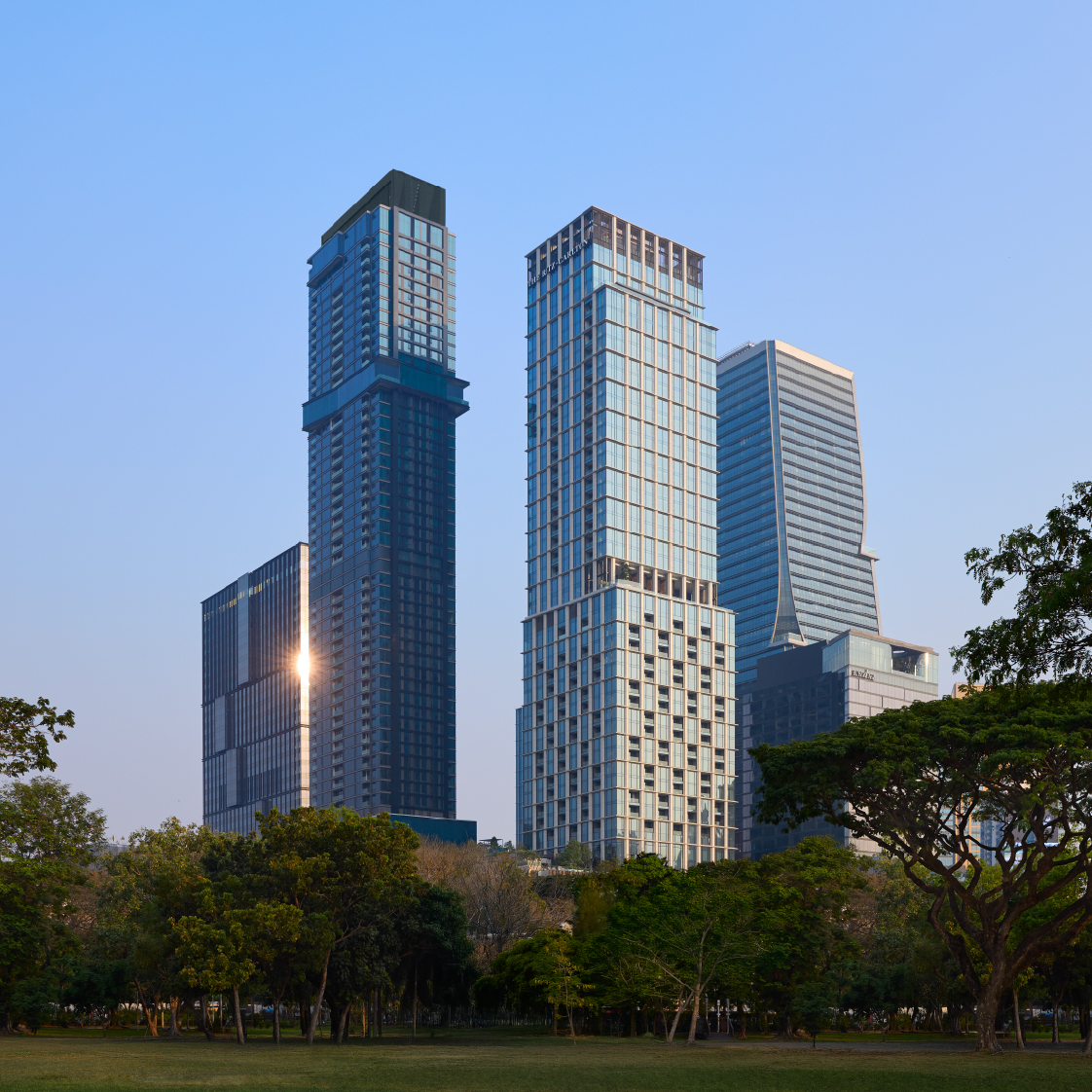
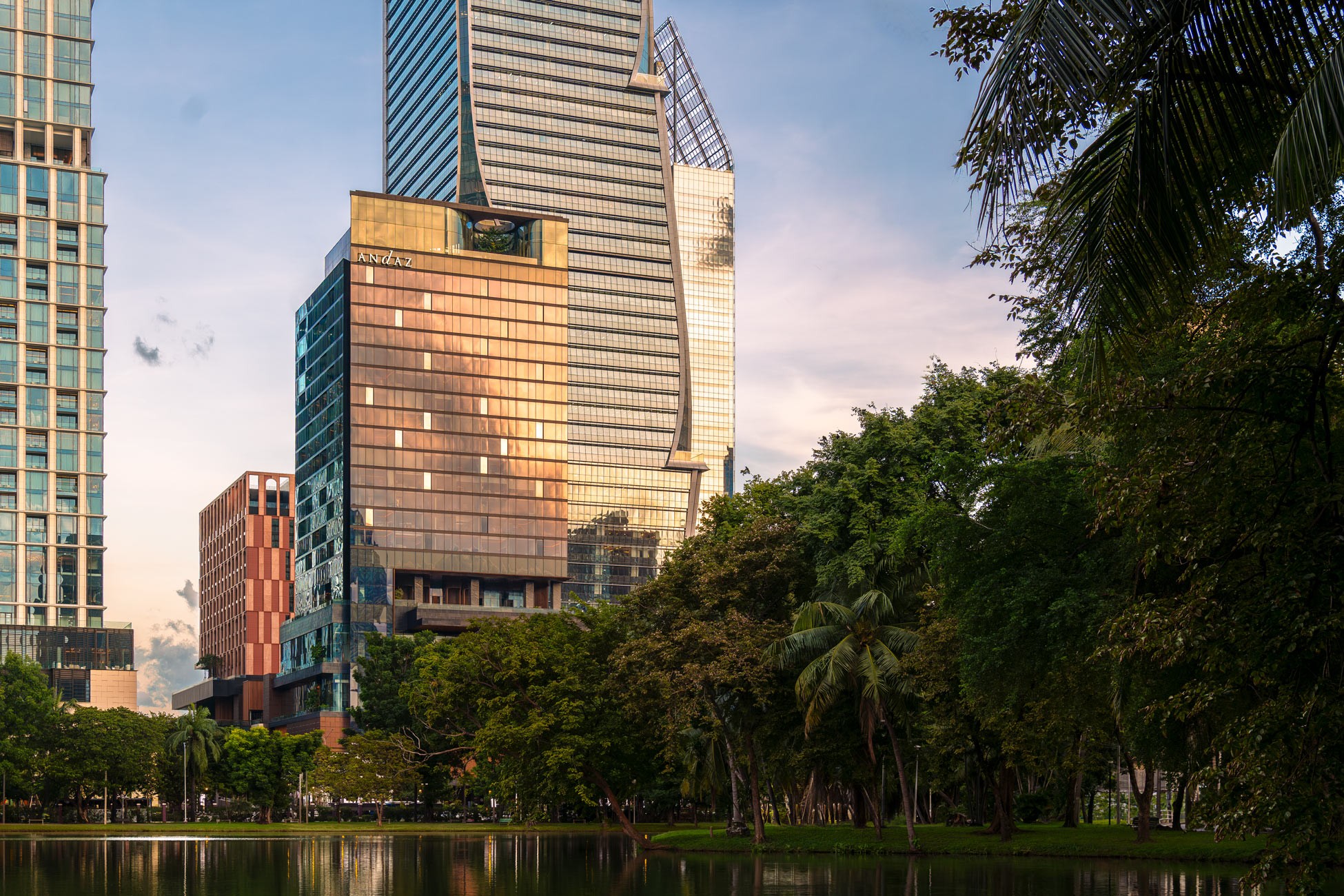
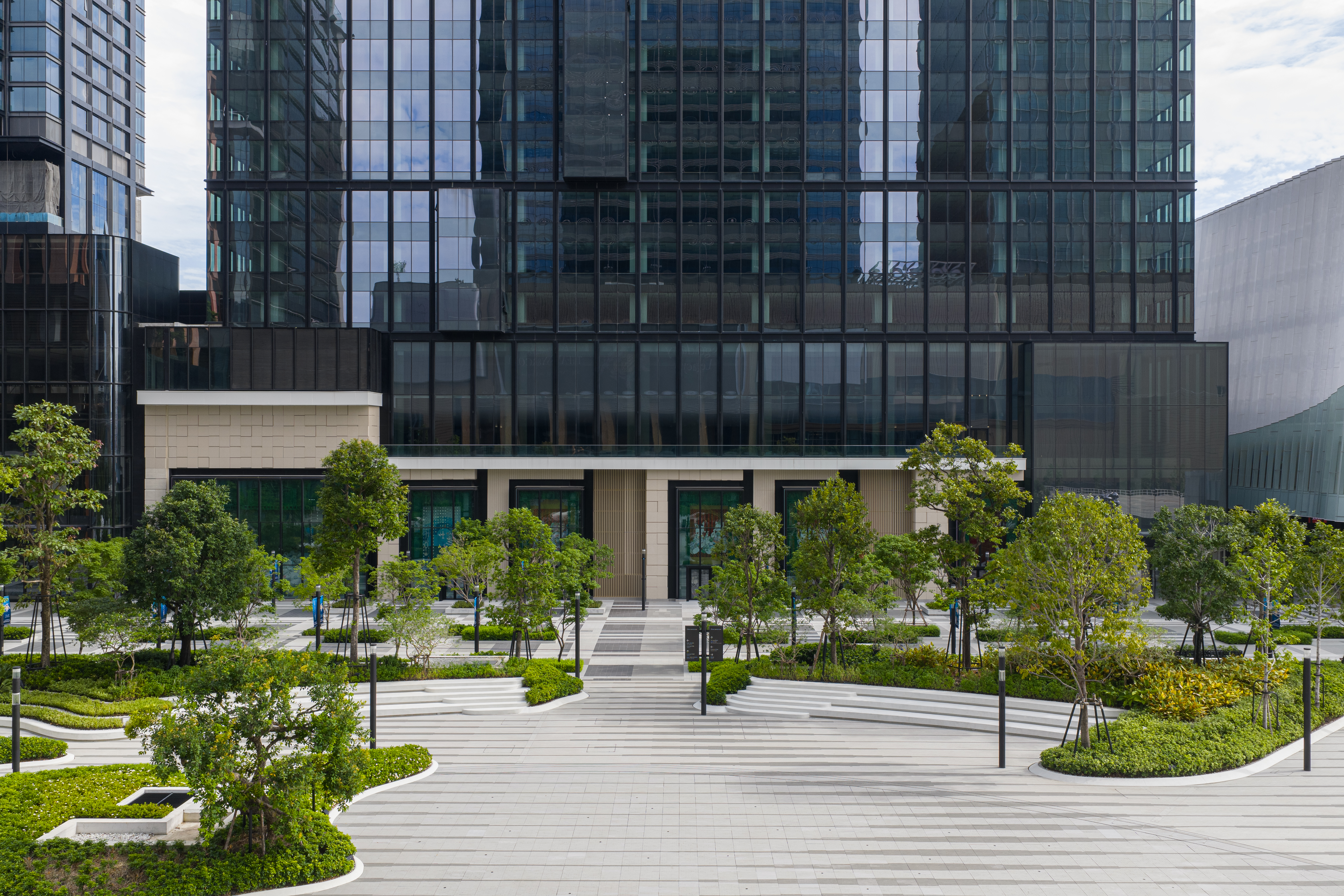
Combating global warming requires a combination of global policy and local action. One Bangkok serves as a prototype for smart and green city development in Bangkok, integrating environmental technology to address the problems of global warming through the following measures:
1. Green Spaces and Sustainable Urban Design
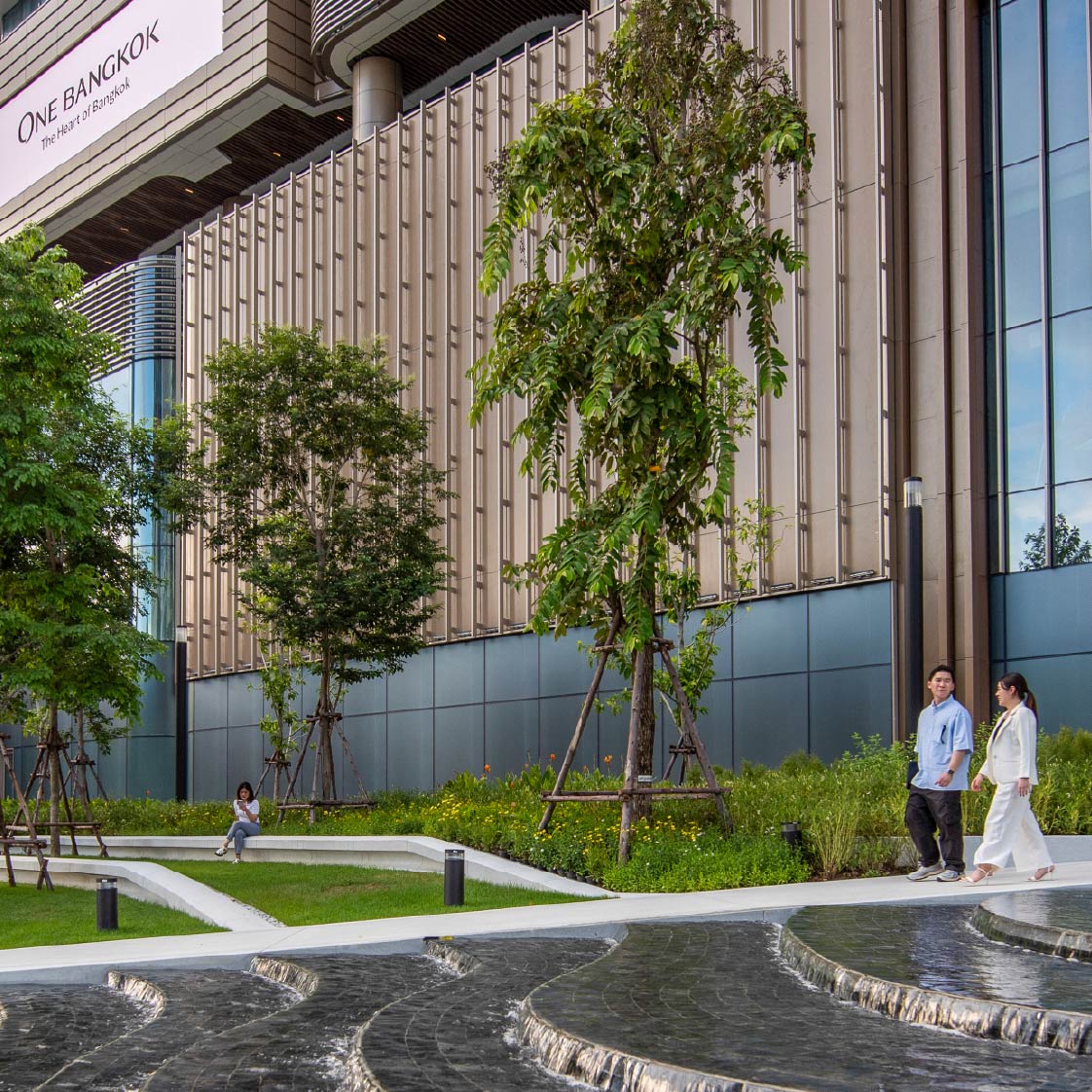
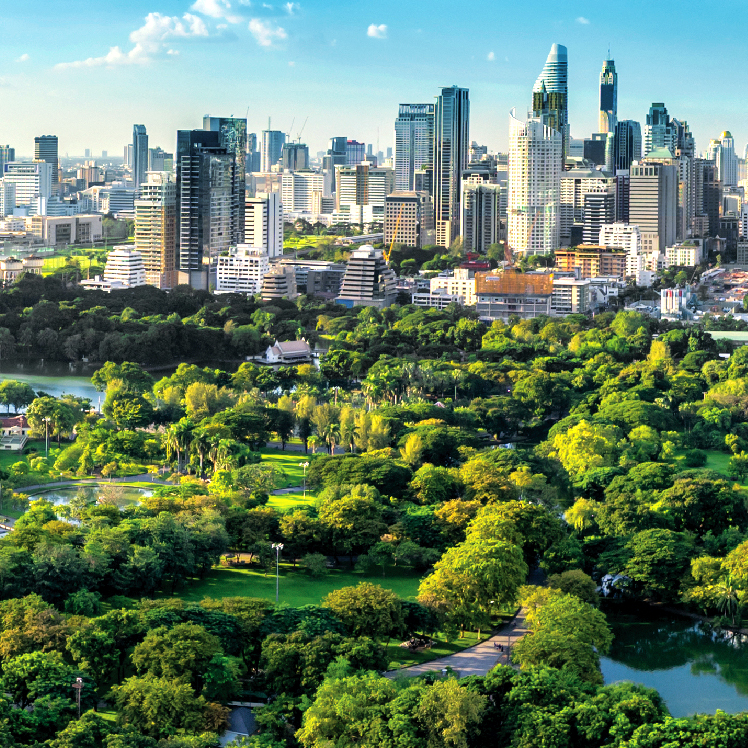
One Bangkok prioritises architectural designs that support the environment and quality of life, allocating significant open areas to serve as "urban lungs."
2. Clean Energy and Smart Technology
To minimise carbon emissions, One Bangkok invests in intelligent energy systems:
3. Water Management and Waste Reduction
Comprehensive resource management is the heart of a sustainable city. One Bangkok has implemented systems designed to maximise the efficiency of resource circulation, reducing the unnecessary consumption of new resources and minimising the volume of waste impacting the environment.
4. Promoting Eco-Friendly Transportation
As transport is a major contributor to global warming in urban areas, One Bangkok promotes alternatives to private car use:
By adopting these strategies, One Bangkok stands as a leading green and smart city prototype, actively reducing the causes and impacts of global warming. Explore the innovations and green spaces of the smart and sustainable city One Bangkok today.
Reference:
Energy Management System: EMS. Retrieved on 8 December 2568 from https://thai-smartgrid.com/เกี่ยวกับสมาร์ทกริด/tech-basic-related-smartgrid/ems/
FAQ
Frequently Asked Questions about Global Warming
Q: How does global warming affect health?
A: It increases the risk of heat-related illnesses such as heatstroke and worsens air pollution, which impacts the respiratory system.
Q: What are the environmental impacts of global warming?
A: Rising temperatures cause heatwaves, storms, droughts, wildfires, coral bleaching, and the extinction of certain species.
Q: Why does global warming impact the economy and society?
A: Droughts and disasters destroy agricultural output and infrastructure, making daily life difficult and requiring massive recovery funds.
Q: Besides CO2 reduction, how do green spaces in Bangkok help?
A: They mitigate the "Urban Heat Island Effect" through plant transpiration, which can lower surrounding temperatures by several degrees, thereby indirectly reducing energy demand for air conditioning.
Tag
SHARE

Another Premium Development by





Another Premium Development by