22 Dec 2025

In large cities, pollution, PM2.5 dust, and rising temperatures are constant challenges. “Green spaces” have therefore become a vital component in restoring the quality of urban life. They are not only for beauty or relaxation but also play a significant role in helping absorb carbon dioxide (CO₂), one of the leading greenhouse gases that greatly impacts global warming.
An intriguing question is: how much CO₂ does one tree absorb? And how much can one tree reduce CO₂ emissions? Let’s find out!
How much CO₂ can one tree absorb?
A mature tree can absorb an average of about 22 kilograms of CO₂ per year. However, this number can vary depending on various factors, such as:
On average, one tree can reduce CO₂ by about 20-25 kilograms per year. While this may seem small, imagine the impact if we had thousands of trees or entire forests. The numbers would multiply, making a substantial contribution to reducing greenhouse gases.
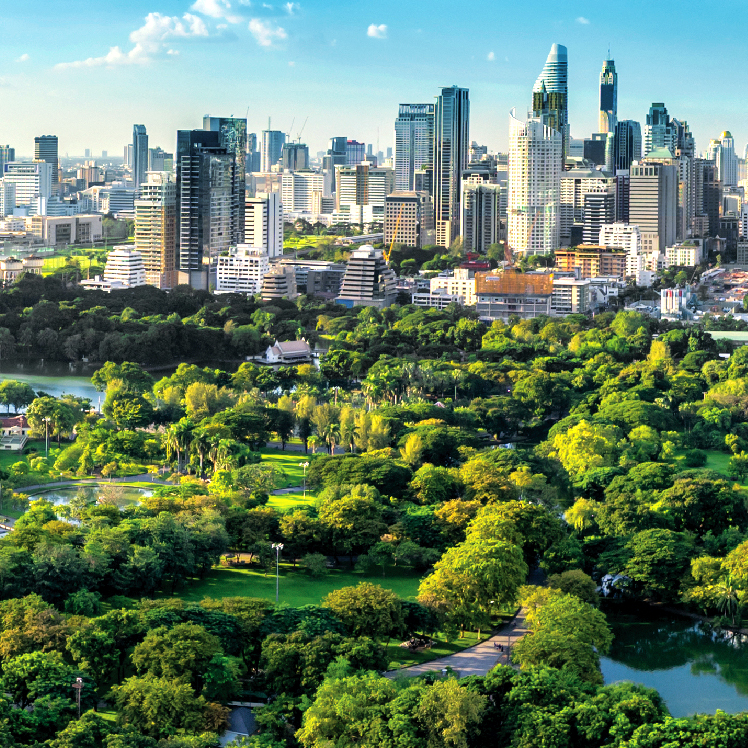
How much green space does Bangkok have?
The total green space in Bangkok is approximately 25,893 rai, or about 7.49 square meters per person (as of 2022). Compared to the World Health Organization (WHO) standard, which recommends at least 9 square meters of green space per person, Bangkok still falls short of this target.
To address this, Bangkok has launched the Green Bangkok 2030 project, first introduced in December 2019, with a goal to increase the city’s green space to at least 10 square meters per person by 2030. This will significantly improve the quality of life for Bangkok residents.
Let’s calculate how much CO₂ Bangkok’s green spaces can absorb
To better illustrate, let’s work out a simple calculation based on the above data.
Assuming there are approximately 100 mature trees in one rai (a rough estimate based on densely planted public parks), we can calculate as follows:
25,893 rai × 100 trees = 2,589,300 trees
One tree absorbs 22 kilograms of CO₂ per year.
Therefore, the total amount of CO₂ absorbed by these trees is: 2,589,300 × 22 = 56,964,600 kilograms per year, or approximately 56,965 tonnes of CO₂ annually.
This figure is significant and highlights that green spaces and open areas are not only about beauty or leisure but also play an essential role in a city’s response to environmental challenges.
One Bangkok and the Concept of a Green City
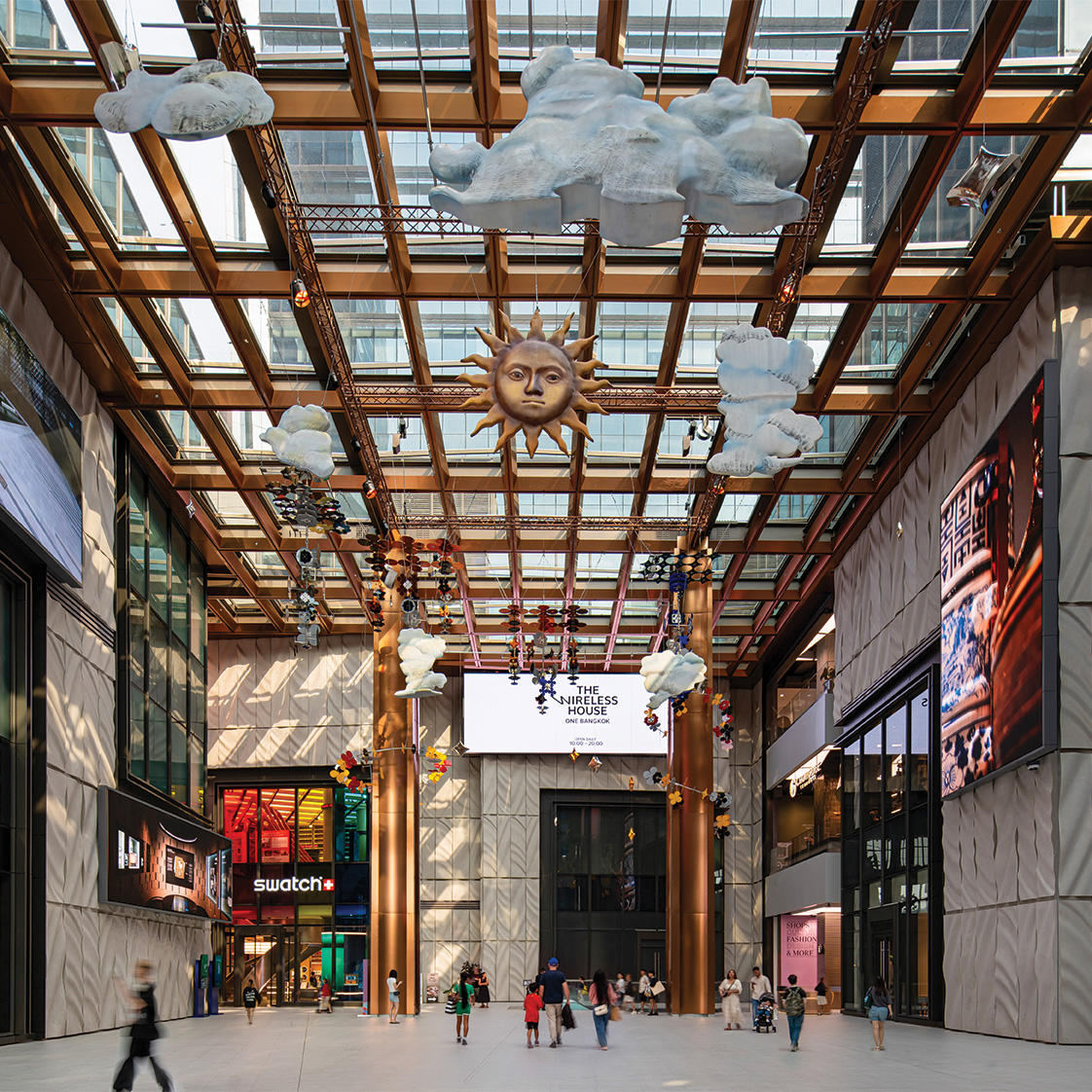
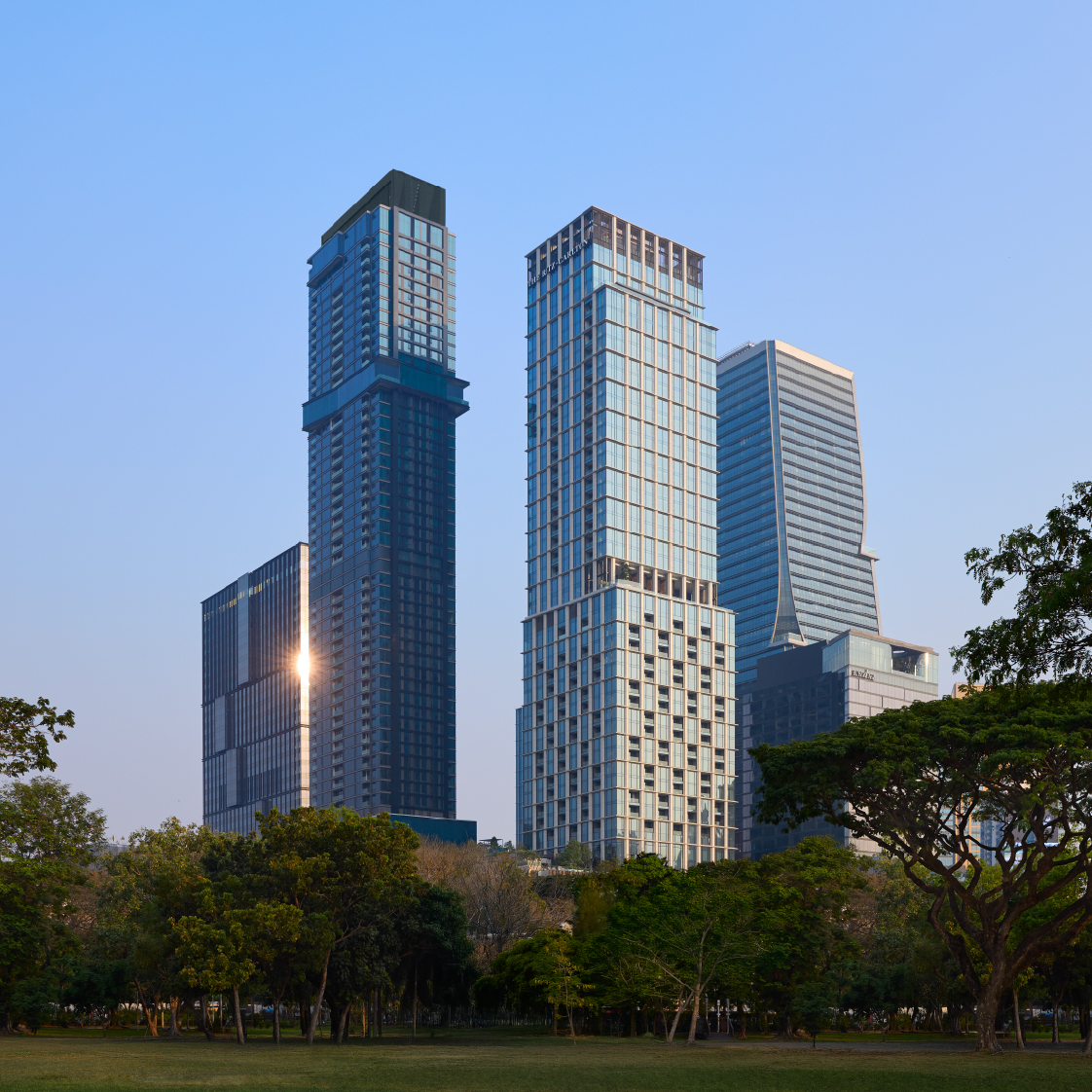
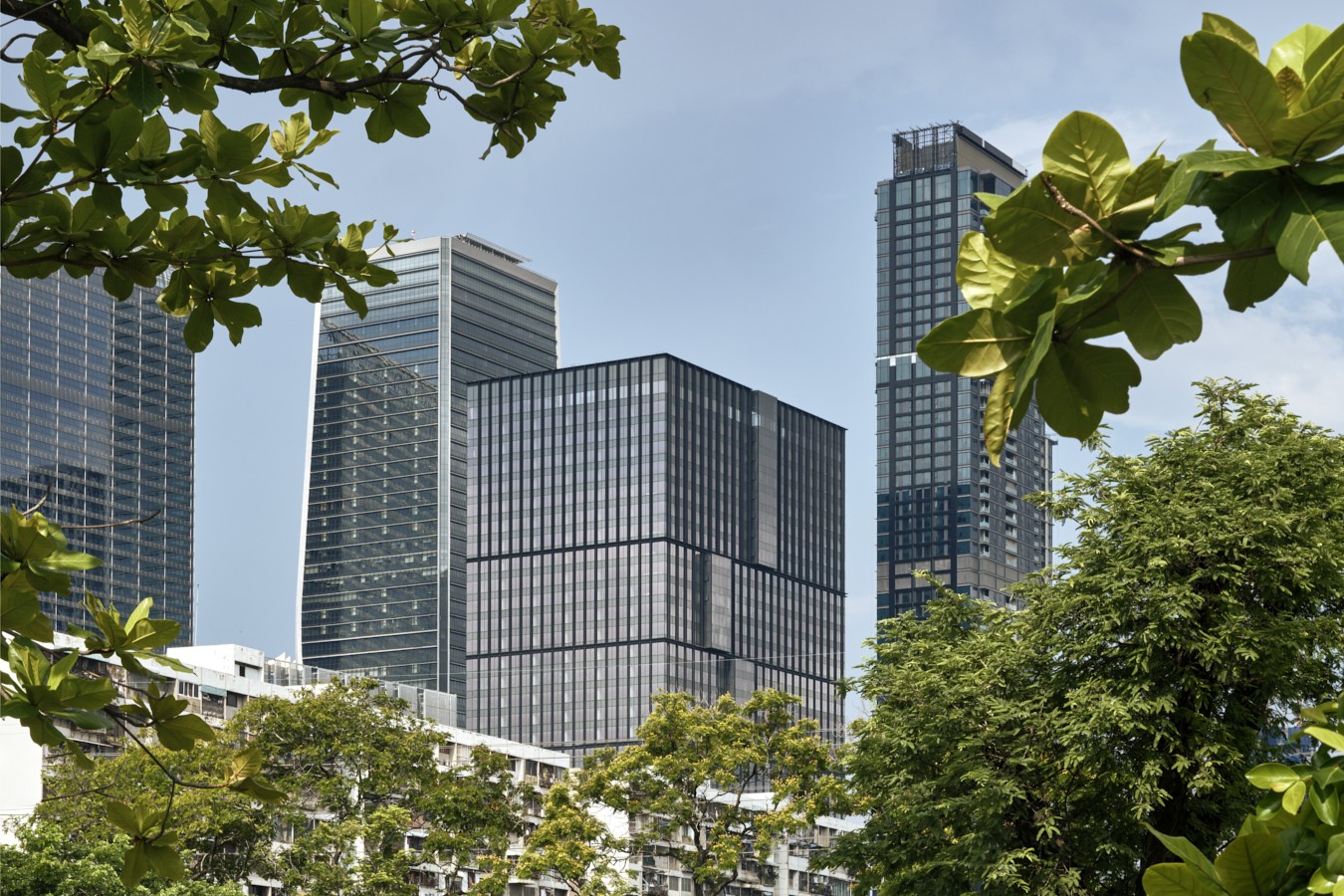
In an era where people are looking for a balanced lifestyle alongside urban living, many large-scale real estate developments have started to emphasise open spaces and green areas. One of these is One Bangkok urban park, located in the heart of the CBD in the Wireless-Rama IV area.
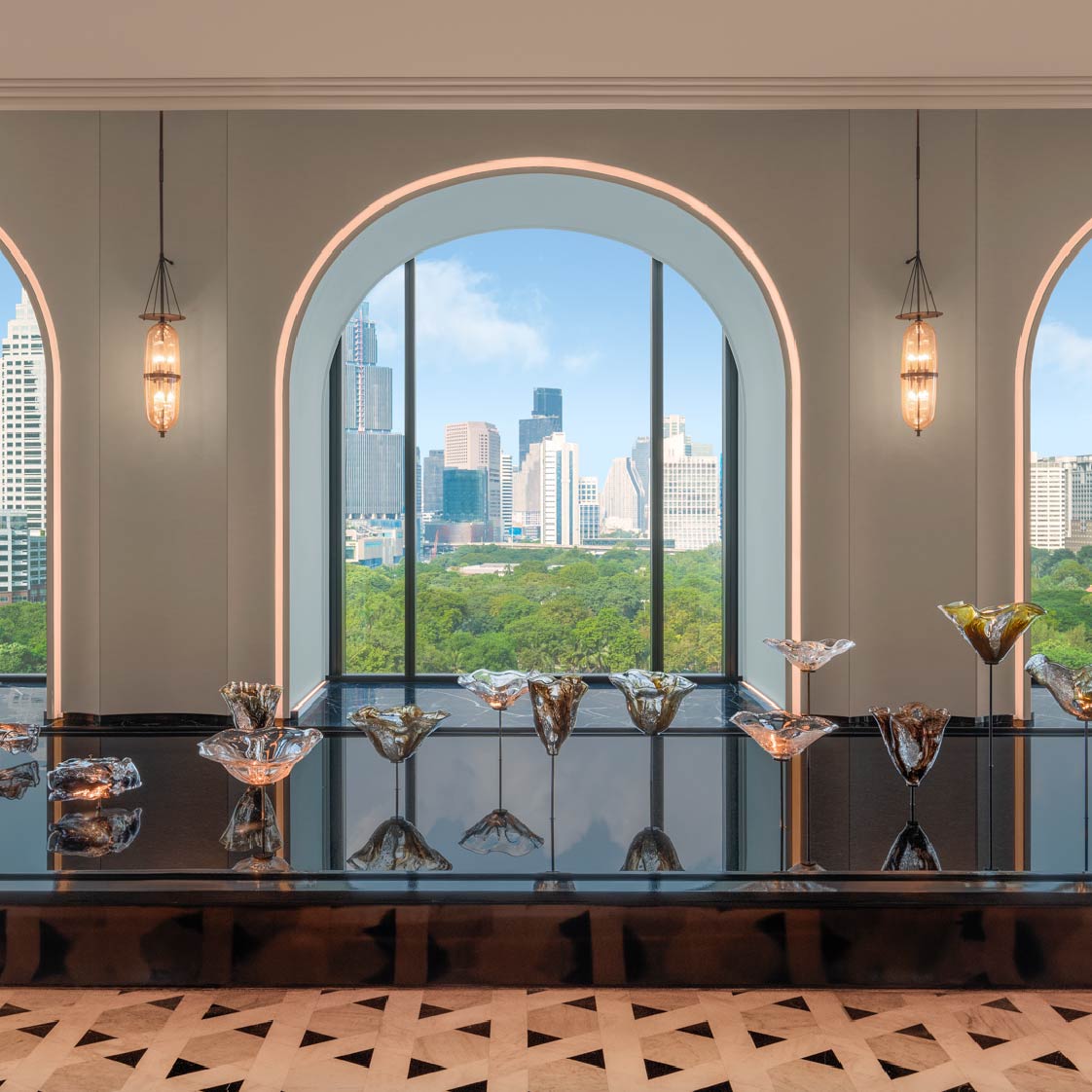
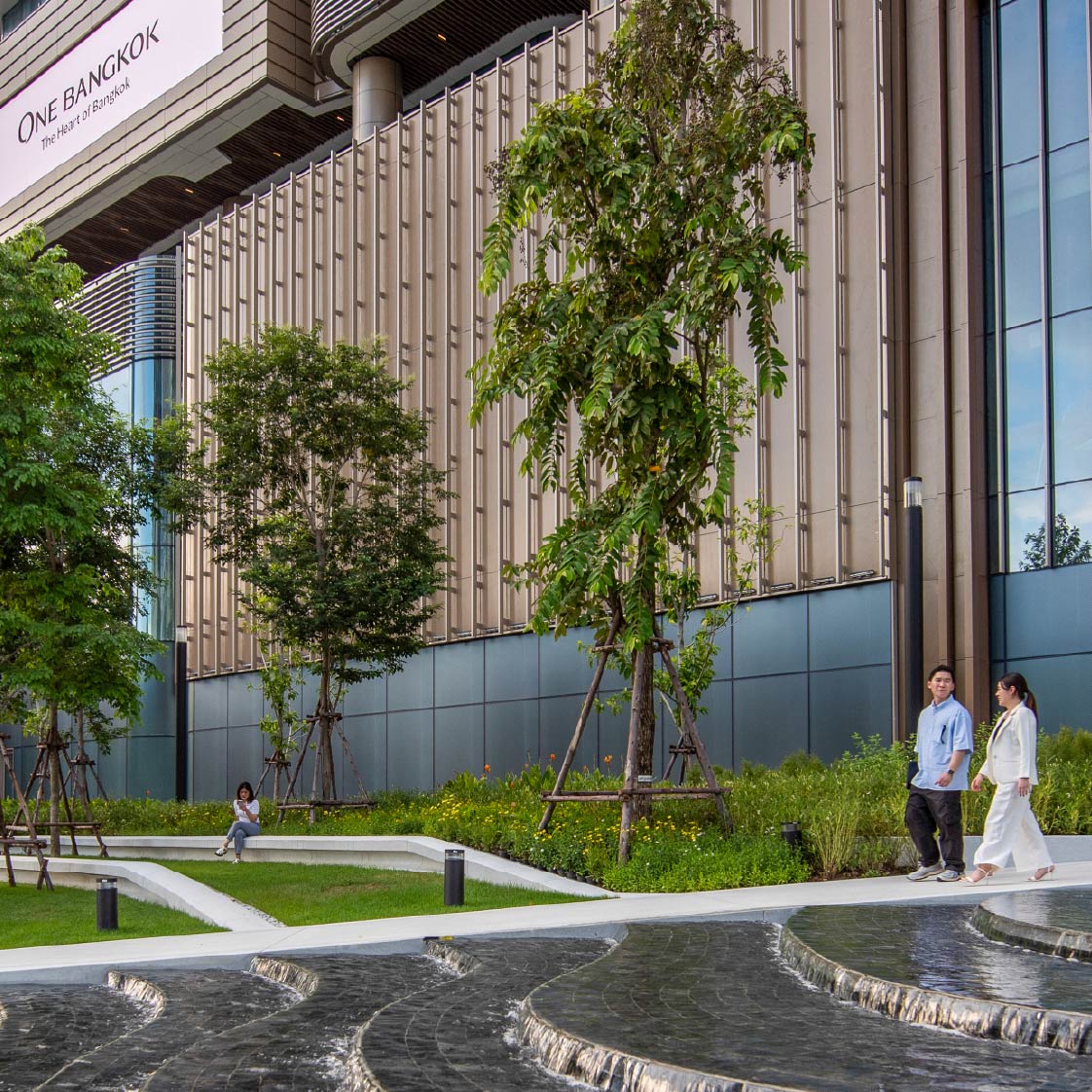
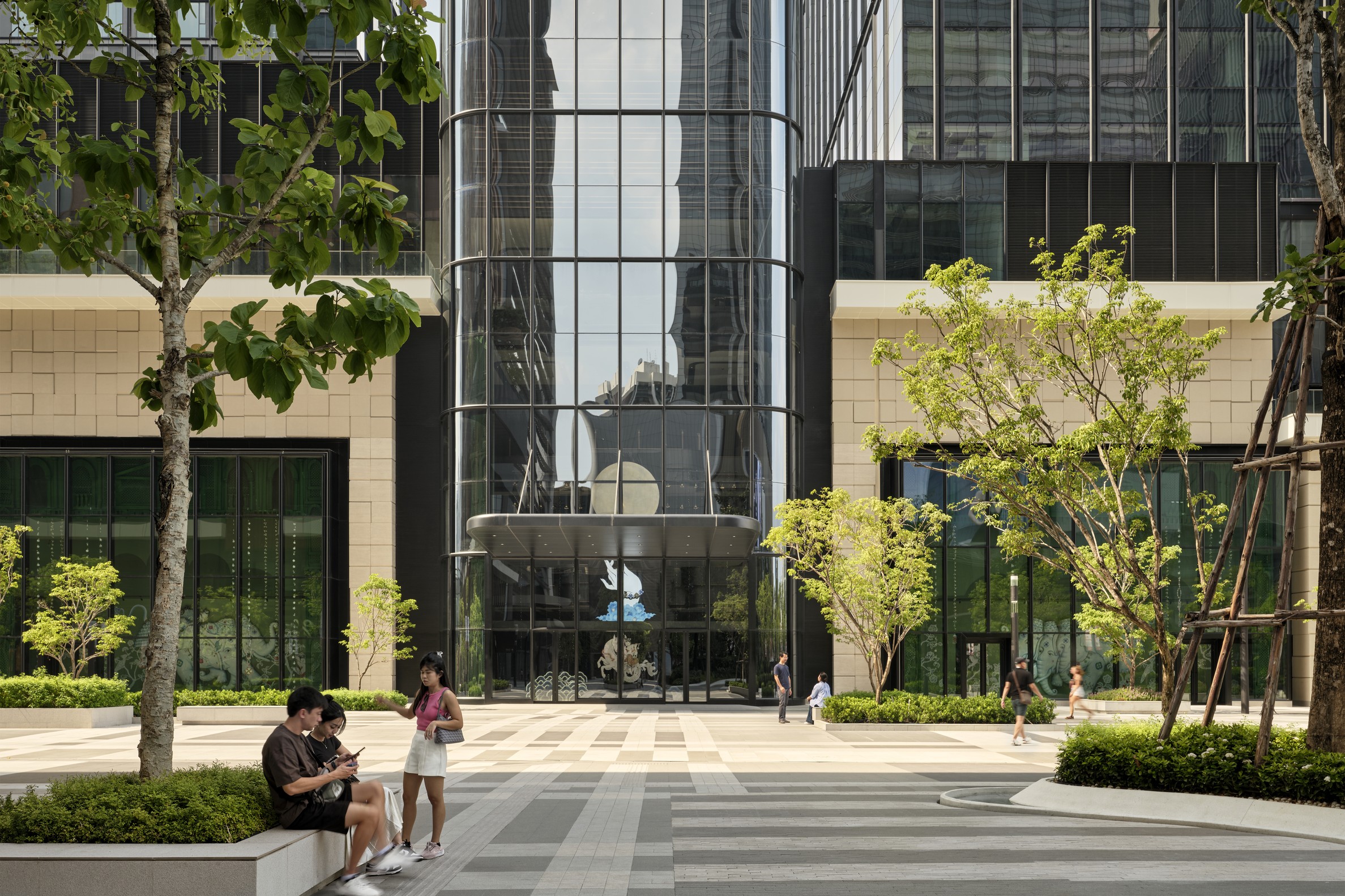
With the vision of being a city of the future, conducive to quality living and environmentally friendly, One Bangkok has designed its buildings surrounded by over 50 rai of green space. This helps bring life back to a city full of high-rise buildings, lowers the surrounding temperature, and improves air quality.
The pedestrian walkways within One Bangkok have been designed to be accessible for all users, with ramps and wide walkways that ensure safe and easy walking. All areas are seamlessly connected, making it effortless and enjoyable to walk within One Bangkok. This design also contributes to reducing short-term car usage, offering an important indirect way of lowering carbon emissions.
Having learned how much carbon dioxide can one tree absorb, and considering the collective power of urban forests or large parks, the total CO2 absorption by one tree can make a significant impact, the result is a cleaner, cooler, and more livable city in every way. This marks an important step in creating a sustainable and livable future for Bangkok.
If you’re looking for a large urban park that truly offers a blend of relaxation and life amidst nature, One Bangkok offers over 50 rai of green spaces and open areas in the heart of Bangkok, integrated with sustainable urban development principles. It’s both a source of air purification and a new destination for urban dwellers seeking closer connections to nature every day. We believe that ultimately, a "great city" is not only built on tall buildings or advanced technology but must also incorporate nature that harmoniously coexists with its people.
References
Tag
SHARE

Another Premium Development by





Another Premium Development by