15 Dec 2025
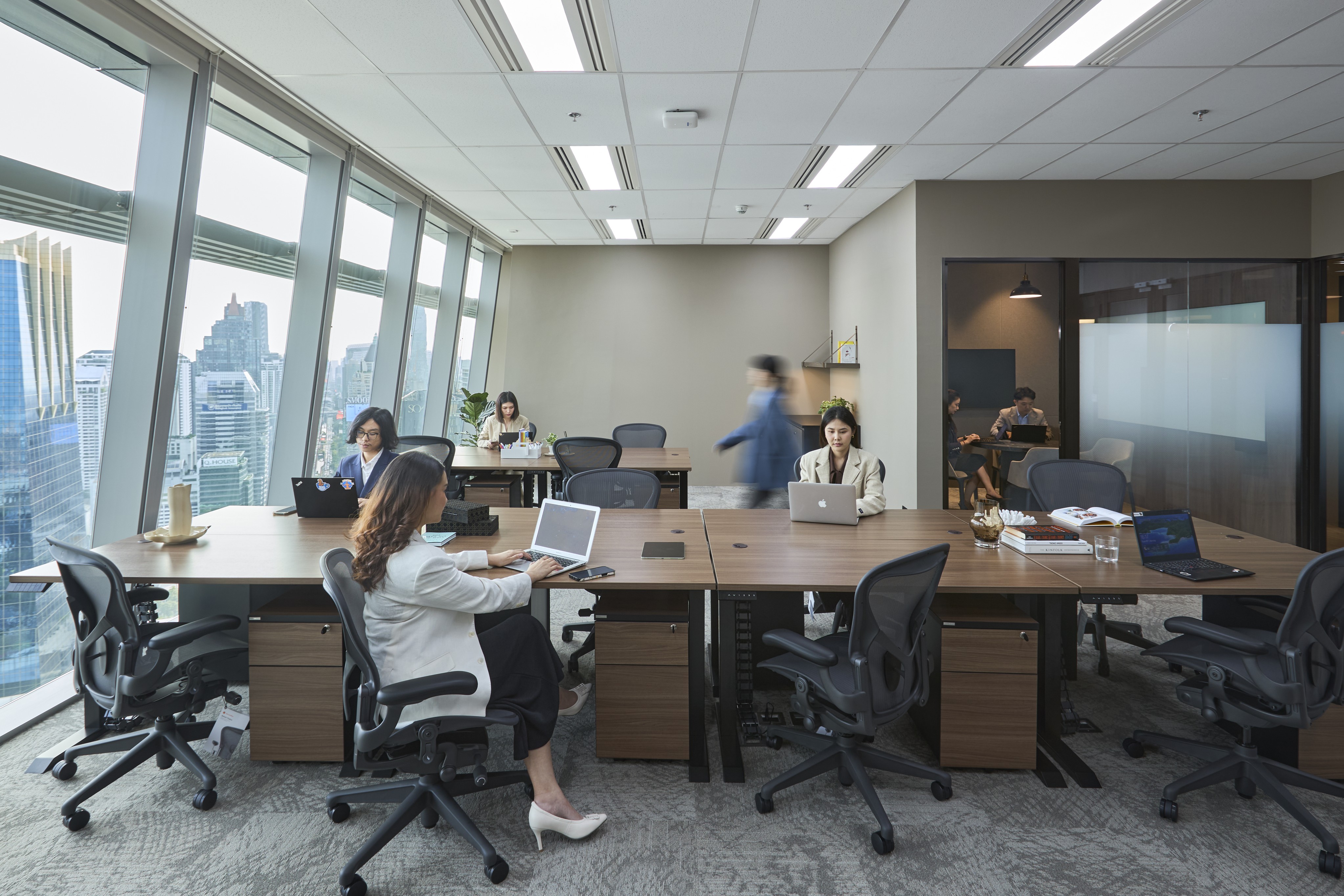
Young professionals today are no longer seeking jobs restricted to fixed desks or traditional working hours. They want flexibility, technology that enhances productivity, and a healthy work–life balance. This shift has paved the way for new ideas in the workplace and the emergence of a modern New Work Mindset.
Organisations that understand these expectations can design working environments where employees feel comfortable, think creatively, and more effectively manage their time. It is not merely about adjusting desks, chairs or working hours – it is about shaping a complete work experience that truly supports their needs.
From seamless collaboration to using smart tools that drive innovation, organisations that recognise and adapt to these changes can create meaningful workplaces where employees feel valued and can sustainably grow alongside the company.
1. New ideas in the workplace
The lifestyle changes and expectations of the new generation have made modern workstyles more diverse and agile than ever. The following innovative work concepts are among the most prominent today:
Flexibility for time and location (Flexible Work)
Flexible Work, or the freedom to choose when and where to work, is a priority for younger employees. They can work from home, cafés, or co-working spaces depending on suitability. This reduces fatigue from commuting, improves concentration, and provides a better personal–work balance. When organisations embrace flexibility, productivity and employee satisfaction rise significantly.
An always-adaptive work mindset (Agile Mindset)
The Agile Mindset, once exclusive to technology teams, has now become a core expectation among young professionals. They are ready to adapt, learn quickly, experiment without fear, and value continuous improvement through regular feedback cycles. Organisations that apply Agile principles can move faster, make data-driven decisions, and encourage more frequent innovation.
Borderless teamwork through digital tools (Digital Collaboration)
Collaboration no longer necessitates being in the same room. Digital tools now allow teams to work together globally – with real-time file sharing, online meeting platforms, and cloud-based project management. These tools enhance speed, transparency, and overall work quality.
Applying these innovative work concepts helps organisations work more efficiently while also fostering creativity and innovation.
2. New generation work attitudes
Beyond new workstyles, the mindset of young professionals has also evolved. Their goals, motivations and expectations are reflected in several key areas:
Valuing learning and professional growth
Young employees prioritise continuous development over job titles. They seek opportunities to upskill, reskill, and progress in their careers. Organisations that offer online courses, internal training, and project-based learning will attract and retain strong talent.
Teamwork over rigid hierarchy
Strict hierarchical structures are seen as barriers. Young professionals prefer workplaces that value collaboration over rank. They appreciate open discussion, mutual support, and spaces where everyone’s voice matters. Reducing hierarchical barriers enables more effective teamwork.
Seeking meaningful, purpose-driven work
Purpose-driven work is essential to the new generation. They want roles aligned with personal values such as sustainability, creativity, or creating a positive impact. This strongly influences motivation, engagement, and workplace happiness.
Being tech-savvy and data-driven
Growing up in the digital era, young employees expect technology to enhance their workflow. They prefer systems that are modern, intuitive and efficient, and they rely on real data to guide decision-making.
Understanding these new generation work attitudes enables organisations to create environments that attract and retain quality talent.
3. How organisations can adapt to the new generation
With a clearer understanding of new workstyles and attitudes, organisations must adjust their management approaches to create suitable working environments. Key strategies include:
Build flexible working environments
Allow employees to choose when and where they work (Hybrid Work, Remote Work, Hot Desk systems). This accommodates diverse lifestyles and increases agility.
Support continuous learning
Provide development programmes such as online courses, internal training, or budgets for learning to help employees grow.
Use technology to streamline operations
Introduce digital tools such as project management platforms, online dashboards or AI systems. These reduce repetitive tasks, enhance accuracy, and improve decision-making.
Promote meaningful organisational values
Define clear values, goals, and culture, so employees feel their work has purpose and contributes to meaningful outcomes.
Creating an environment aligned with these expectations strengthens employee engagement and fosters sustainable performance and innovation.
4. Smart Offices: The future work environment for the new generation
Beyond management practices, the workspace itself plays a crucial role in employee experience. Smart Offices have therefore become essential to support innovative work concepts and new generation work attitudes.
A Smart Office focuses on flexibility, intelligent technology, and seamless collaboration through:
These elements help employees work comfortably, efficiently, and with greater creativity.
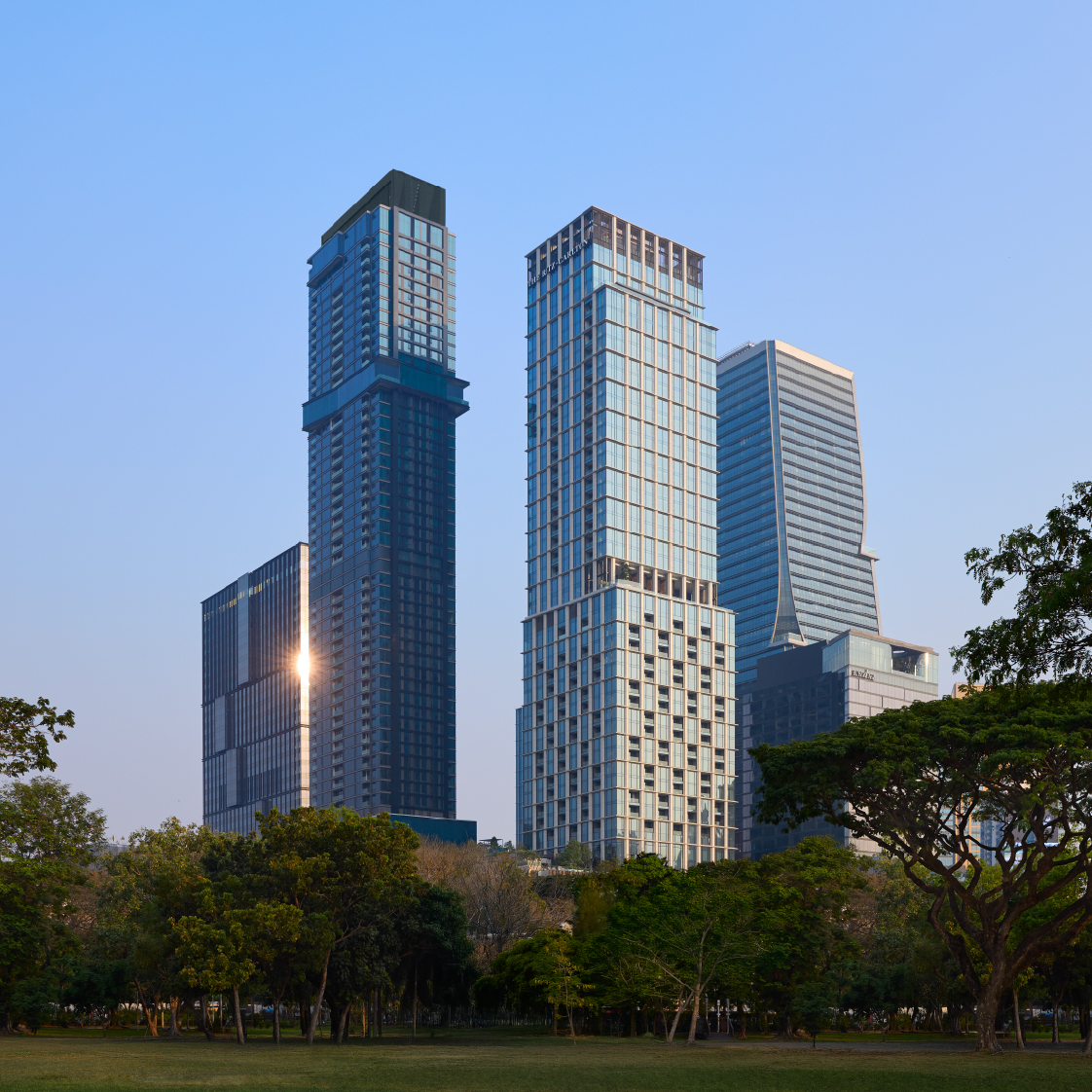
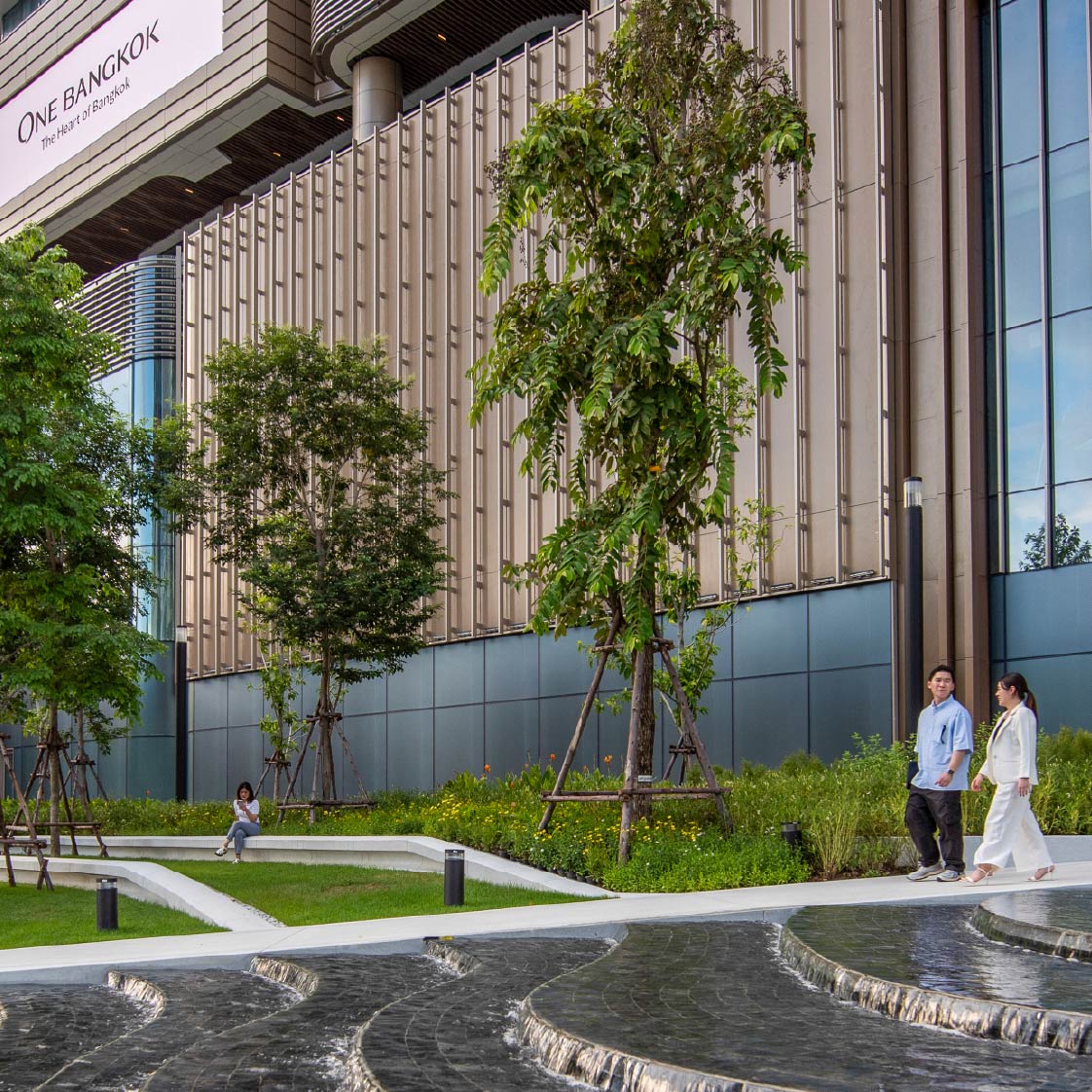
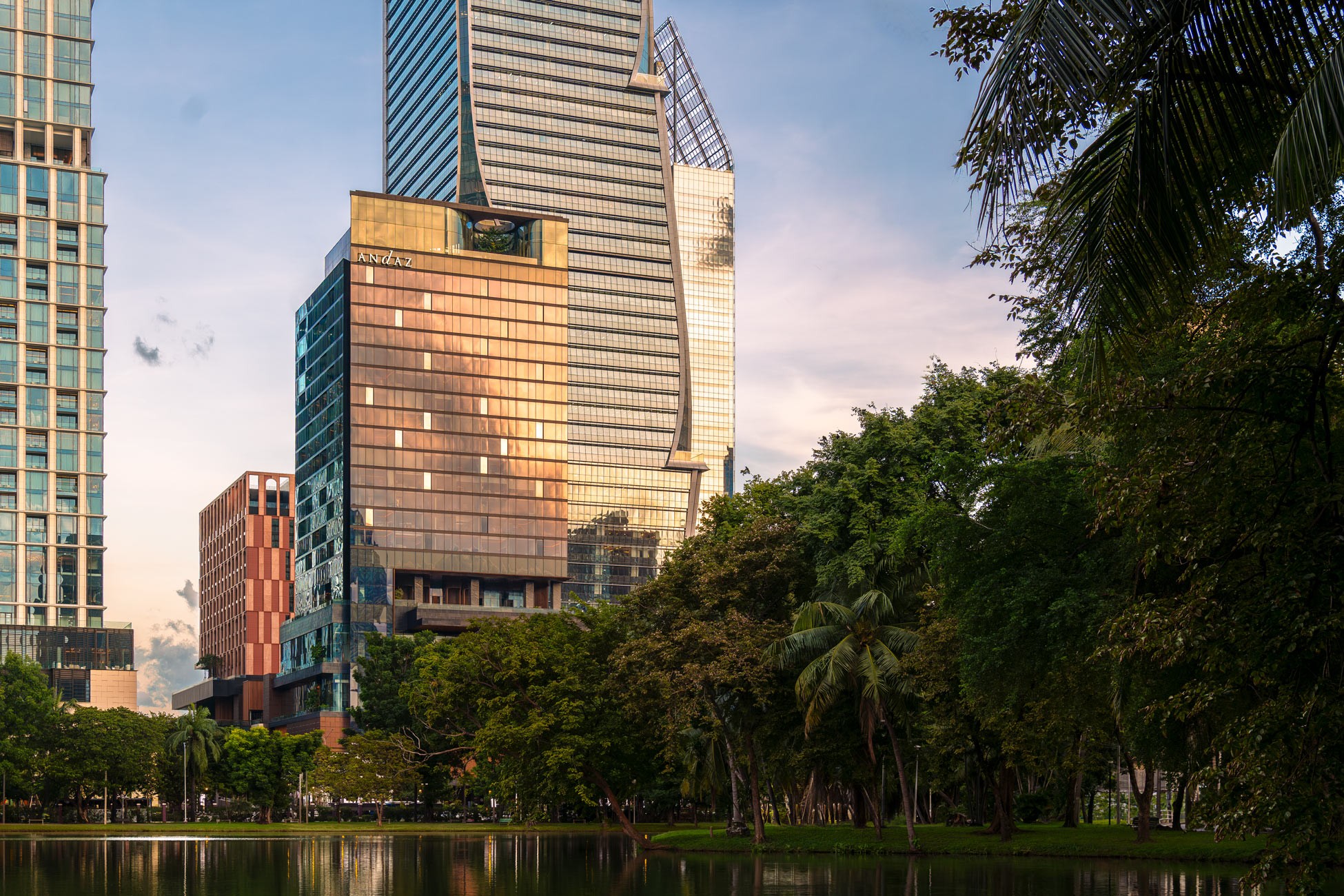
For organisations seeking a future-ready workspace that supports young professionals, the intelligent office buildings at One Bangkok offer the ideal solution. With smart technology and purpose-built working environments, they enhance productivity and enable sustainable innovation.
Enhance your organisation’s work culture with a modern and future-ready environment at One Bangkok Workplace. Discover how a smart, flexible and innovative setting at One Bangkok Office can support productivity, creativity and long-term growth.
References
Half of Gen Z workers want ‘growth mindset’ jobs in AI era. Accessed on 27 November 2025. From https://www.hrdive.com/news/gen-z-workers-want-growth-mindset-jobs-in-ai-era/757365/
Understanding a Changing Workplace: A New Mindset at Work. Accessed on 27 November 2025. From https://www.zenogroup.com/insights/understanding-changing-workplace-new-mindset-work
Understanding New Work: What employees really want and why. Accessed on 27 November 2025. From https://www.teamazing.com/understanding-new-work-employees/
What Does the Workplace of the Future Look Like?. Accessed on 27 November 2025. From https://isg-one.com/articles/what-does-the-workplace-of-the-future-look-like
This Is What The Future Of Work Looks Like And What Your Organization Should Do About It. Accessed on 27 November 2025. From https://jacobm.medium.com/this-is-what-the-future-of-work-looks-like-and-what-your-organization-should-do-about-it-8492937d524d
Tag
SHARE

Another Premium Development by



Another Premium Development by