10 Mar 2026
Key takeaway
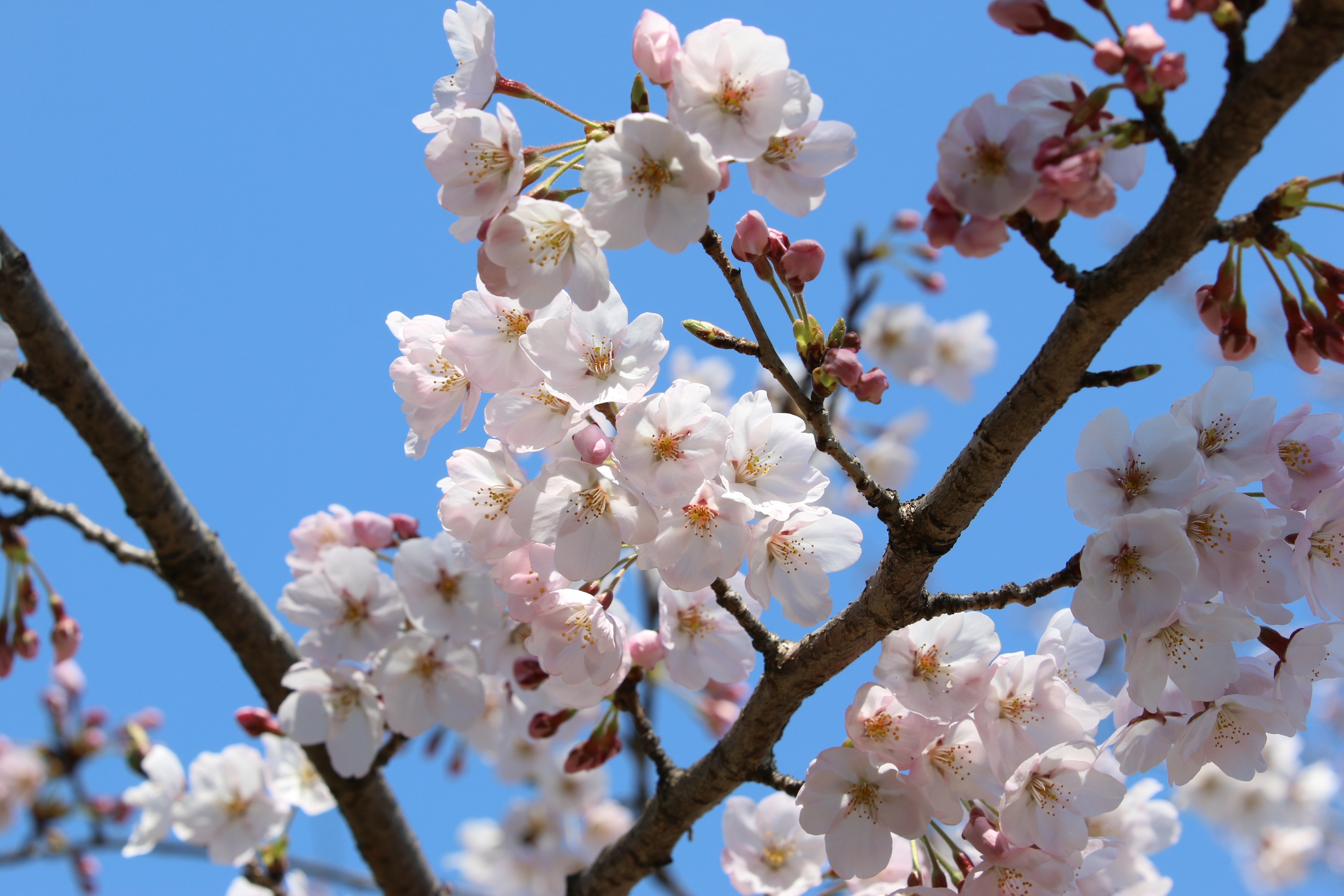
The Ohanami tradition, or cherry blossom viewing, is one of Japan’s most treasured cultural legacies, with a history spanning more than 1,000 years. Its meaning goes far beyond admiring the beauty of nature, as it also represents both new beginnings and hope that arrive with spring. At the heart of the celebration is an awareness of the beauty found in life’s impermanence, since the Sakura blooms brilliantly for only a short period before falling away. Gathering beneath the cherry trees to share tea, auspicious dishes, and meaningful moments serves as a reminder to value the present and make the most of every precious moment with the people who matter most.
Table of Contents
As the chill of winter begins to fade and flowers start to bloom, Japan enters one of the most beautiful times of the year: Ohanami, also known as the cherry blossom viewing season. More than simply a leisure activity or seasonal outing, it is a cultural symbol deeply rooted in the Japanese spirit for over a thousand years.
Ohanami: The History and Meaning Hidden Beneath the Sakura Petals
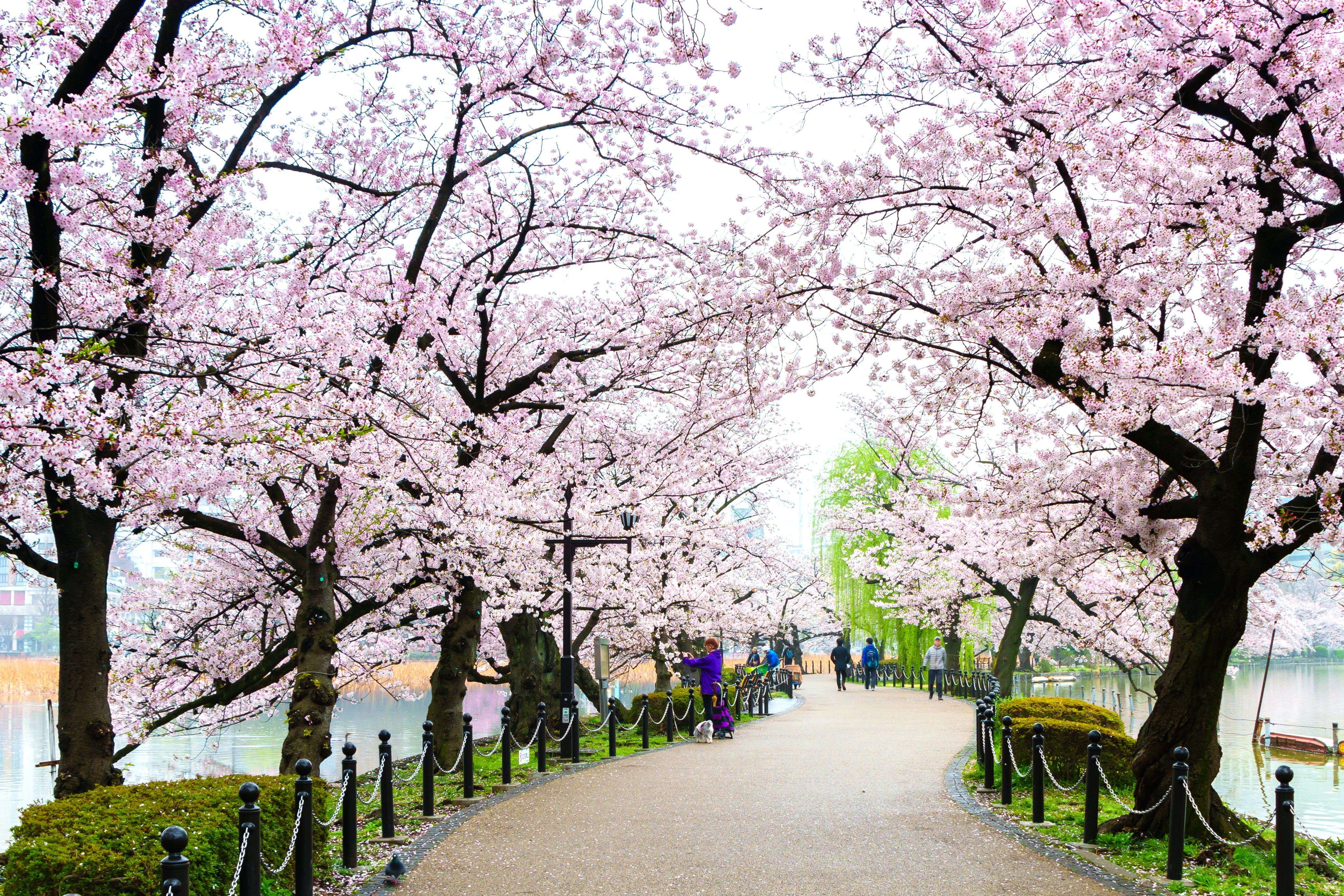
The word Ohanami literally means “flower viewing,” but behind this simple term lies a cultural tradition that has been cherished for more than 1,000 years. The custom began during the Heian period, when the admiring of cherry blossoms was considered a refined pleasure reserved for the imperial court, aristocrats, and poets who would gather beneath blooming sakura branches to appreciate nature, compose poetry, and enjoy fine sake. Over time, this courtly tradition spread beyond the palace grounds to the general public, eventually becoming a national seasonal celebration eagerly awaited every year.
For Japanese people, the cherry blossom viewing tradition is not merely about sitting beneath a canopy of pink blossoms. Sakura also holds deep spiritual significance and reflects two important aspects of life:
A Symbol of New Beginnings
In Japanese culture, spring, together with the blooming of the Sakura, marks the official start of many things. It signals the beginning of a new school year, a new corporate fiscal year, and often new roles or life transitions. The Sakura therefore represents the image of starting a new chapter in life filled with hope, energy, and brightness.
The Philosophy of “Mono no Aware” : Beauty in Impermanence
The deepest meaning of cherry blossom viewing lies in the philosophy known as Mono no Aware, the awareness that beauty is often fleeting. Sakura blossoms reach full bloom for only one to two weeks before being scattered by the wind. This brief moment reminds us to appreciate the present. As a result, the Ohanami festival is not just about eating and drinking; it is about spending meaningful time with family and loved ones, creating memories together before the scene inevitably changes.
For this reason, the Sakura festival is filled with emotion: the joy of a new beginning and a quiet appreciation for the value of time. This is what gives the tradition its enduring charm and why people around the world continue to fall in love with it.
OHANAMI at Mitsukoshi Depachika: Bringing the Cherry Blossom Festival Up Close
If you dream of experiencing an authentic cherry blossom celebration without flying all the way to Japan, Mitsukoshi Depachika at One Bangkok is bringing that atmosphere closer than ever in 2026. Under the Ohanami festival campaign, the event runs from 1-25 March 2026, recreating the beauty of Japanese flower viewing right in the city.
The event is filled with the spirit of spring and special highlights that lovers of Japanese culture should not miss
In addition, one of the cultural experiences most closely associated with cherry blossom viewing is Japan’s tea-drinking tradition. Mitsukoshi Depachika will host a Green Tea Fair from 5–25 March 2026, gathering rare and legendary matcha brands in one place. Two standout matcha names include
Interesting fact: A 10th Dan Tea Master is the highest possible rank for a tea appraiser in Japan. It is the most difficult and most prestigious level in the field. At present, only 23 people in the whole country have reached this rank. A Tea Master at this level must have extraordinary sensory precision, capable of identifying tea-growing regions, cultivars, and harvest timing simply by looking, smelling, or tasting. They must also master the art of blending tea leaves from different sources to achieve the most balanced and refined flavour possible. |
Special Menu Offerings to Welcome Spring
Beyond the beauty of the blossoms, spring is also a season of delicious flavours. Discover limited-time menu items created especially for the Ohanami season
This spring, new beginnings can be filled with joy and auspicious moments. Come and experience the spirit of Japan and continue this beautiful tradition at the Ohanami festival at Mitsukoshi Depachika, B1 Floor, Parade Zone, One Bangkok.
Celebrate the season at One Bangkok and discover how a thoughtfully curated One Bangkok Community Hub can become a true Community Center in Bangkok, bringing culture, taste, and seasonal beauty together in one unforgettable destination.
FAQ Frequently Asked Questions about the Cherry Blossom Festival (FAQs) Q: When did Ohanami begin, and why is it important? A: The Japanese cherry blossom viewing tradition has a history of more than 1,000 years, beginning in the Heian period. It started as a celebration of spring and became a symbol of new beginnings in both education and working life. Q: Where should I go if I want to experience the atmosphere of an Ohanami Festival in Bangkok? A: Mitsukoshi Depachika at One Bangkok is highly recommended. It is hosting the Ohanami Festival campaign from 1-25 March 2026, featuring real Sakura branches, wagashi, and exclusive spring menu items. Q: What are the must-see highlights of the cherry blossom festival? A: One of the main highlights is sitting beneath the blossoms while enjoying auspicious seasonal foods such as Ohanami Bento, dango, or Sakura mochi, paired with premium matcha green tea. Together, these create a festive yet relaxing atmosphere that perfectly captures the spirit of the season. |
Tag
SHARE

Another Premium Development by





Another Premium Development by