15 Dec 2025

If you look around, you will find that art is everywhere. From paintings hanging in galleries and sculptures displayed in public parks to the patterns printed on the coffee cup in your hand, each piece is the result of creativity and craftsmanship. Yet many people often wonder how many types of art exist and what makes each category different.
Why Should We Understand the Different Types of Art?
Art has always served as a powerful human tool for communication, emotional expression, and storytelling, from ancient times to the present day. Gaining an understanding of the various types of art helps broaden our perspective and allows us to better appreciate the meaning, origins, and creative intentions behind each artwork.
Beyond that, recognising different types of art enhances our appreciation. For instance, when looking at a painting, we may no longer focus only on colour or technique. Instead, we gain insight into the emotions, intentions, and conceptual thinking behind the work. Such understanding can inspire people to create their own artistic works, whether for personal fulfilment or commercial development.
How Many Types of Art Are There? Exploring Artistic Diversity and Understanding the Works
Across the global art industry, artworks are generally divided into two major groups. These are Fine Art and Applied Art, each carrying distinct purposes and characteristics. Together, they form essential types of art that contribute to beauty, emotional resonance, and everyday function.
Let us take a closer look at what these categories of fine arts and applied arts include and why each one is fascinating.
1. Fine Art Expression of Beauty and Emotional Communication
Fine art comes from the word “Fine”, referring to beauty, refinement, and artistic mastery. This branch of art is created primarily to express emotion, convey ideas, and evoke aesthetic appreciation. Fine art focuses on emotional beauty and meaning rather than practical function. It’s one of the most widely recognised types of art, often displayed in museums and exhibition art spaces around the world.
Categories of fine arts include:
- Painting
Painting uses line, colour, light, and shadow to depict stories, emotions, or artistic perspectives. Mediums may include watercolour, oil paint, acrylic, or digital painting. A famous example is Leonardo da Vinci’s Mona Lisa, a global symbol of artistic mastery.
- Sculpture
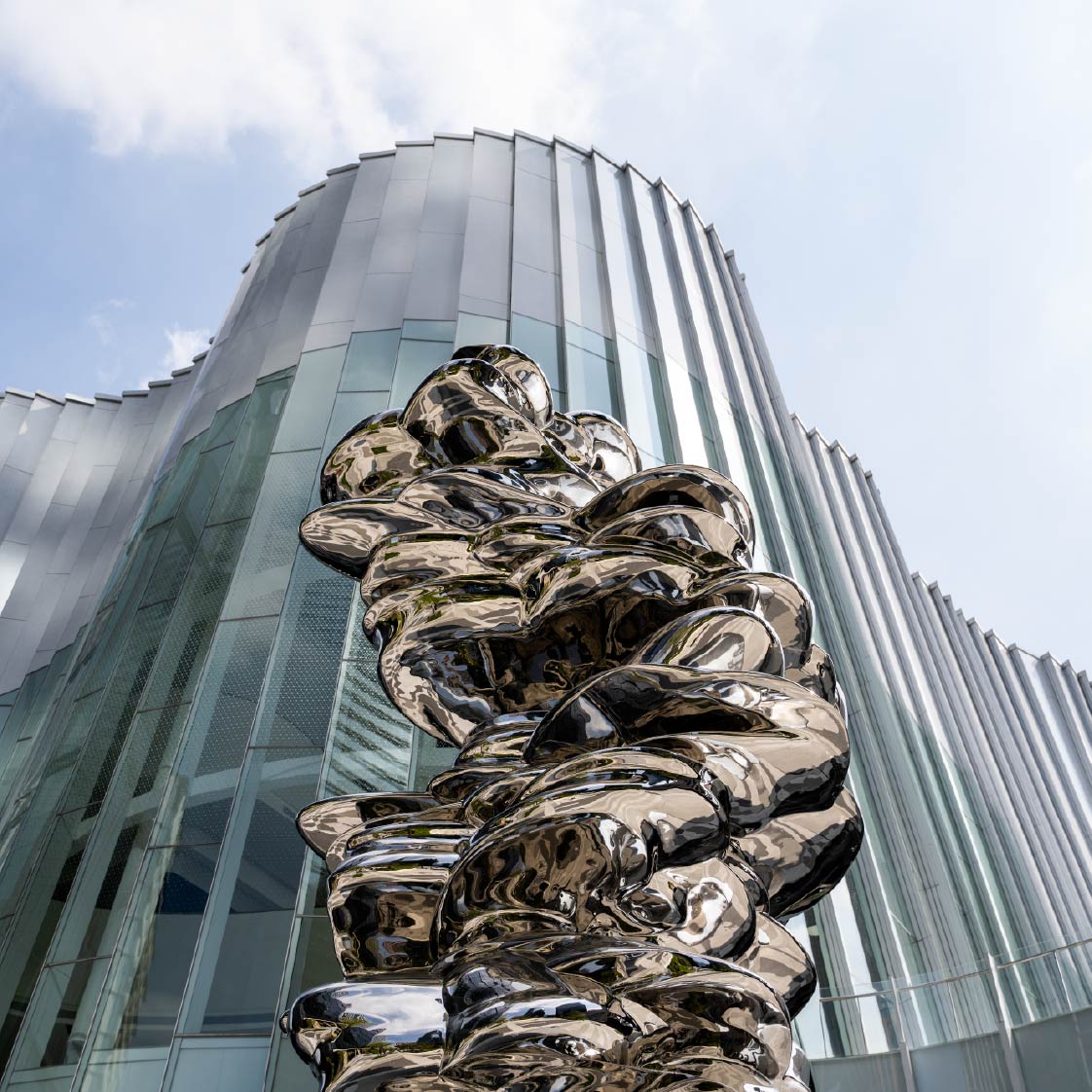
Sculpture is a three-dimensional art form created through shaping, moulding, or carving different materials such as stone, metal, wood, or clay. Michelangelo’s Pietà, known for its emotional depth and refined proportions, demonstrates the power of three-dimensional expression within the types of art.
- Architecture
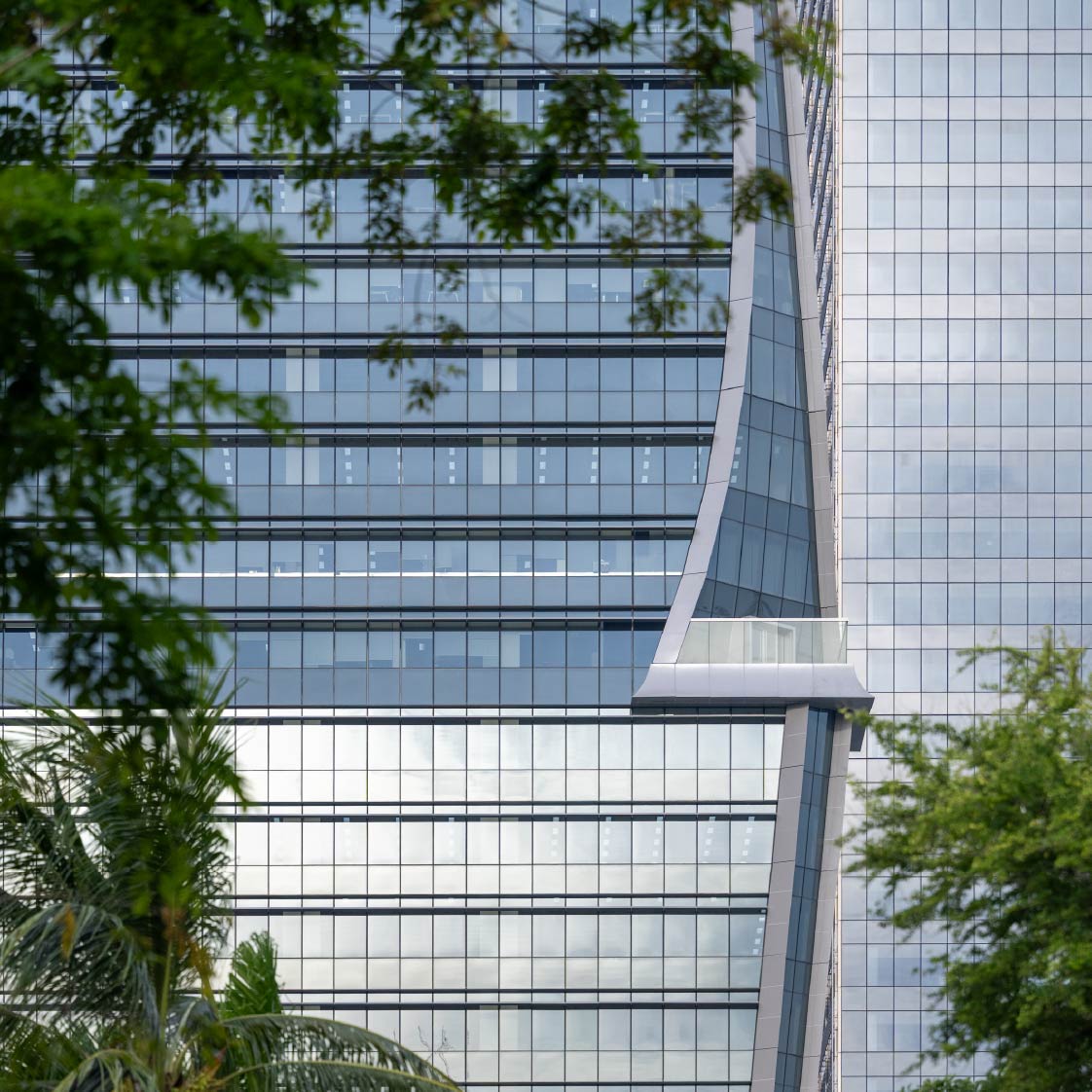
Architecture blends artistry with structural function. It is the design of buildings and spaces that balances beauty and usability. Notre Dame Cathedral in Paris is a classic example, well known for its Gothic form, rose windows, and ornate spires. Architectural works are vital categories of fine arts that reflect cultural identity and history.
- Printmaking
Printmaking involves image creation through printing methods such as wood cutting, engraving, silkscreen, or lithography. One of the most iconic works is The Great Wave off Kanagawa by Katsushika Hokusai, noted for its powerful wave motif and bold blue tones. It is celebrated worldwide as a symbol of Japanese art.
- Mixed Media
Mixed-media art combines multiple materials and techniques, such as wood, paper, metal, plastic, or repurposed everyday objects. Marcel Duchamp’s Fountain, presented using an inverted urinal, challenged conventional definitions of art and reshaped modern artistic understanding.
- Photography
Photography captures images with a camera to convey meaning, mood, or narrative. It can reflect personality, emotion, or significant historical moments. The famous photograph of Einstein sticking out his tongue is a well-known example of expressive imagery.
2. Applied Art Artistic Principles Integrated into Everyday Life
Applied art differs from fine art because it integrates artistic concepts with practical functionality. It enhances everyday objects and environments by blending usefulness with aesthetic value. Applied art represents the types of art that actively interact with daily living.
- Commercial Art
Commercial art supports communication in marketing and branding contexts. It includes logo design, posters, advertising visuals, and digital media. The aim is to blend visual appeal with strategic messaging so that audiences instantly understand the brand or product being presented.
- Decorative Art
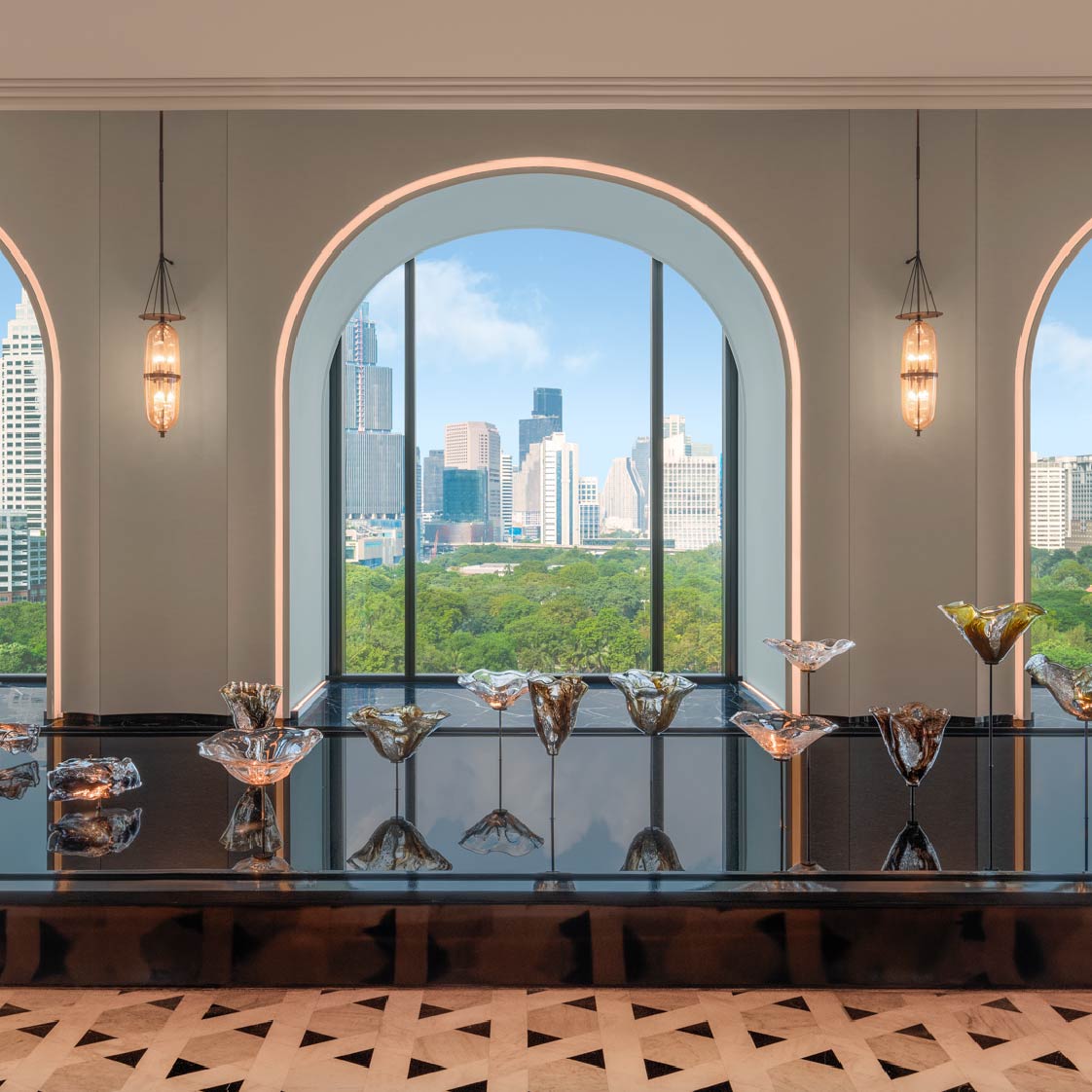
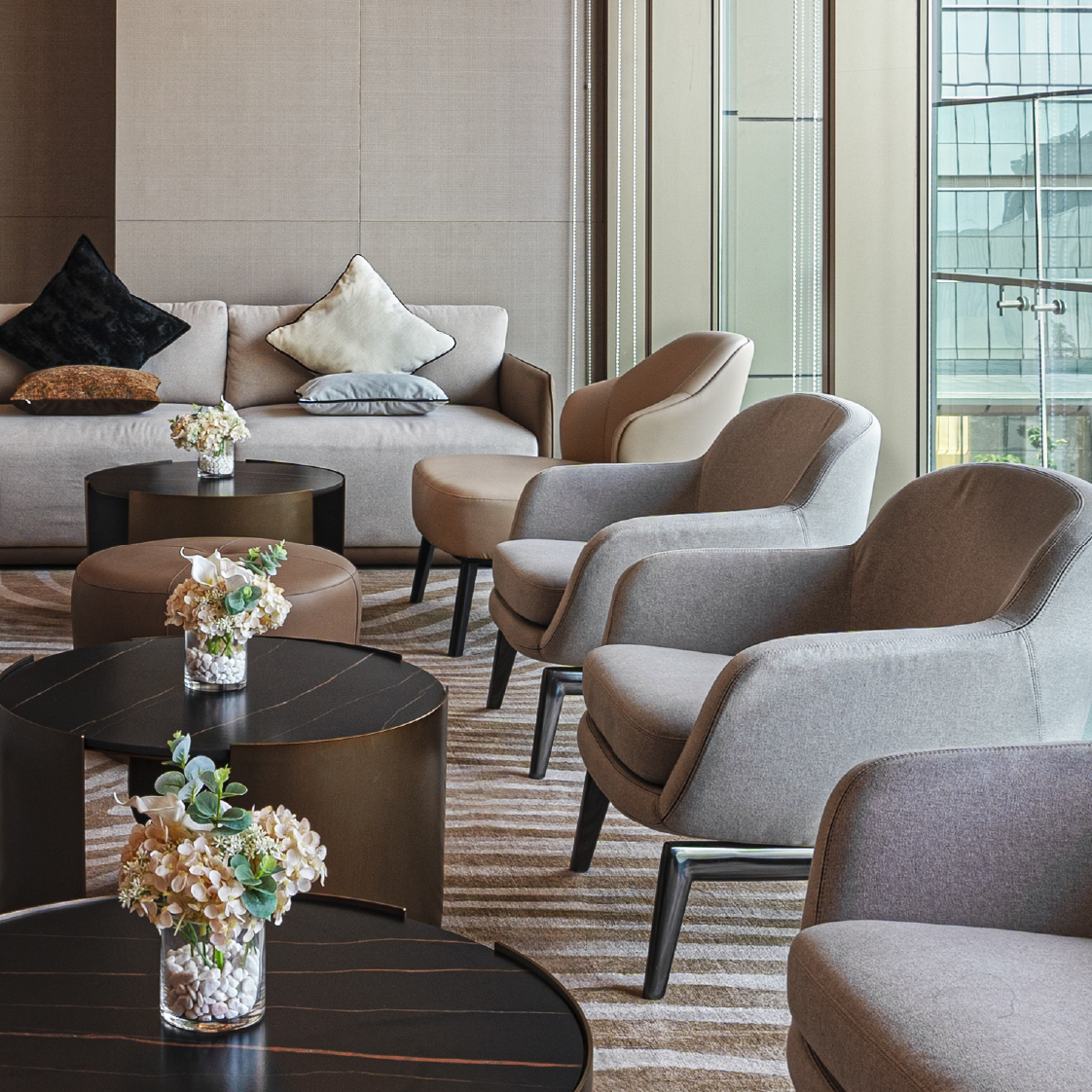
Decorative art focuses on the aesthetics of interior spaces such as homes, condominiums, restaurants, and showrooms. It takes into account how colour, material, lighting, and layout influence atmosphere, including feelings of warmth, luxury, or relaxation.
- Industrial Design
Industrial design applies artistic principles to product creation. It aims to improve usability while maintaining beauty. Examples include packaging, furniture, home appliances, or elegantly styled coffee cups. Designers must consider production feasibility, practicality, and user comfort.
- Handicraft
Handicrafts highlight the maker’s skill and careful craftsmanship, such as doll making, ceramics, weaving, embroidery, or garment construction. Each piece is unique and often reflects local cultural identity, giving handcrafted items emotional and artistic value.
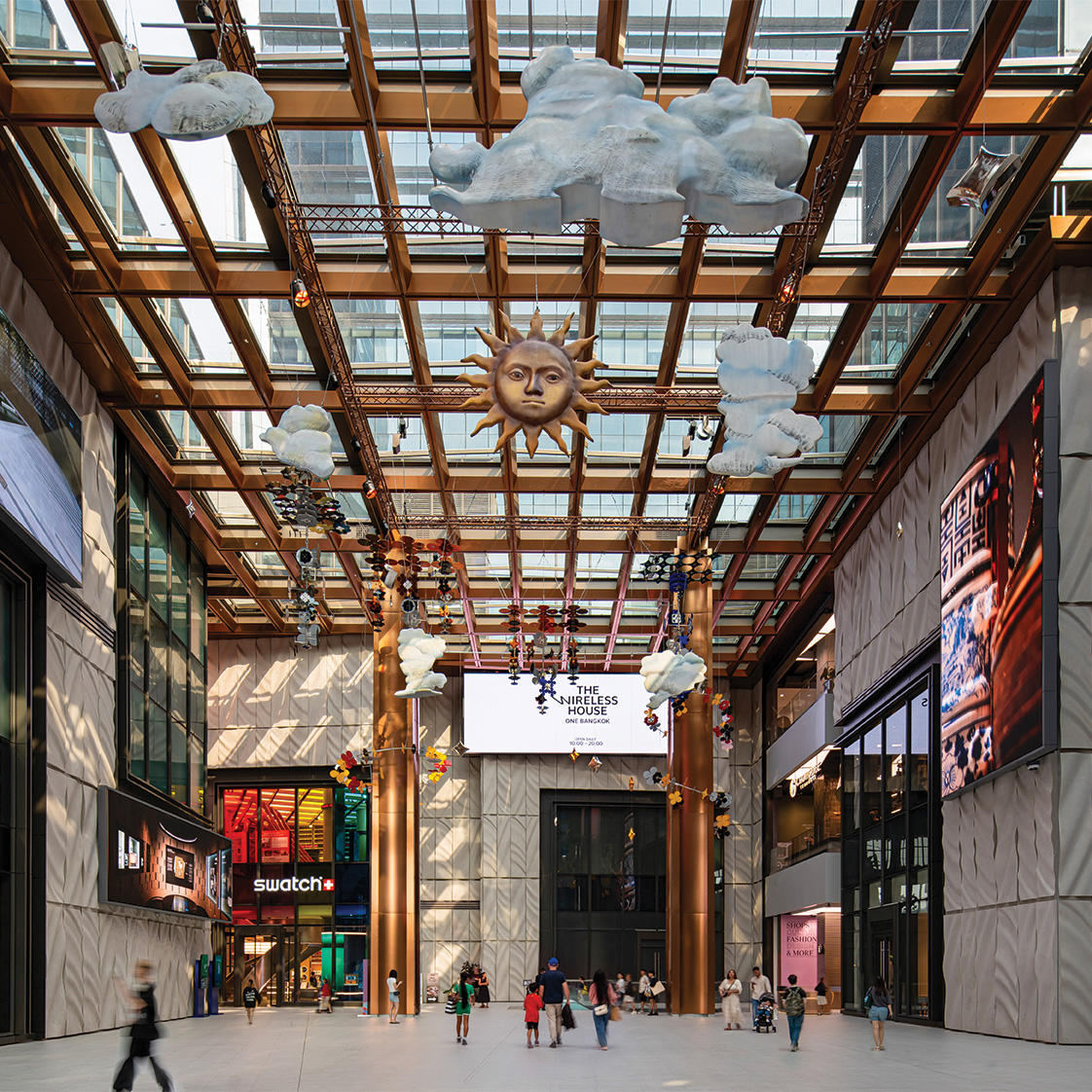
Art and Inspiring Spaces at One Bangkok
Art is a universal language that connects people across generations. Whether it is fine art expressing emotional beauty, or applied art integrating creativity into everyday living, all types of art hold meaningful value and continue to evolve through human imagination.
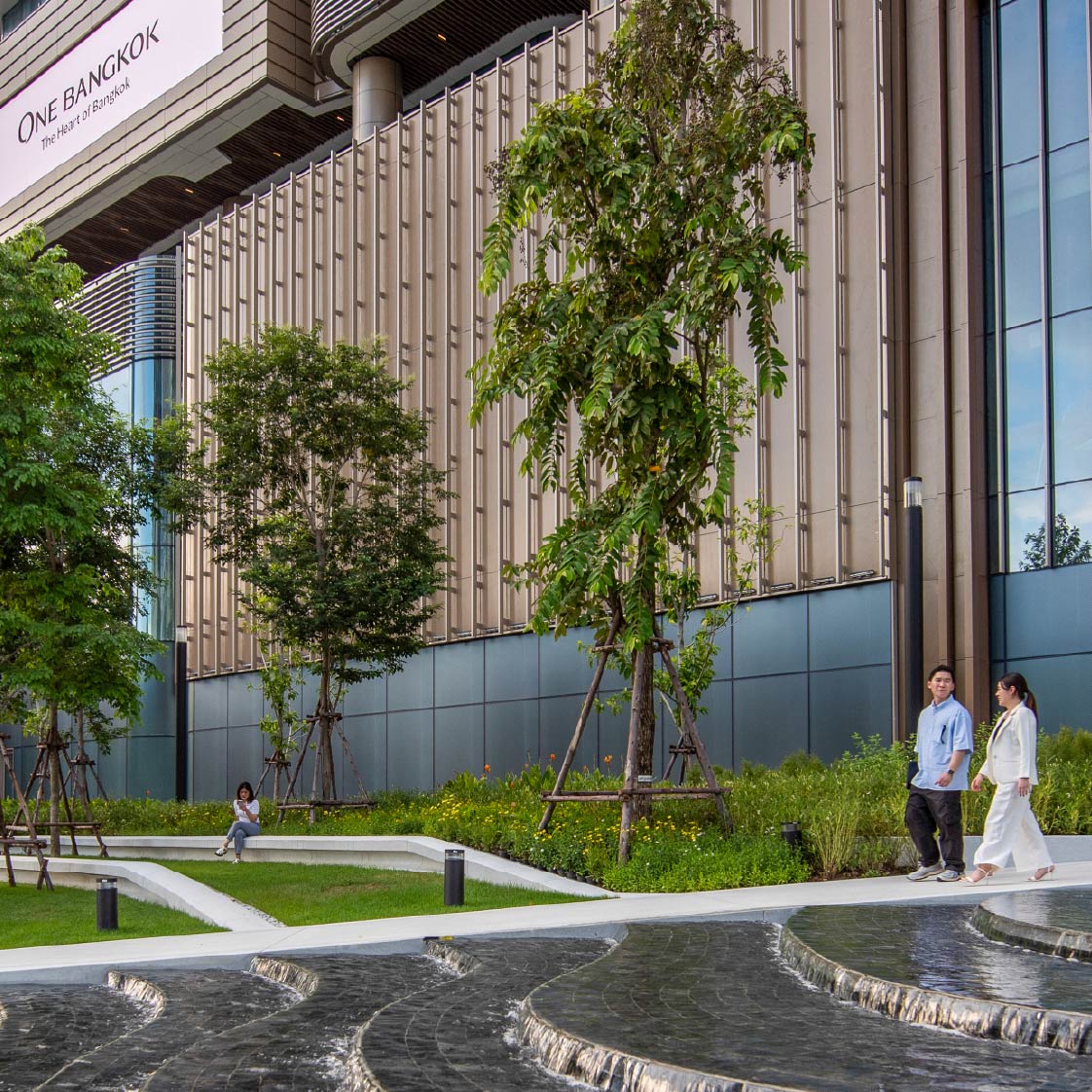
For those who wish to explore art galleries in Bangkok or a place where art blends seamlessly with modern urban life, visit One Bangkok. This cultural destination showcases diverse works from celebrated international and Thai artists, offering endless inspiration each time you visit.
References:
Types of Art – An Exploration of the Different Types of Art. Retrieved on 27 November 2025 from https://artincontext.org/types-of-art/.
Tag
SHARE

Another Premium Development by





Another Premium Development by