22 Dec 2025
In today's world, as climate change and environmental protection become crucial issues that cannot be ignored, sustainable urban development has become more than just about balancing nature. It also involves using resources efficiently and integrating eco-friendly technologies to maximise their benefits. Green Buildings or Energy-Efficient Buildings have become one of the most popular approaches in modern construction. These buildings aim to reduce environmental impact while improving the quality of life for their occupants.
Green Building: Development for a Sustainable Future
What is a green building? A Green Building is a structure designed, constructed, and managed with consideration for environmental impact at every stage. This ranges from the selection of Eco-Friendly building design materials to energy usage, water management, indoor air quality control, and waste reduction or recycling. The objective of a green building is not merely to "reduce the impact" on the environment but also to "increase the efficiency" of resource usage to ensure long-term sustainability across environmental, social, and economic dimensions.
Benefits of Green Building: Investing for Value
The development of Green Buildings is not just a passing trend, but it is an investment in the future that yields returns in several areas. Understanding these benefits clearly illustrates why an Energy-Efficient building is a crucial and worthwhile choice for the modern era:
Core Principles in Green Building Design
The Green Building concept focuses on integrating modern technology with energy conservation approaches, based on the following key principles:
1. Use of Eco-Friendly Materials
Green building construction typically involves the use of recycled materials, local resources, or low-carbon products, such as renewable timber, fly ash-mixed cement, and materials that help reduce heat gain within the structure.
2. Utilisation of Renewable Energy
One of the central elements of an Energy-Efficient building is the use of clean energy sources, such as solar power or wind energy, to replace electricity derived from fossil fuels.
3. Energy Conservation
Green buildings prioritise designs that help reduce energy consumption. Examples include high-efficiency air conditioning systems that use less power but provide effective cooling, as well as occupancy sensors and dimming systems that adjust based on natural light levels to reduce unnecessary electricity usage.
4. Maximising Natural Light
Designing buildings that take full advantage of natural daylight not only reduces electricity consumption but also provides better mental and physical health benefits for its occupants. Proper placement of windows and smart building design allows natural light to flow through the building, decreasing the need for artificial lighting.
Additionally, these buildings implement water management strategies to reduce consumption and recycle water for other uses, such as irrigation and cooling.
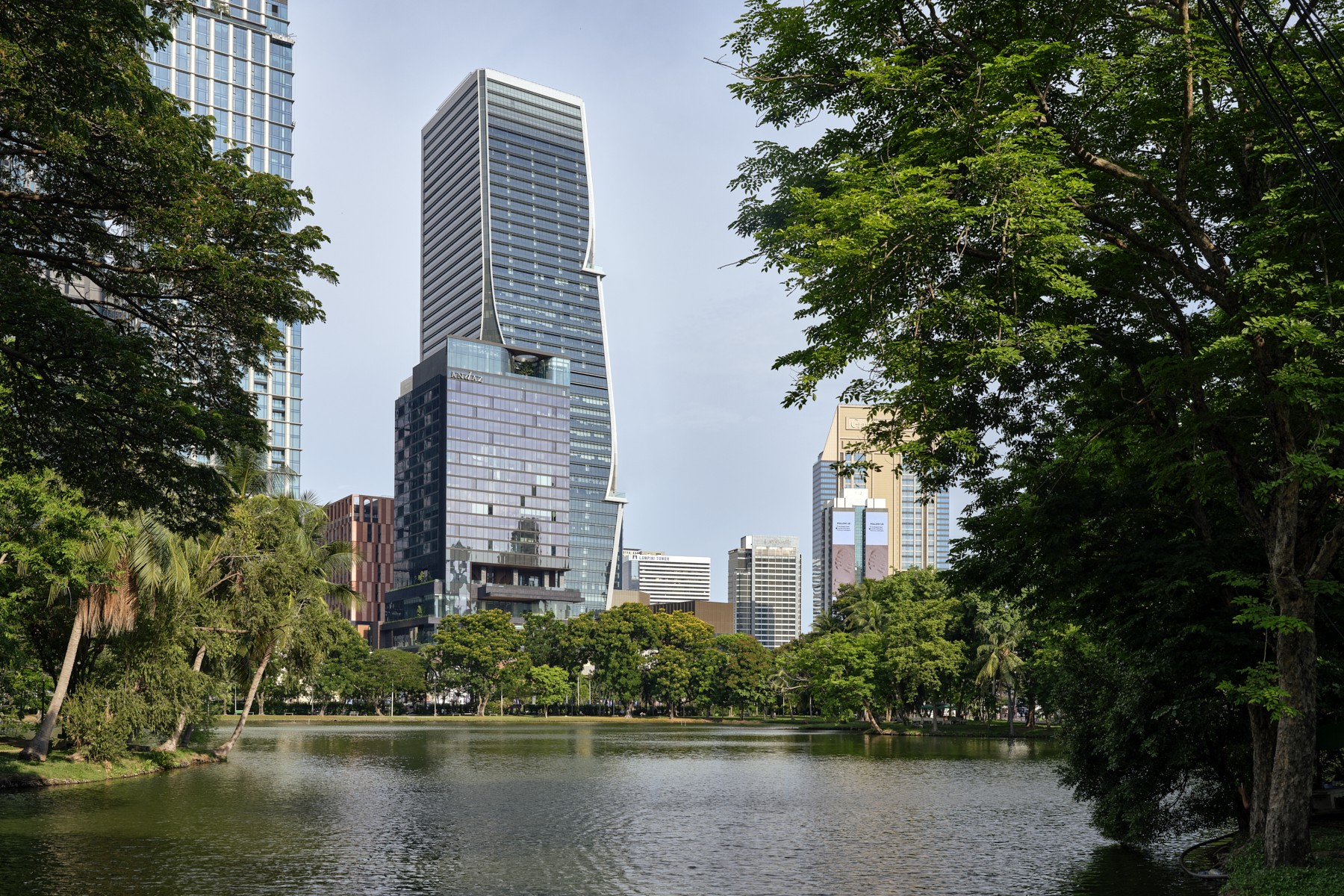
One Bangkok: A Model of Sustainable Green Building Design
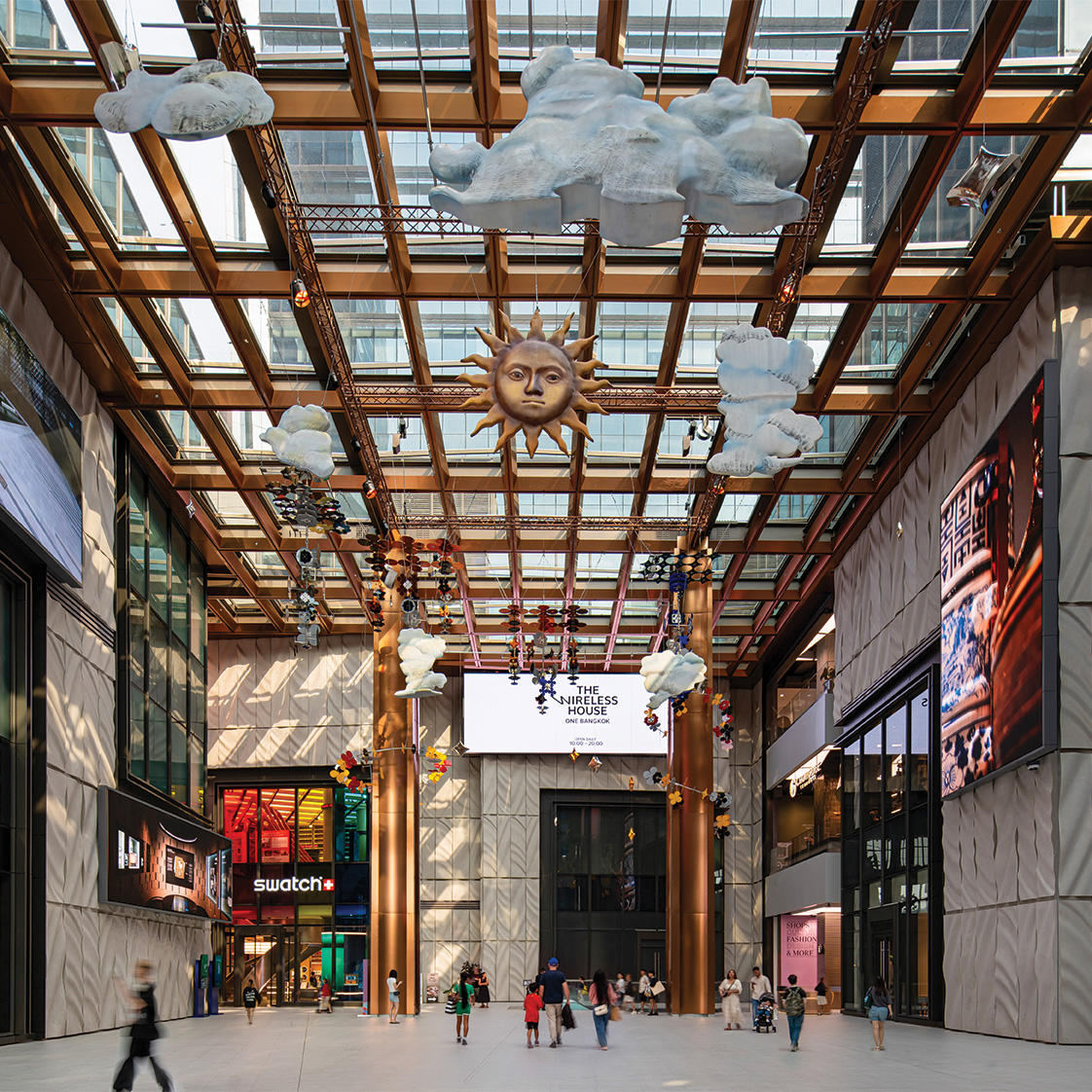
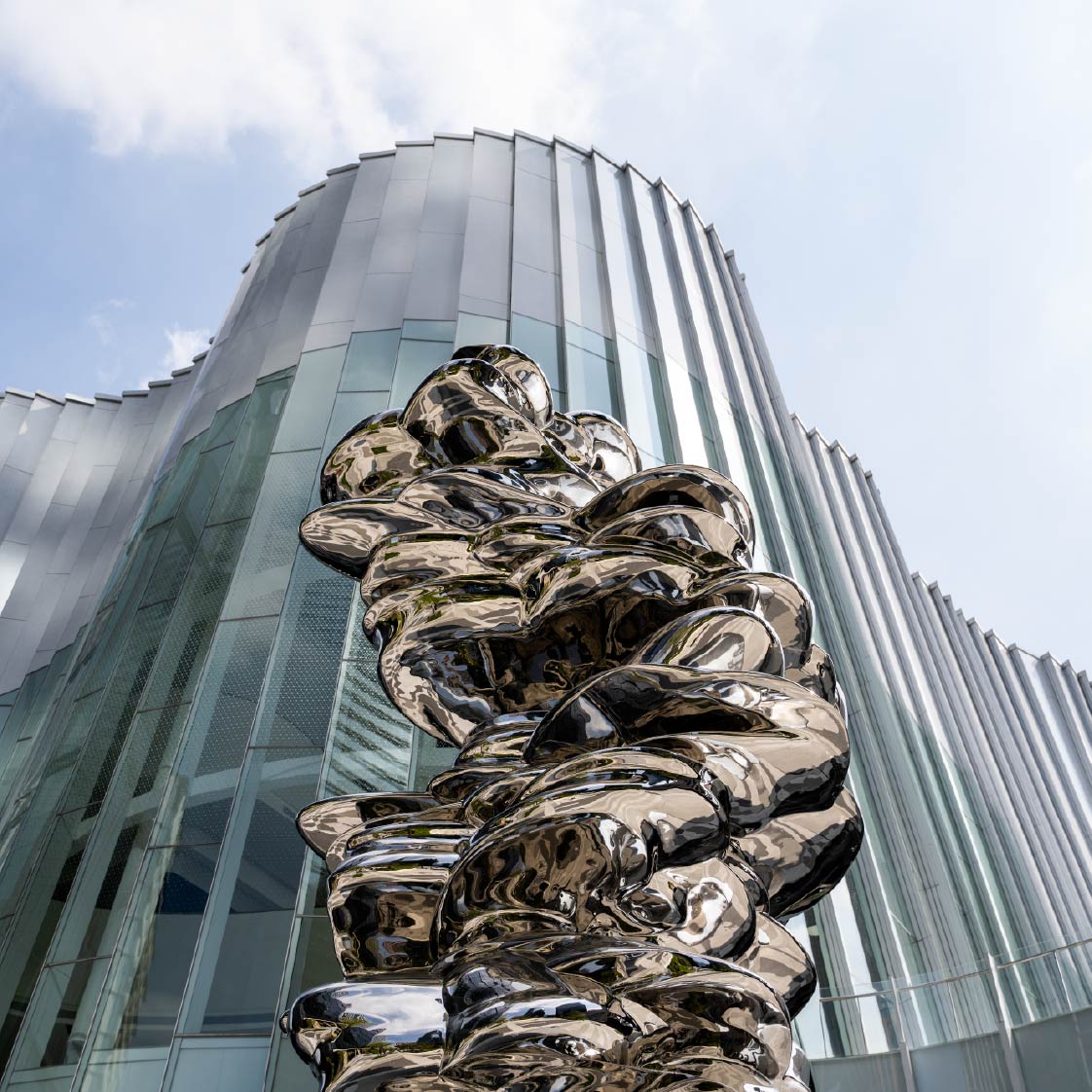
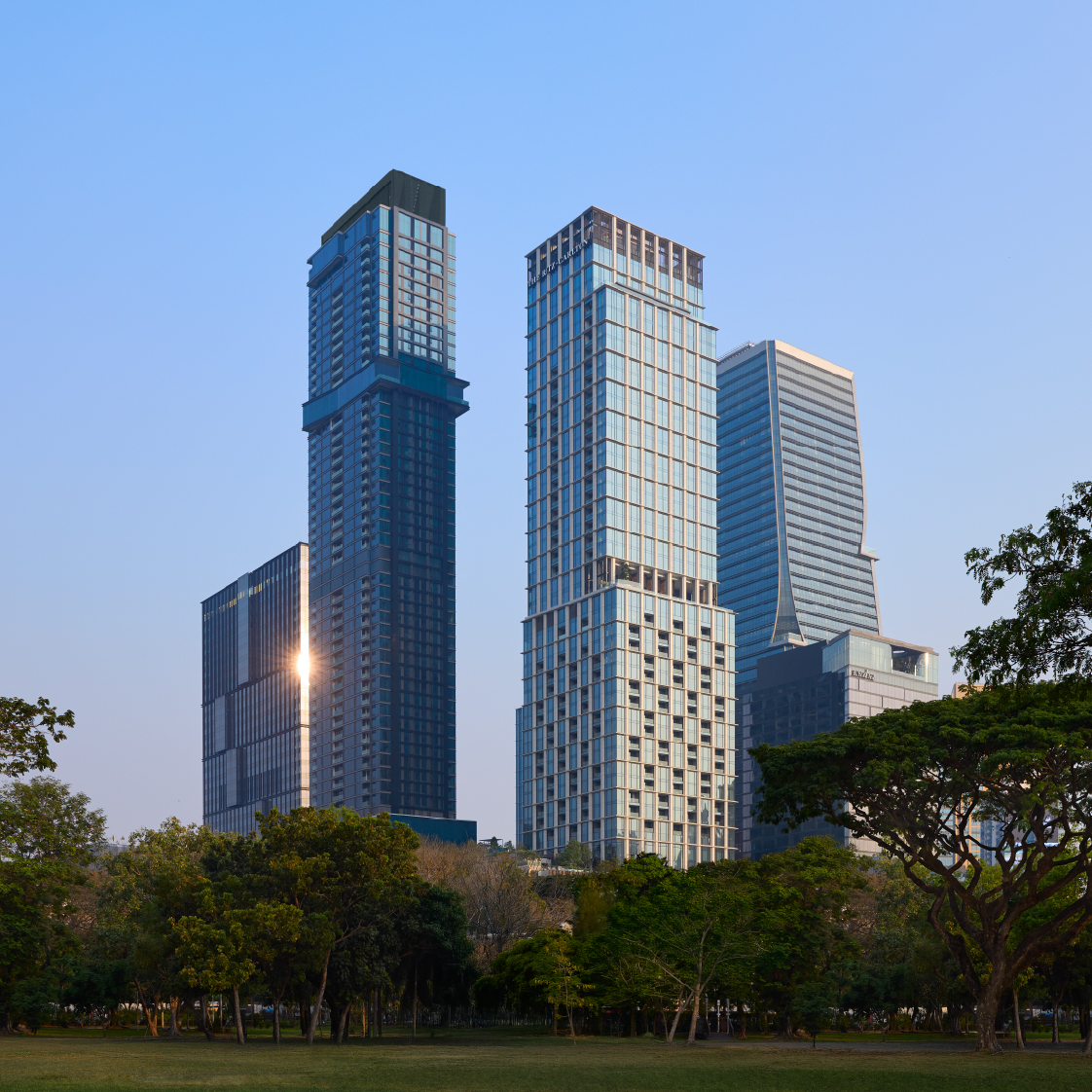
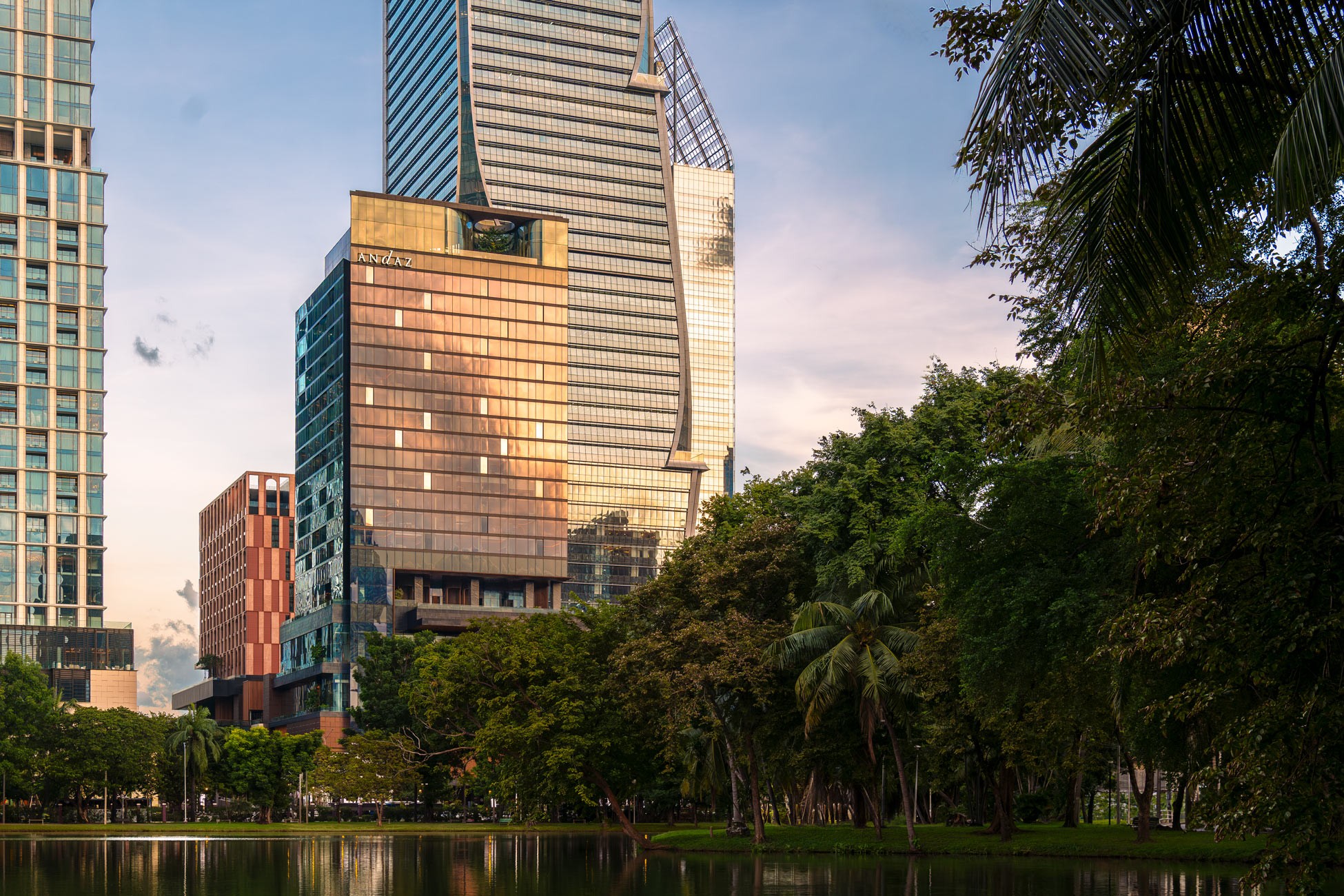
One Bangkok, an iconic development, exemplifies the concept of green building in Thailand. It integrates smart technology with eco-friendly designs to promote sustainability and improve the quality of life for its residents. One Bangkok is a prime example of a smart and sustainable city that combines cutting-edge architecture with green solutions.
LEED for Neighbourhood Development (LEED ND) Platinum Certification
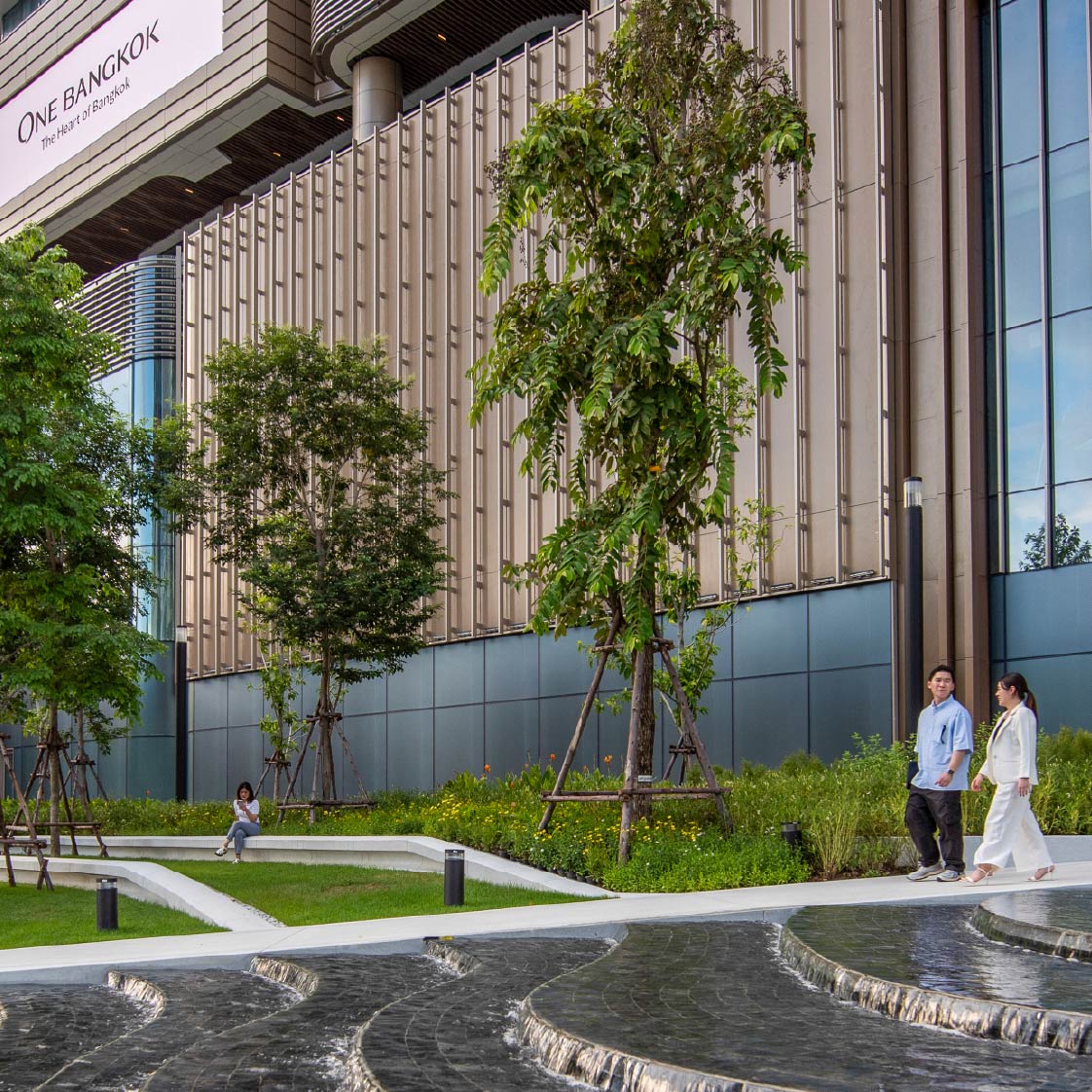
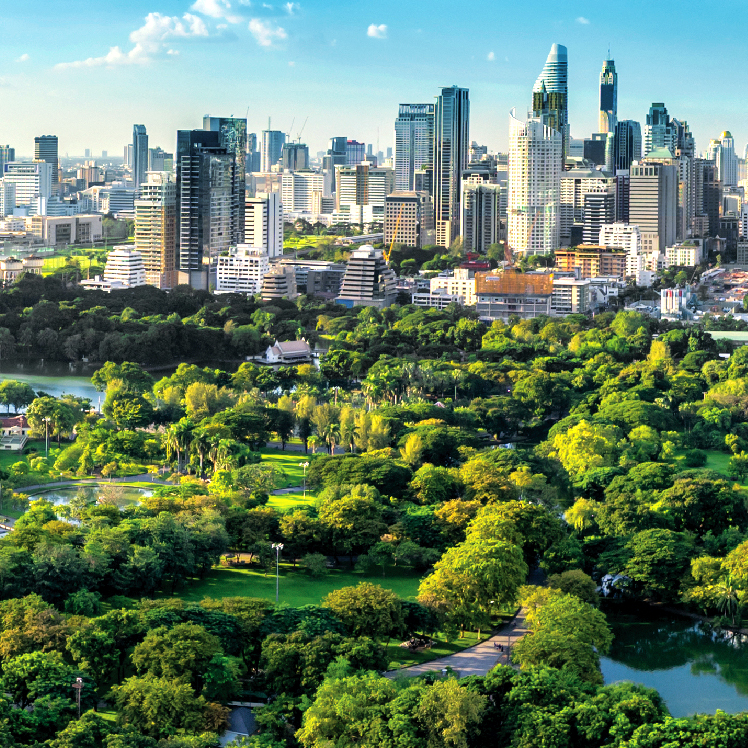
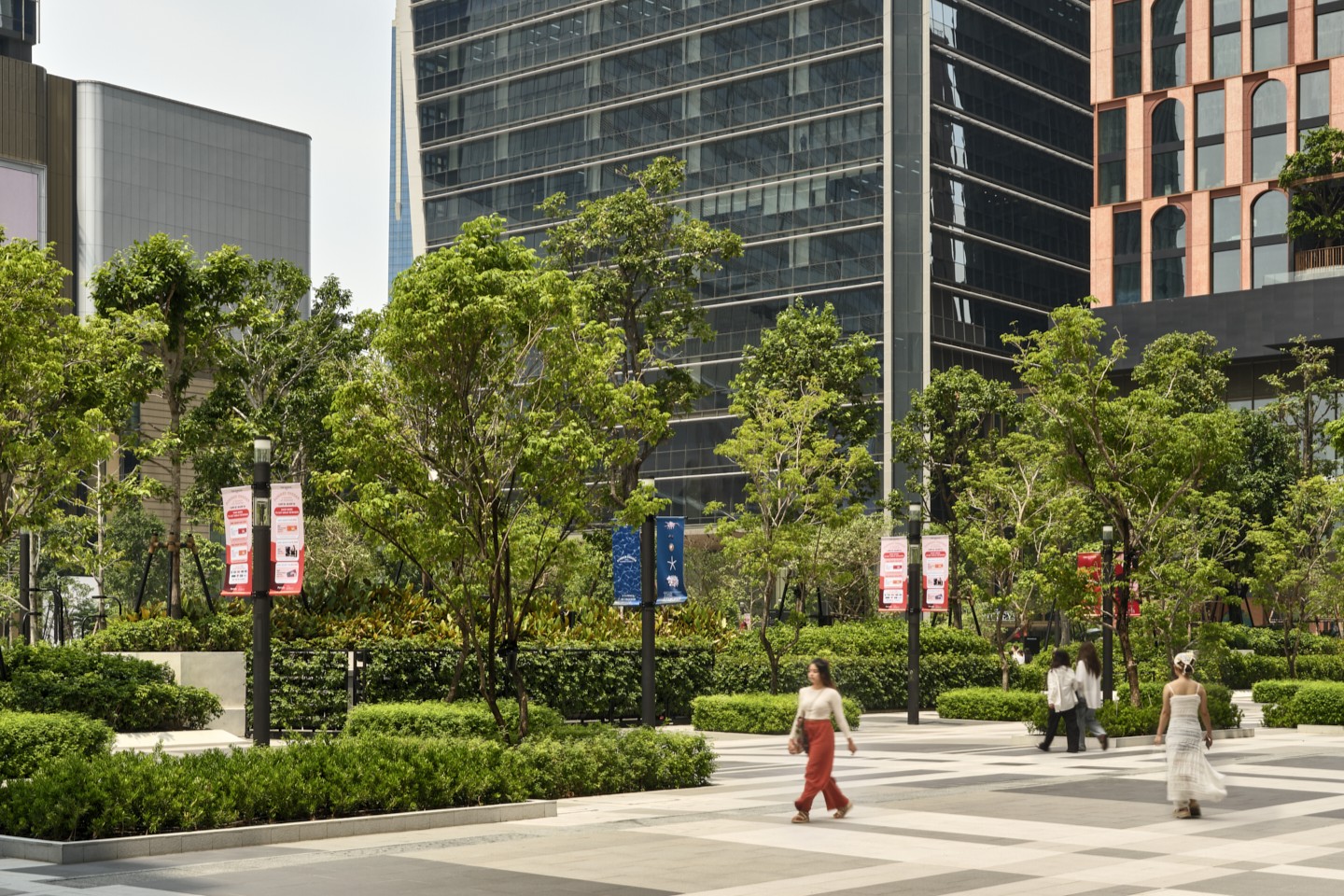
Each building in One Bangkok has received LEED ND certification, which is a globally recognised benchmark for sustainable neighbourhood development. This certification evaluates energy and water efficiency, waste management, air quality, and the overall design of the environment. The development’s green spaces and infrastructure promote both environmental sustainability and social well-being.
LEED Core and Shell (LEED CS) Certification
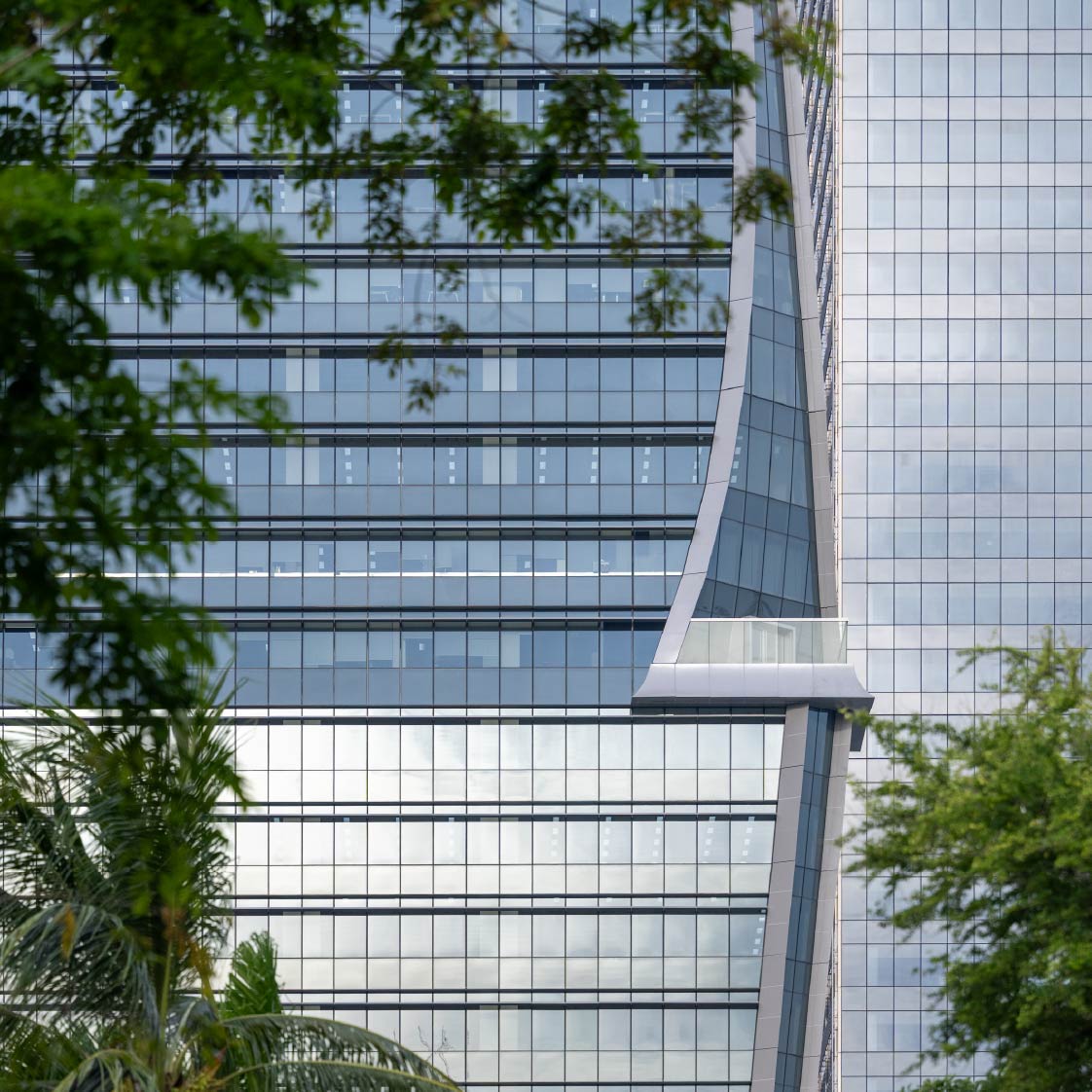
The office buildings at One Bangkok are constructed according to the LEED Core and Shell (LEED CS) standard. This certification confirms adherence to Sustainable building practices, energy efficiency, and the promotion of health and well-being.
WiredScore and SmartScore certifications
This is the highest level for office buildings. WiredScore is a global certification system that assesses building quality based on technology infrastructure and digital connectivity. Meanwhile, SmartScore evaluates the building's features in adopting advanced smart technology to create a workspace that meets sustainability demands.
The Green City at One Bangkok incorporates all these standards through design that is mindful of every detail to elevate the quality of life and create an environment that promotes both physical and mental health. This is blended with modern technology to meet sustainable living needs, such as:
In a world experiencing rapid environmental change, developing cities that prioritise environmental preservation alongside smart technology is crucial. We invite you to experience this environmental development at the Green City, One Bangkok, which is fully committed to this concept. By choosing technology that conserves energy and reduces pollution, we aim to create a sustainable city with a high quality of life for everyone. Discover the pinnacle of green building in Thailand today at One Bangkok.
References:
Tag
SHARE

Another Premium Development by





Another Premium Development by