26 Dec 2025

Have you ever wondered why some cities can manage energy so effectively, reducing loss and lowering energy costs? Part of the answer lies in the Smart Grid, an electrical system that's transforming the way power is consumed in the smart city age. The Smart Grid is not merely a technical term; it's a concept that intelligently blends technology and data with energy management.
What is a Smart grid?
A Smart Grid is an intelligent electricity network that uses digital technology and communication systems to control, transmit, and distribute power. It enables real-time monitoring of electricity consumption, data analysis, and adaptive power supply based on actual demand. Unlike traditional power systems that rely solely on transmission lines and control panels, Smart Grid introduces two-way communication. This encourages both energy producers and consumers to participate in energy management, thus reducing losses and improving overall system efficiency.
The Operating Principles of the Smart Grid
For an electricity system to be truly “smart,” multiple components must work together seamlessly. The operation of Smart Grid involves the following key processes:
What Are the Benefits of Smart Grid?
The Smart Grid benefits not only utility providers but also all sectors of society in tangible ways, particularly in terms of sustainable energy usage. The beneficiaries can be divided into three main groups:
1. For Consumers (Smart Consumption)
2. For Businesses (Operational Efficiency)
3. For Society and the Environment (Sustainability and Resilience)

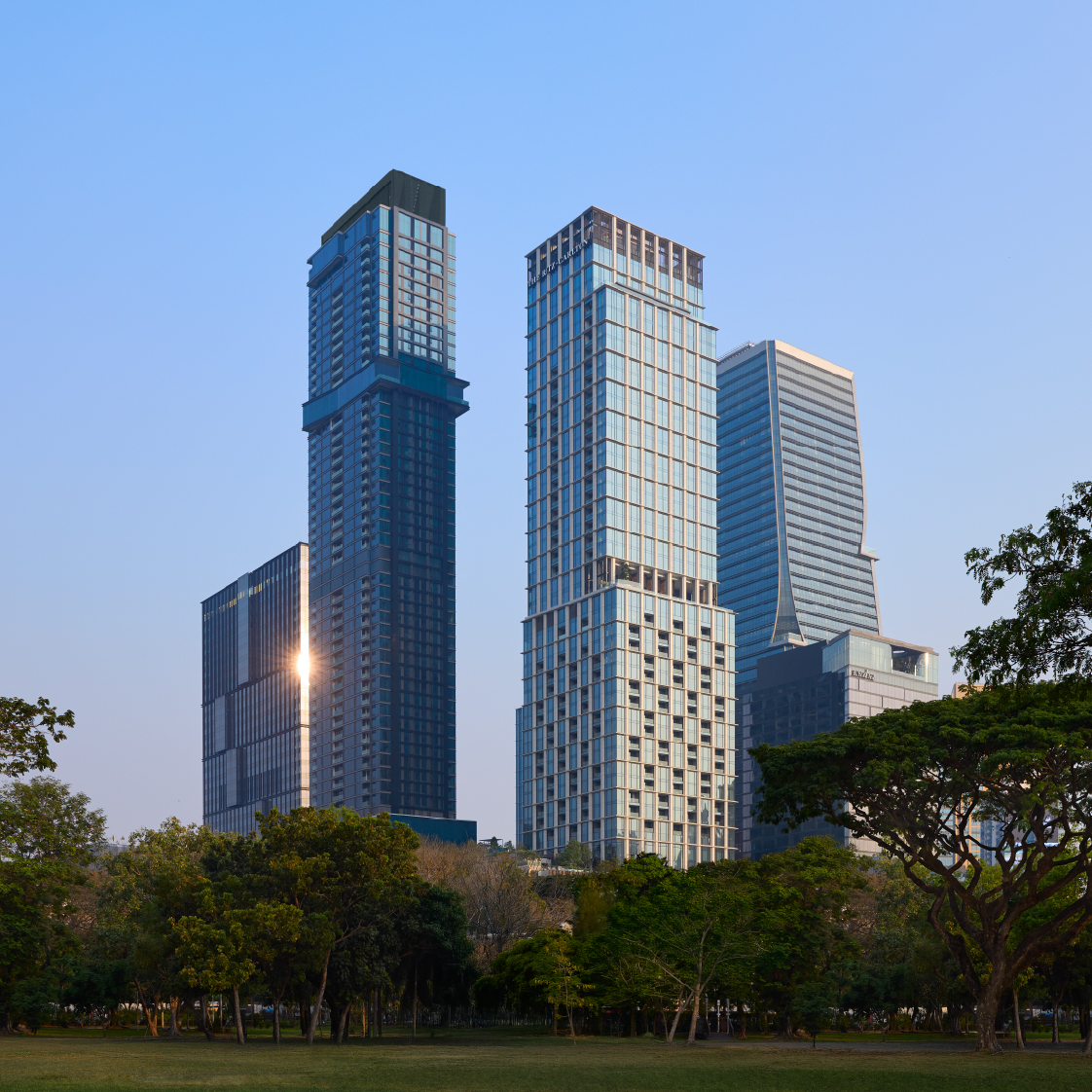
Smart Grid is the Foundation of the smart and sustainable city at One Bangkok
The Smart Grid is an intelligent electrical network system that functions as the energy bedrock for One Bangkok. It was developed under the Green Smart City model. The use of the Smart Grid allows the city to manage energy more flexibly than traditional systems, support renewable energy usage, and promote sustainability for the city's infrastructure. This works in conjunction with various systems for maximum efficiency.
Central Utility Plant (CUP): The Heart of Utility Management
The Central Utility Plant (CUP) is the intelligent hub responsible for managing all utility systems, including cooling production, water management, and electricity control through Smart Grid. CUP analyses real-time data and applies advanced technologies to optimise power distribution and resource usage around the clock, ensuring consistently high efficiency.
District Command Center (DCC): The Hub for Data and Security
The District Command Center (DCC) is an intelligent command centre focused on safety, security, and disaster management. It gathers data from millions of sensors and over 5,000 CCTV cameras. Real-time data from the DCC supports strategic decision-making in conjunction with the CUP, ensuring that all infrastructure operates continuously and securely, even in critical situations.
Smart Grid is far more than an advanced power system. It represents a pathway towards intelligent and sustainable urban development, enabling smarter energy management, reducing environmental impact, and enhancing overall quality of life for people living and working in the city.
For those interested in smart and sustainable city concepts and environmentally driven innovation, One Bangkok stands as a leading model of sustainable urban management. Be part of a truly integrated urban experience where technology, sustainability, and lifestyle come together seamlessly across every space.
References:
Tag
SHARE

Another Premium Development by





Another Premium Development by