28 May 2026
Key Takeaway
Gender diversity is the cornerstone of building an equitable society. It encompasses the LGBTQ+ community, which represents Lesbian, Gay, Bisexual, Transgender, Queer, and other fluid identities, as well as non-binary identities, where individuals define themselves beyond the traditional male and female spectrum. Understanding what LGBTQ stands for and what is non-binary empowers us to create inclusive spaces where everyone can live together sustainably.
Table of Contents
In an era where the world is more open-minded and accepting of differences, diversity has become a cornerstone of urban development. Gender diversity is no longer just a niche topic but an integral part of city life that continuously drives Bangkok and the nation forward. However, amidst this progress, many people may still not fully grasp its concept. To ensure that everyone is able to live together in harmony and mutual understanding, today we will dive deep into the true meanings of frequently used gender identity terms, such as LGBTQ+ and non-binary, and explore why they are essential for building a sustainable society.
What Does LGBTQ+ Stand For and What Does It Include?
This growing sequence of letters is not just added for complexity but rather reflects the actual, inclusive existence of individuals with diverse gender identities. Each letter defines an identity that reflects pride in being different, which can be categorised by its specific definitions as follows:
Understanding what LGBTQ stands for is a starting point for recognising that love, identity and humanity exist in far more diverse forms than traditional social norms once allowed. For anyone asking what LGBTQ+ is, it can be understood as an inclusive term that represents a broad spectrum of sexual orientations, gender identities and lived experiences.
Understanding Non-Binary: A Gender Identity Beyond Boundaries
Beyond the letters in the LGBTQ+ acronym, another definition that is frequently discussed and well worth understanding is non-binary.
What Is Non-Binary?
To explain it simply, what is non-binary refers to people whose gender identity does not fit within a system that recognises only men and women. A non-binary person may feel that their identity includes both masculinity and femininity, neither, or exists beyond the boundaries of gender altogether. Non-binary identities are also part of the broader LGBTQ+ community.
Why Is It Important to Understand the Existence of Non-Binary People?
Understanding the non-binary community means recognising and validating an individual's core spirit and internal identity. It helps us see that ‘gender’ is not merely about external anatomy but an internal feeling that does not necessarily have to align with one's sex assigned at birth or traditional societal roles. Showing respect to non-binary individuals begins easily by honouring the pronouns and terms they choose for themselves, which reflects that we truly see and accept them for who they are.
A Place for Everyone: From Understanding to Real-Life Inclusion
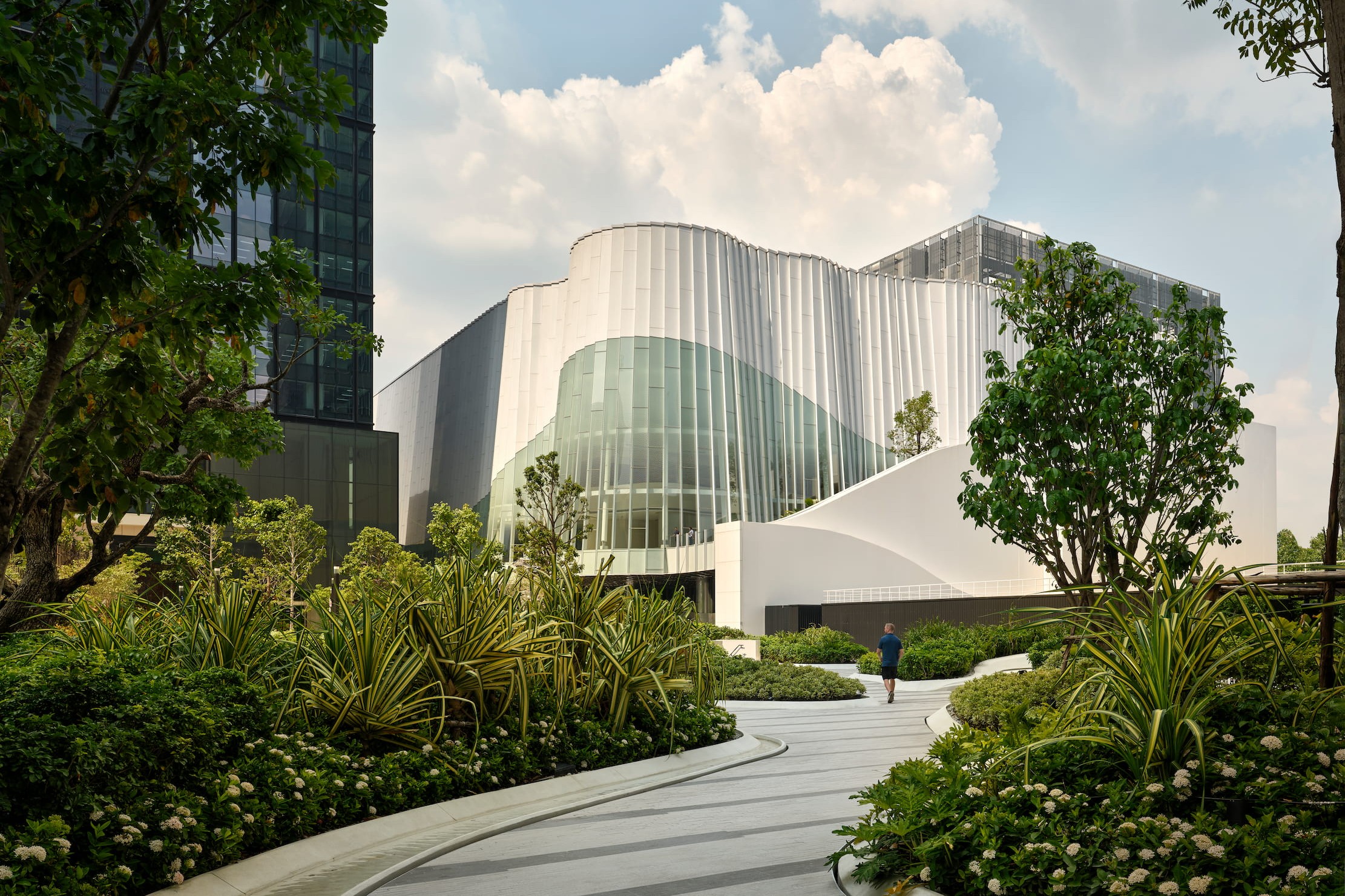
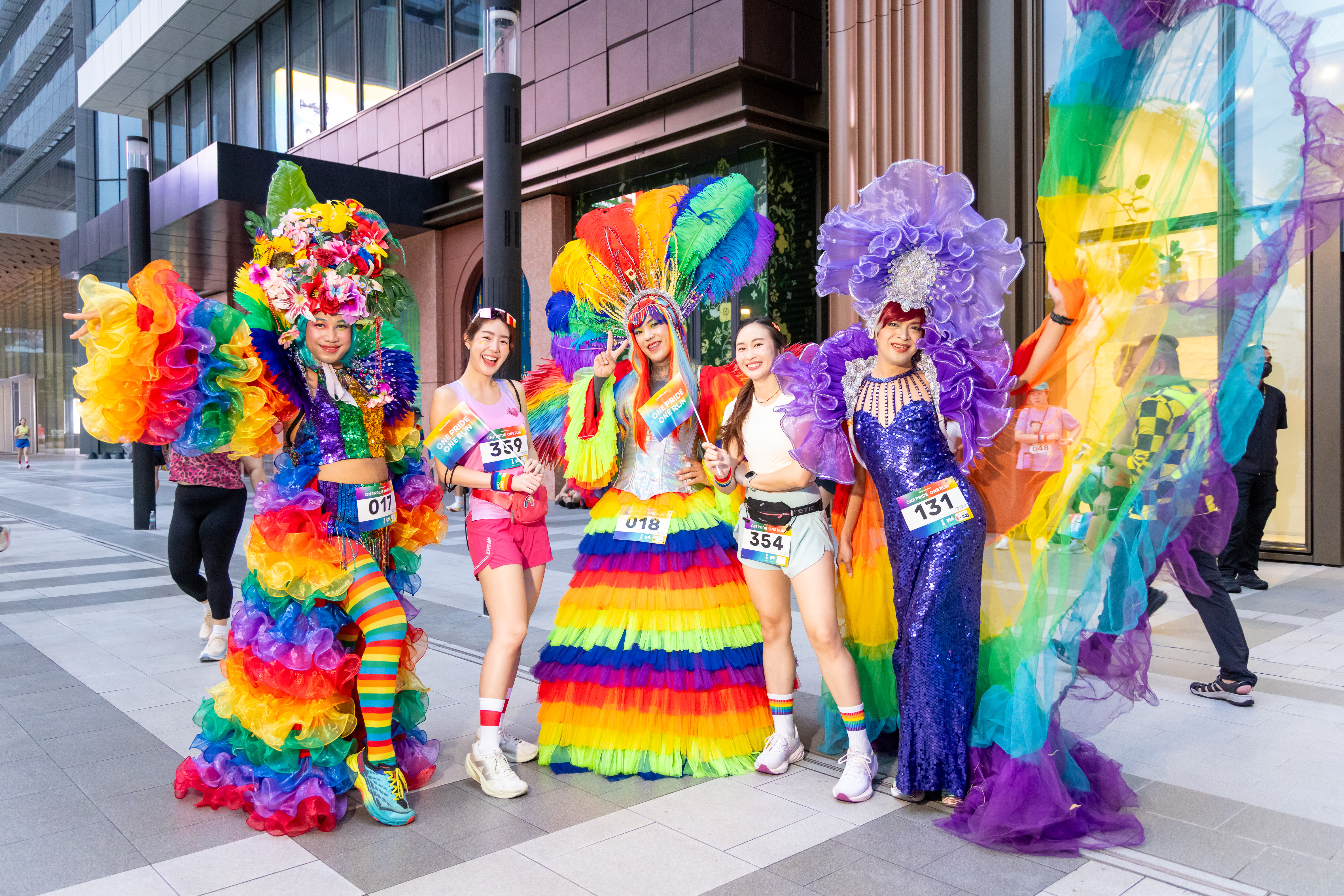
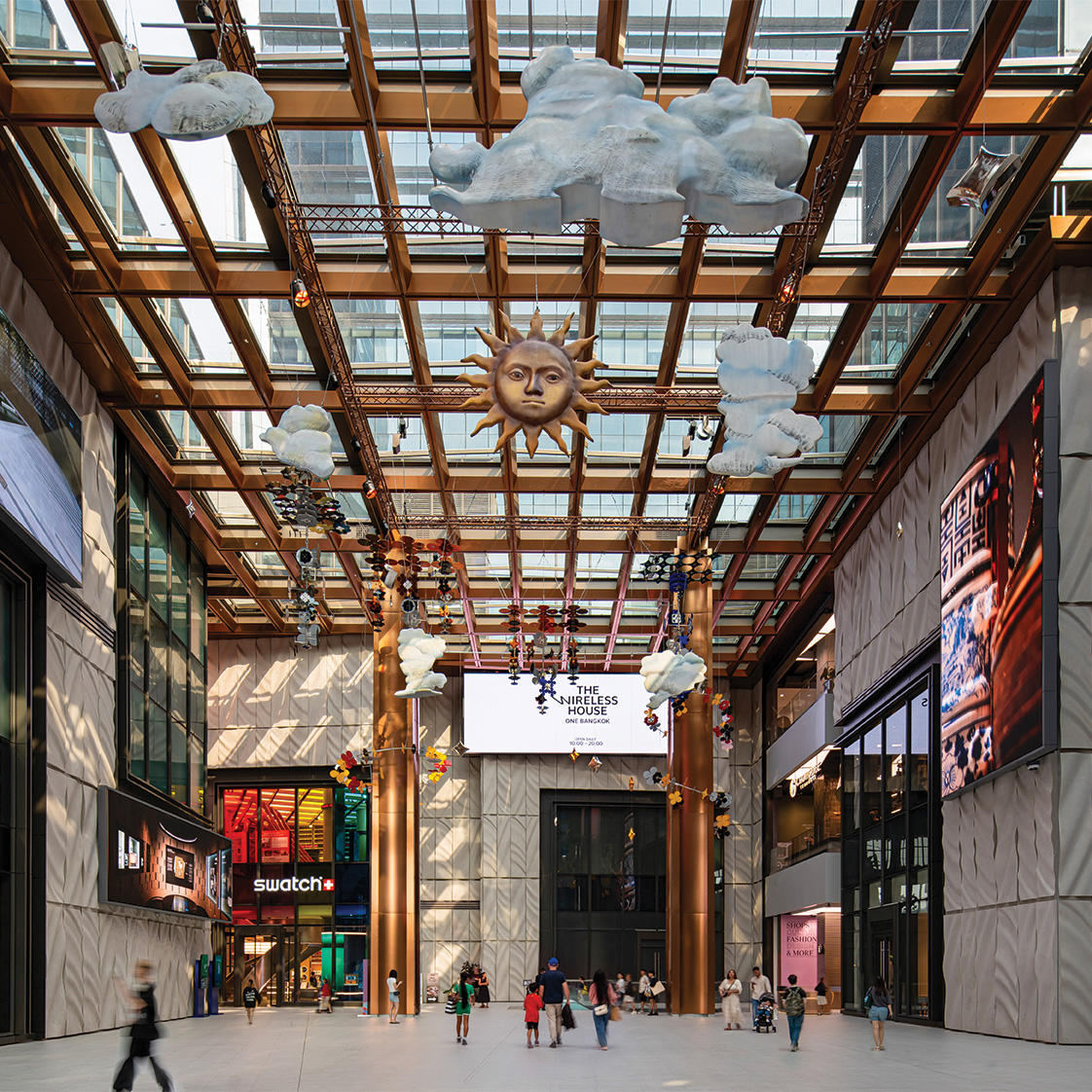
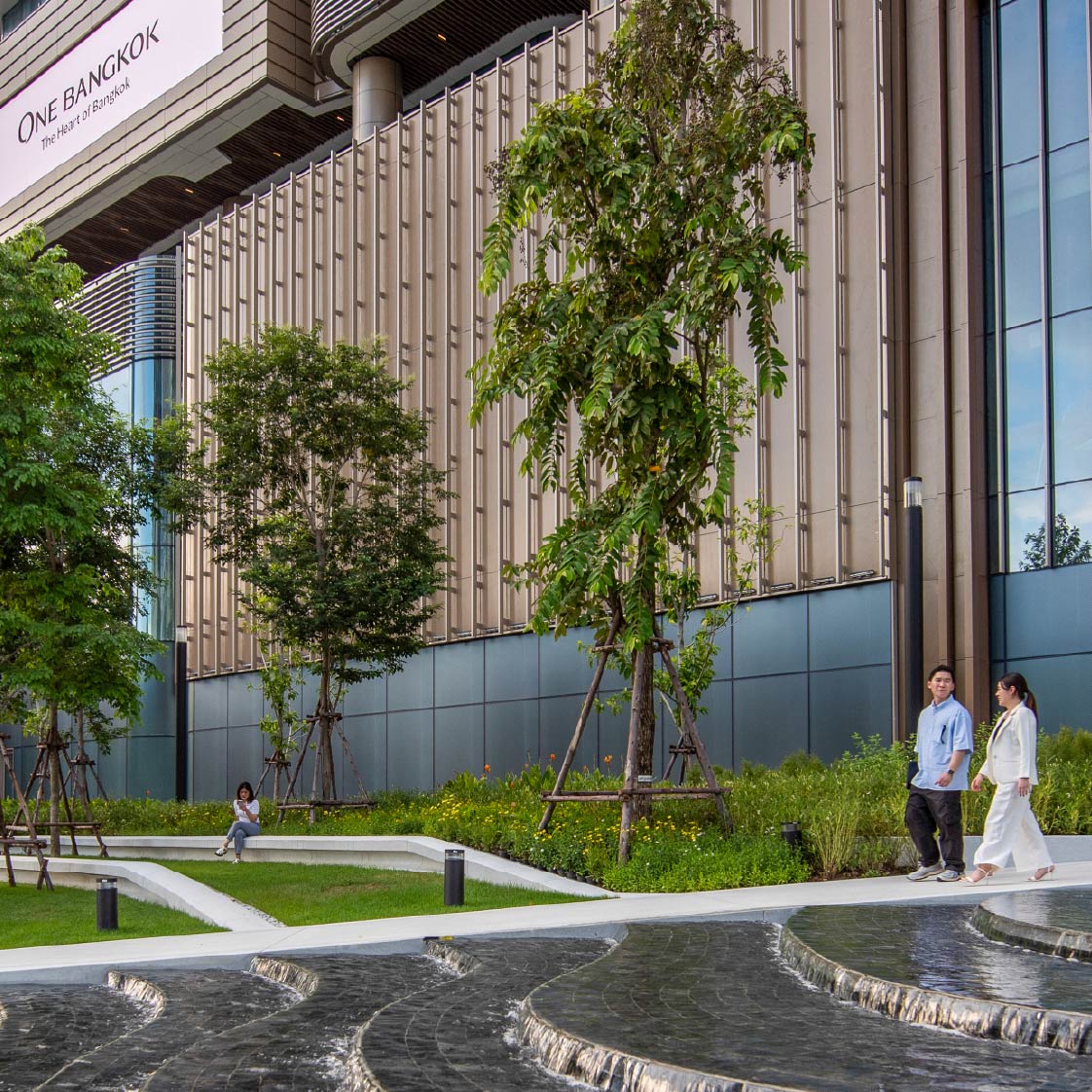
Understanding LGBTQ+ and non-binary identities is not merely general knowledge. It is part of building a society that embraces diversity in all its forms. One Bangkok believes in a people-centric design approach that responds meaningfully to the needs and well-being of all. Regardless of gender identity, every individual deserves a place where they can express themselves safely and with pride. The spaces within One Bangkok are therefore more than buildings or public parks; they are social connectors designed to support diverse lifestyles.
If you are looking for a vibrant community space that welcomes “Pride” and is filled with limitless creative energy, One Bangkok invites you to experience a premium lifestyle in a space designed with humanity at its core. Discover a wealth of special campaigns and activities at One Bangkok that inspire and champion equality in every dimension.
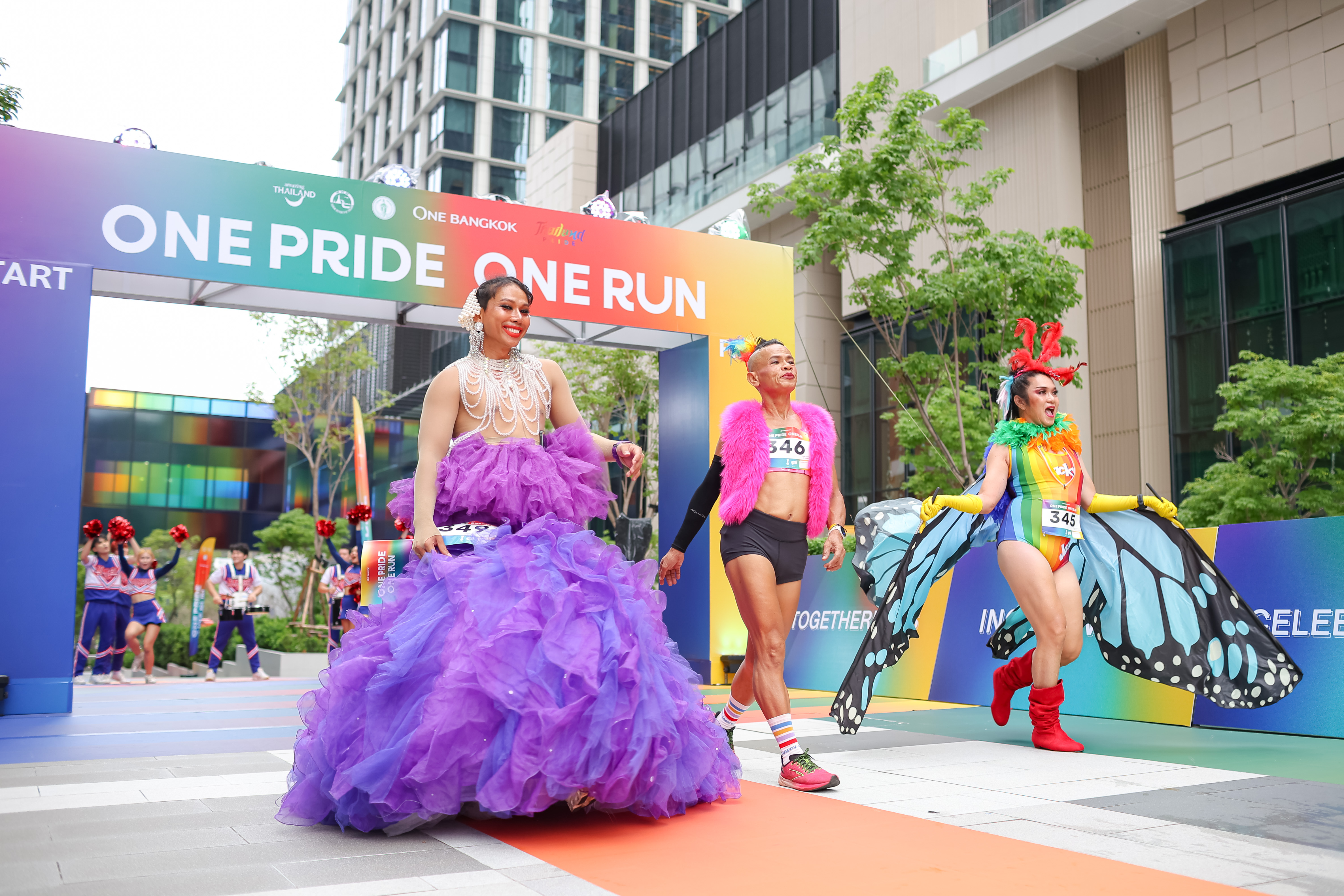
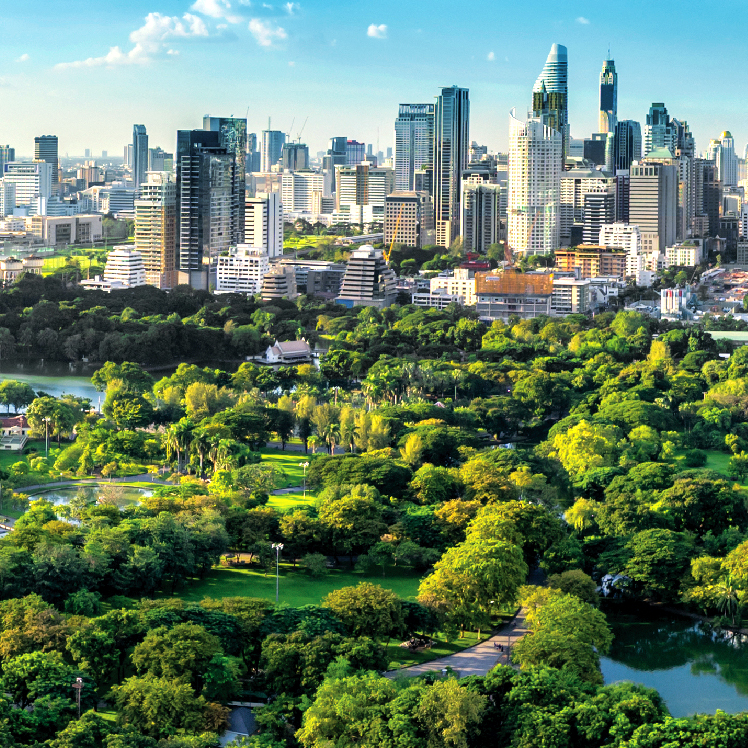
In June 2026, as Bangkok continues its journey towards becoming the Pride Hub of Asia, One Bangkok invites everyone to celebrate diversity at “One Bangkok One Pride One Run”, a major Pride Month highlight taking place on 7 June 2026. The event will feature 5 km and 10 km running routes connecting key landmarks, from One Bangkok Boulevard within One Bangkok to the green spaces of Lumphini Park and Benjakitti Park.
You’re invited to be part of this historic celebration of pride and endless diversity, creating a true space for people of all genders and generations to truly come together.
Reference:
Frequently Asked Questions about the Pride month One Bangkok Festivities (FAQs)
Q: What is the difference between Queer, Non-Binary, and Transgender?
A: These three terms share overlapping themes but have distinct areas of focus:
In summary, one person may be transgender and also identify as queer. However, not every queer person is necessarily non-binary.
Q: Apart from LGBTQ+, Who Does the “+” Represent?
A: The “+” represents other identities not specified in the first five letters. These may include intersex people, whose sex characteristics do not fit typical definitions of male or female; asexual people, who experience little or no sexual attraction; pansexual people, who may be attracted to people regardless of gender; and other identities that continue to emerge and be recognised over time.
Q: How Can We Start Supporting Gender Diversity in Everyday Life?
A: A good starting point is to use the name and pronouns that each person chooses for themselves. It is also helpful to avoid gendered assumptions, learn new terminology with an open mind, and respect how each individual expresses their identity without judgement.
Q: Why is celebrating diversity and pride important for an urban society?
A: Embracing diversity helps reduce discrimination and fosters a safe, inclusive environment. This is a crucial factor in attracting talented individuals who can sustainably drive a city's economy and innovation forward, ensuring no one is left behind.
Tag
SHARE

Another Premium Development by




Another Premium Development by






.jpg)