16 Apr 2026
Key Takeaway:
True efficiency in the modern era isn't about exhausting yourself with long hours; it is about applying the "Smart Work, Smart Space" philosophy. This approach focuses on working intelligently by mastering time management and concentration through professional techniques, such as prioritising just three key tasks, aligning work with natural energy cycles, and managing environmental stimuli. When paired with a well-designed workspace featuring natural light, greenery, and smart office technology, these elements reduce fatigue, spark creativity, and lead to sustainable productivity improvement.
Table of Contents
Working efficiently is about finding the right balance among time, energy, and a supportive environment. In an age where we are bombarded with multi-tasking demands and information overload, what is work efficiency if not the ability to work smarter rather than work faster? This article explores the “Smart Work, Smart Space” concept to help you achieve higher quality results than ever before.
Understanding: What is Work Efficiency?
Many people mistakenly believe that working efficiently means sitting at a desk all day or trying to handle every single task personally. In reality, the definition of 'smart work' is focusing on ‘outputs’ rather than ‘hours logged’. It involves the skill of prioritising, knowing exactly what to do and when to do it, as well as identifying which tasks require your personal touch and which should be delegated.
Once we are able to manage our own time and energy effectively, the next pillar is collaboration. Having a transparent workflow and communicating clear goals within a team is the key to closing gaps, reducing redundant work, and transforming daily chaos into a collaborative engine that delivers exceptional results.
Professional Techniques for Improving Work Efficiency
As mentioned above, achieving excellent results doesn’t mean working until dawn; it means managing your resources wisely. If you are serious about improving work efficiency, try implementing these professional techniques:
Morning Focus Routine: The Power of Three
Instead of a dauntingly long to-do list, use the "Rule of Three" to ensure continuous productivity improvement. Identify only the three most important tasks that will have the biggest impact on your primary goals for that day.
Tip: Write down your "Top 3" the night before so you can hit the ground running the moment you wake up.
Time Blocking: Segmenting Your Day
Stop multitasking, as it drains the brain and increases the risk of errors. Switch to a structured schedule; for example, block out 09:00-11:00 for deep-focus work where you don’t take calls or answer chats, and set aside 14:00-15:00 for administrative tasks. Segmenting your day allows the brain to switch modes systematically, reducing fatigue and unlocking peak creativity.
Digital Minimalism: Organising the Digital World
Notifications are the ultimate enemy of concentration. Start by turning off unnecessary app alerts during work hours. Set specific times to check emails or messages, such as morning, midday, and before finishing for the day, rather than staying on constant standby. Keeping a clean desktop also helps. Reducing this digital noise restores mental space, lowers stress, and keeps your focus 100% on the task at hand.
Work Environments That Foster Productivity
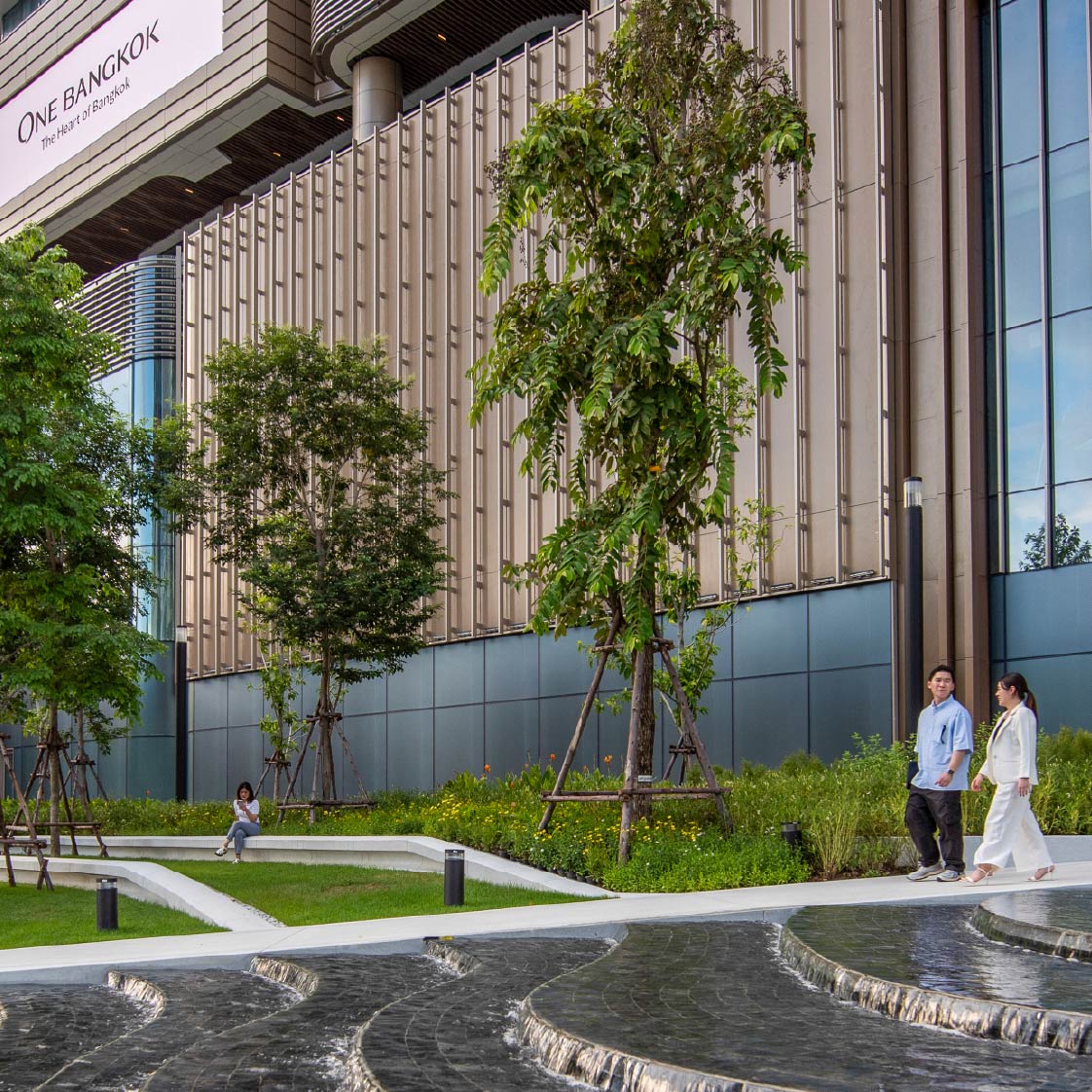
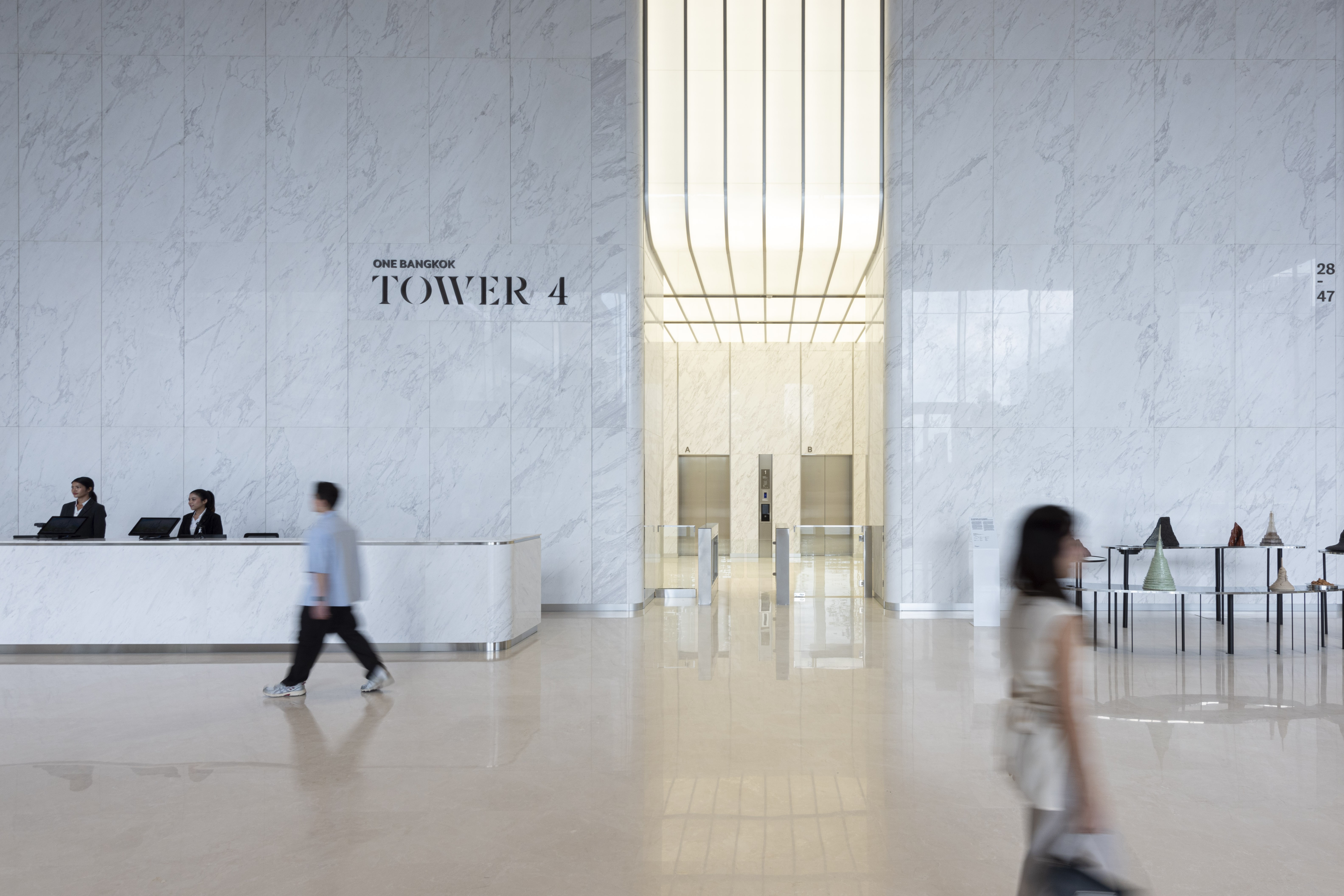
A superior workspace does more than just help you concentrate; it actively facilitates productivity improvement. Workspace design that incorporates natural light and greenery helps the body and mind relax, which is essential when you are focused on improving work efficiency across your team.
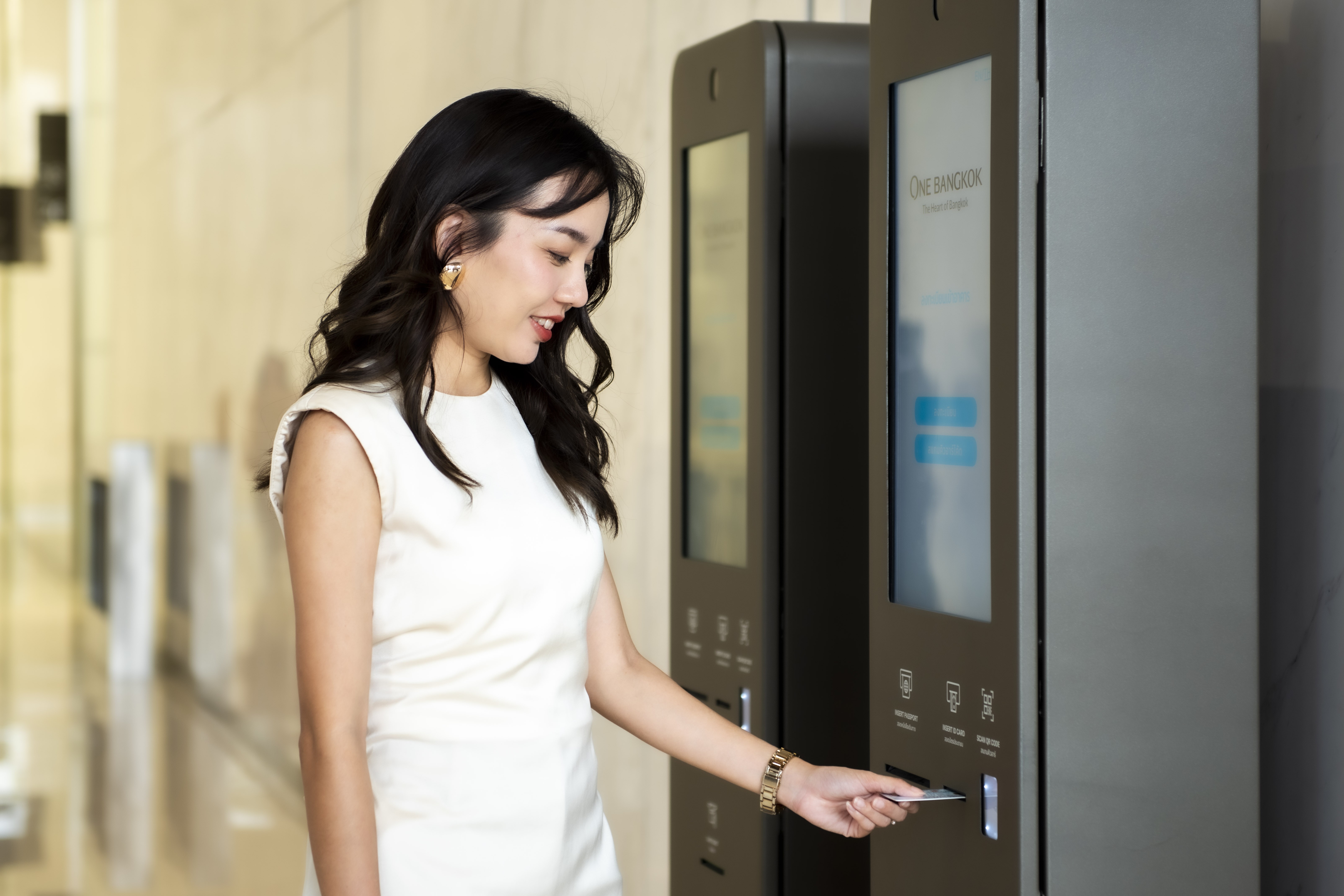
Furthermore, “Smart Space” technology plays a vital role in the modern office. Smart office systems that control lighting, temperature, and meeting room bookings allow employees to focus on their core responsibilities without wasting time on trivial logistics. These systems not only enhance performance but also improve energy efficiency and organisational sustainability.
Ultimately, efficiency isn't just a personal trait; it depends on "spaces that make people want to work". An environment that encourages focus, collaboration, and inspiration allows a team to reach its full potential.
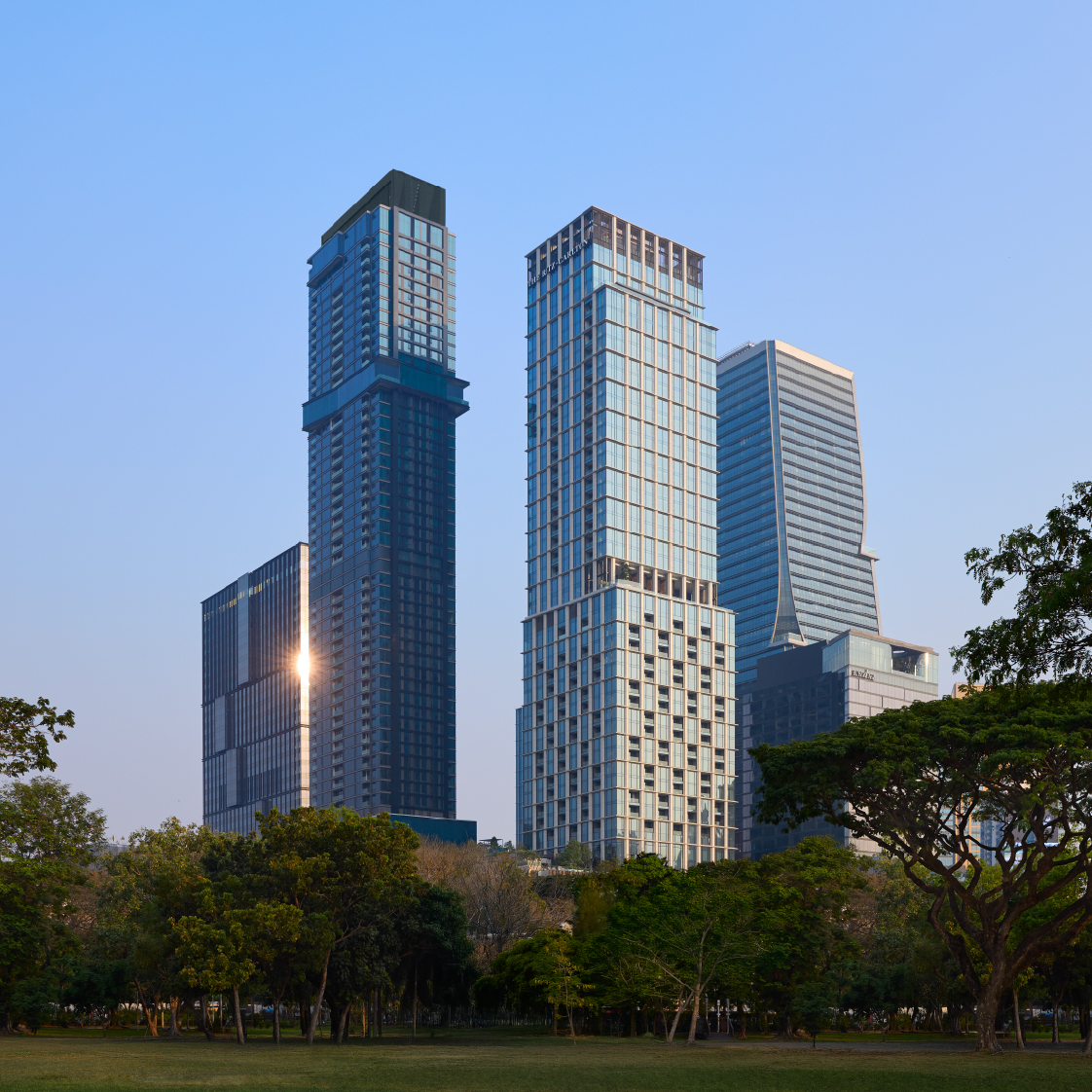
Discover the perfect setting at a premium Office for rent in Bangkok at One Bangkok, a workspace meticulously designed to support every dimension of modern efficiency.
FAQ
Frequently Asked Questions on Improving Work Efficiency (FAQs)
Q: What is work efficiency or "Smart Work"?
A: Working efficiently means knowing what to do and when to do it. It involves effective time management coupled with clear communication and transparent systems to eliminate redundant tasks within a team.
Q: How does Time Blocking help reduce work fatigue?
A: Time Blocking involves stopping multitasking and dedicating specific blocks of time to specific tasks, such as using the morning for deep focus and the afternoon for general admin. This allows the brain to switch modes systematically, reducing mental strain and allowing creativity to flow more naturally.
Q: How does the work environment affect Productivity?
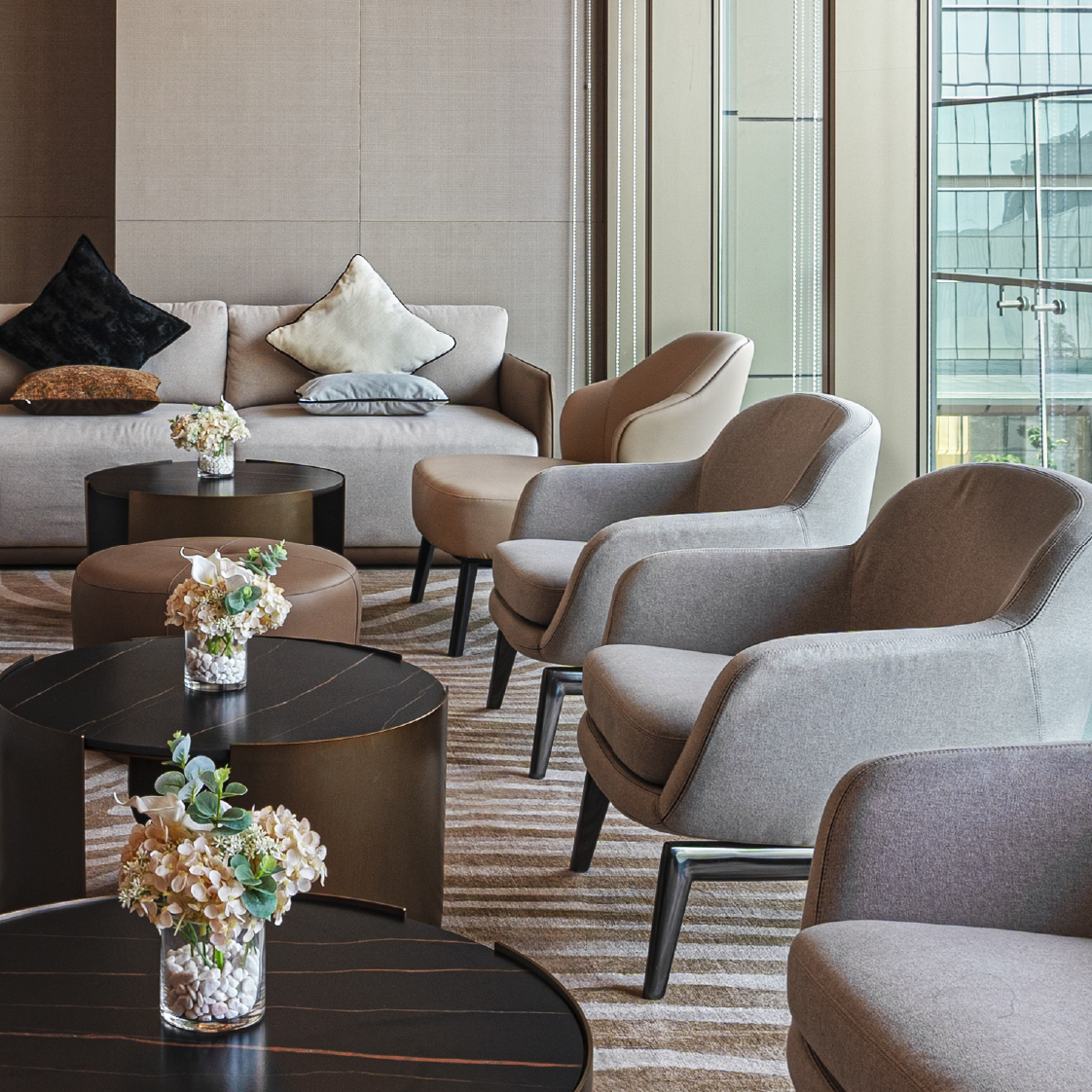
A: A good workspace, one with natural light, fresh air, and greenery, helps the body and mind remain relaxed and reduces stress. Additionally, break-out spaces stimulate energy, foster creative ideas, and build stronger team bonds.
Tag
SHARE

Another Premium Development by





Another Premium Development by