09 Nov 2026
Key Takeaways
Biodiversity is the variety of living organisms at three levels: genetic, species and ecosystem. It plays a vital role in major cities by creating balance, reducing accumulated heat, filtering particulate matter, and benefiting the physical and mental health of urban residents. The Urban Forest concept replicates the workings of a natural forest through multi-layered canopy planting. One Bangkok has applied this concept in designing its green spaces to serve as a refuge for wildlife, with the aim of enhancing the quality of life of urban residents.
Table of Contents
Amid the growth of skyscrapers and the fast-paced lifestyle of the metropolis, one thing that major cities around the world yearn for, and strive to bring back into people’s everyday lives, is “nature”. Sustainable nature, however, is not merely a matter of planting ornamental trees around the city. It also extends to creating a balanced biodiversity, which is the fundamental basis that keeps a city vibrant and enables it to grow sustainably.
This article will take you to a deeper understanding of biodiversity, and explore the “Urban Forest” concept that One Bangkok is committed to creating in order to enhance the quality of life of urban residents.
What is biodiversity?
When we talk about “biodiversity”, many people may think of remote, deep forests. In fact, it is always all around us, because biodiversity is the variety of all forms of life on Earth. To make it easy to understand, it can be divided into three levels:
In an urban context, biodiversity is something we can genuinely experience in our daily lives, such as trees of many species providing shade, colourful birds perching on branches, or even small pollinators such as butterflies and bees, which help the city’s flowers to bloom and propagate.
Why is biodiversity important to major cities?
A rich ecosystem is a key mechanism that drives major cities towards sustainability.
What is an Urban Forest?
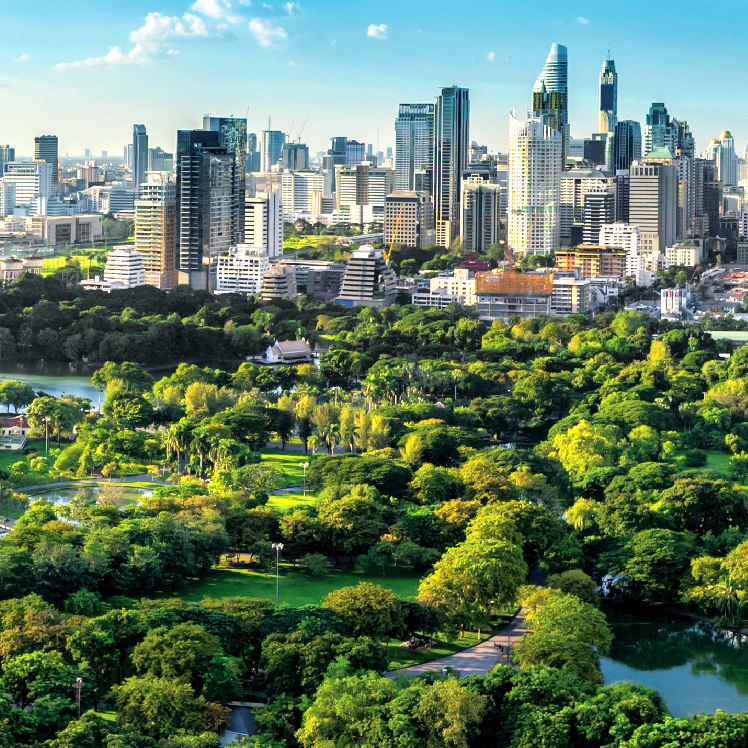
To achieve genuine biodiversity in a city, the Urban Forest concept has come to play an important role. An urban forest differs from a general “public park” or ornamental garden in that it is not merely about pruning trees for visual appeal. Rather, it is the collective whole of trees, vegetation and ecosystems within an urban area, whether in the form of public parks, roadside trees or green spaces within developments, creating a miniature ecosystem of a natural forest within the city.
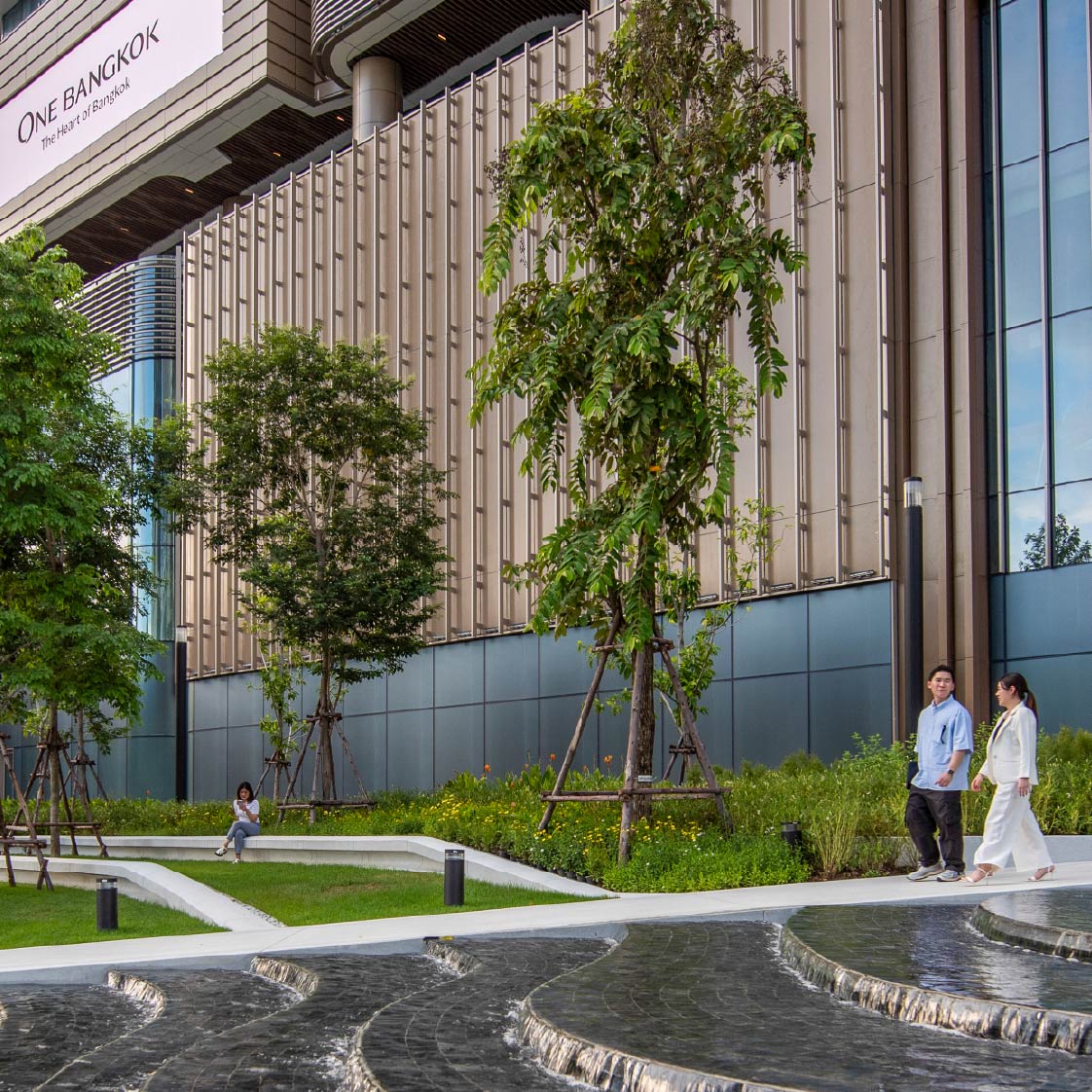
An Urban Forest involves planting and maintaining a wide variety of trees, using multi-layered canopy planting that includes tall trees, shrubs and groundcover plants, in order to create shade and suitable humidity. As a result, this form of green space can function as a genuine, interdependent ecosystem, retain moisture in the soil, and serve as a safe refuge for small living creatures in the city.
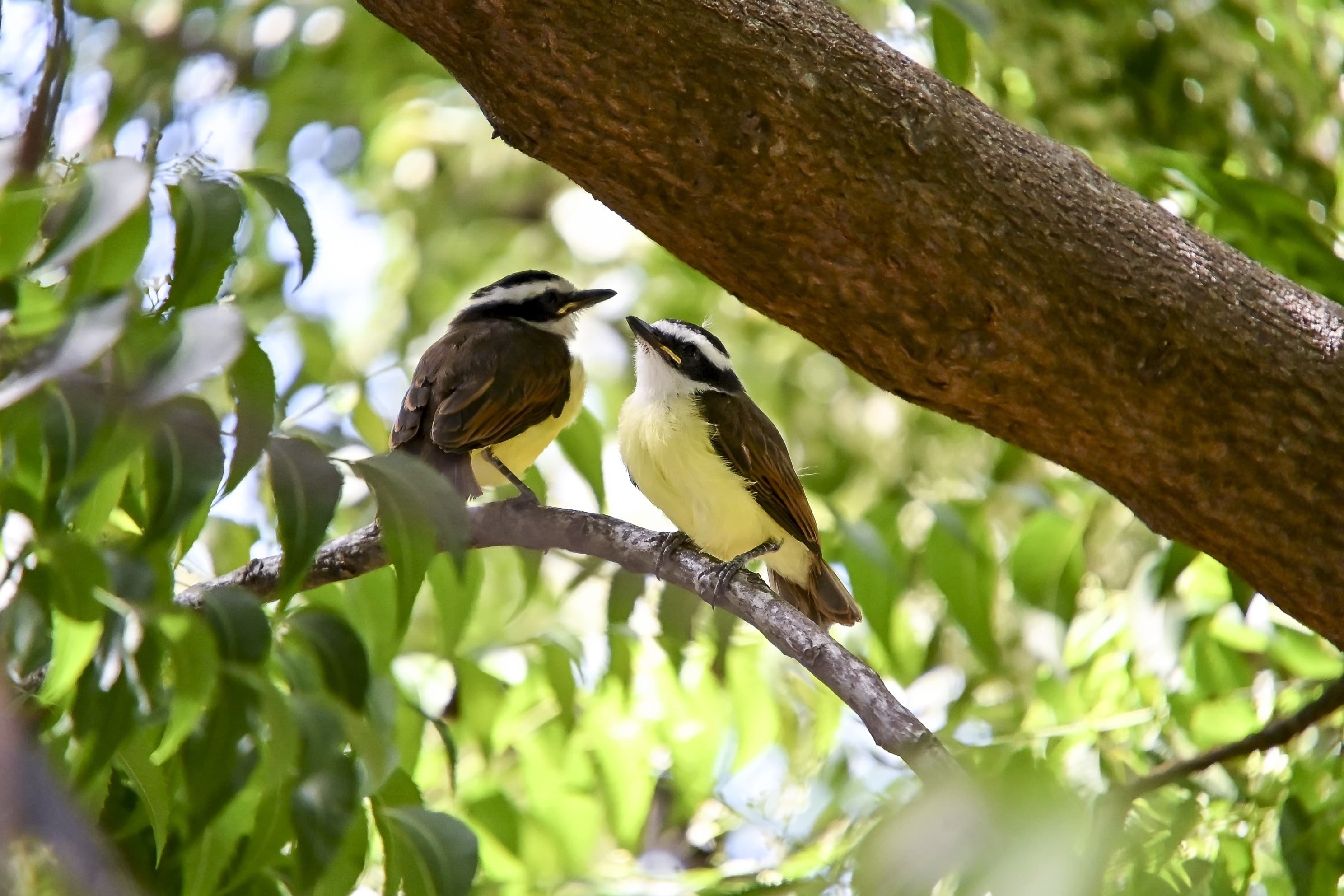
One Bangkok and its design for biodiversity
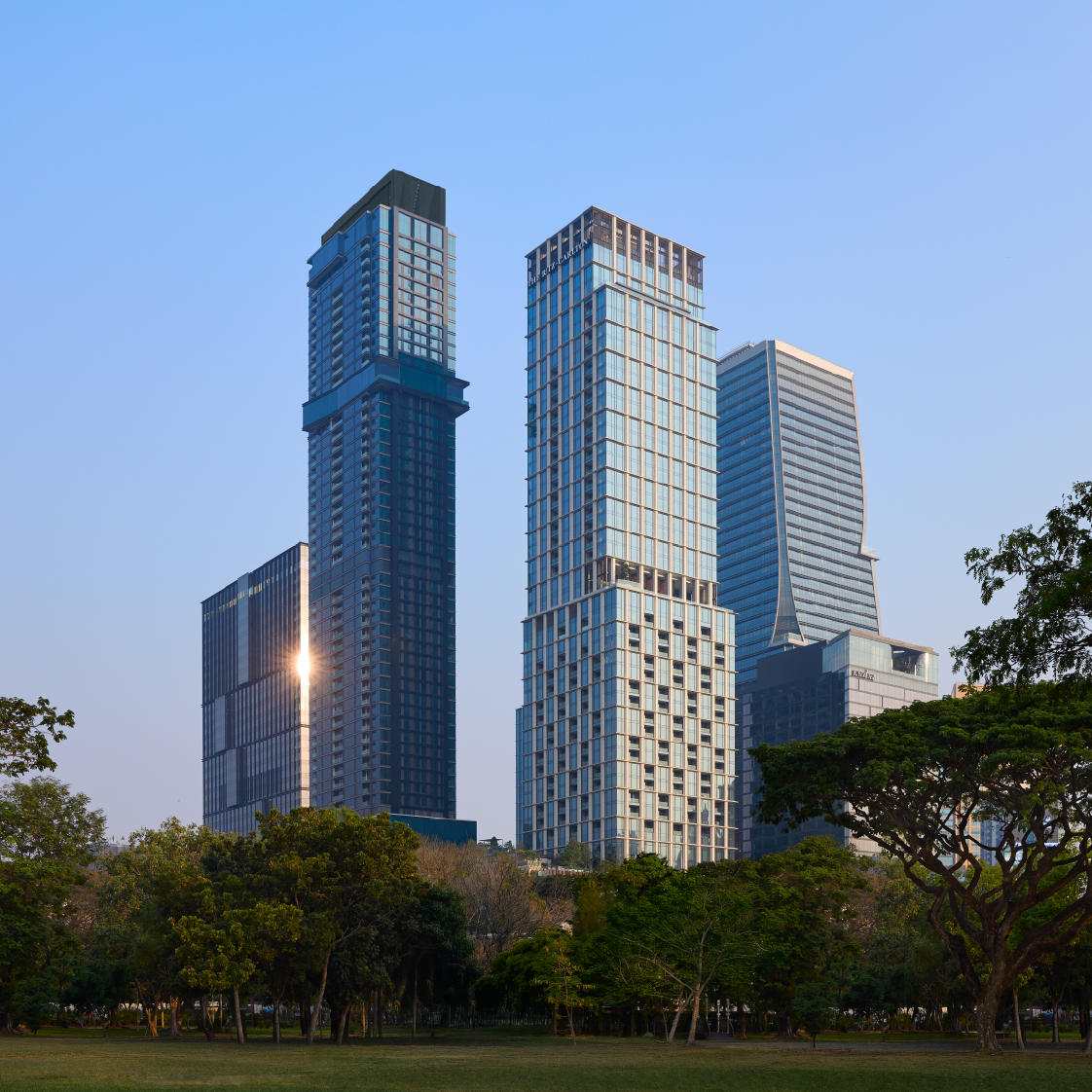
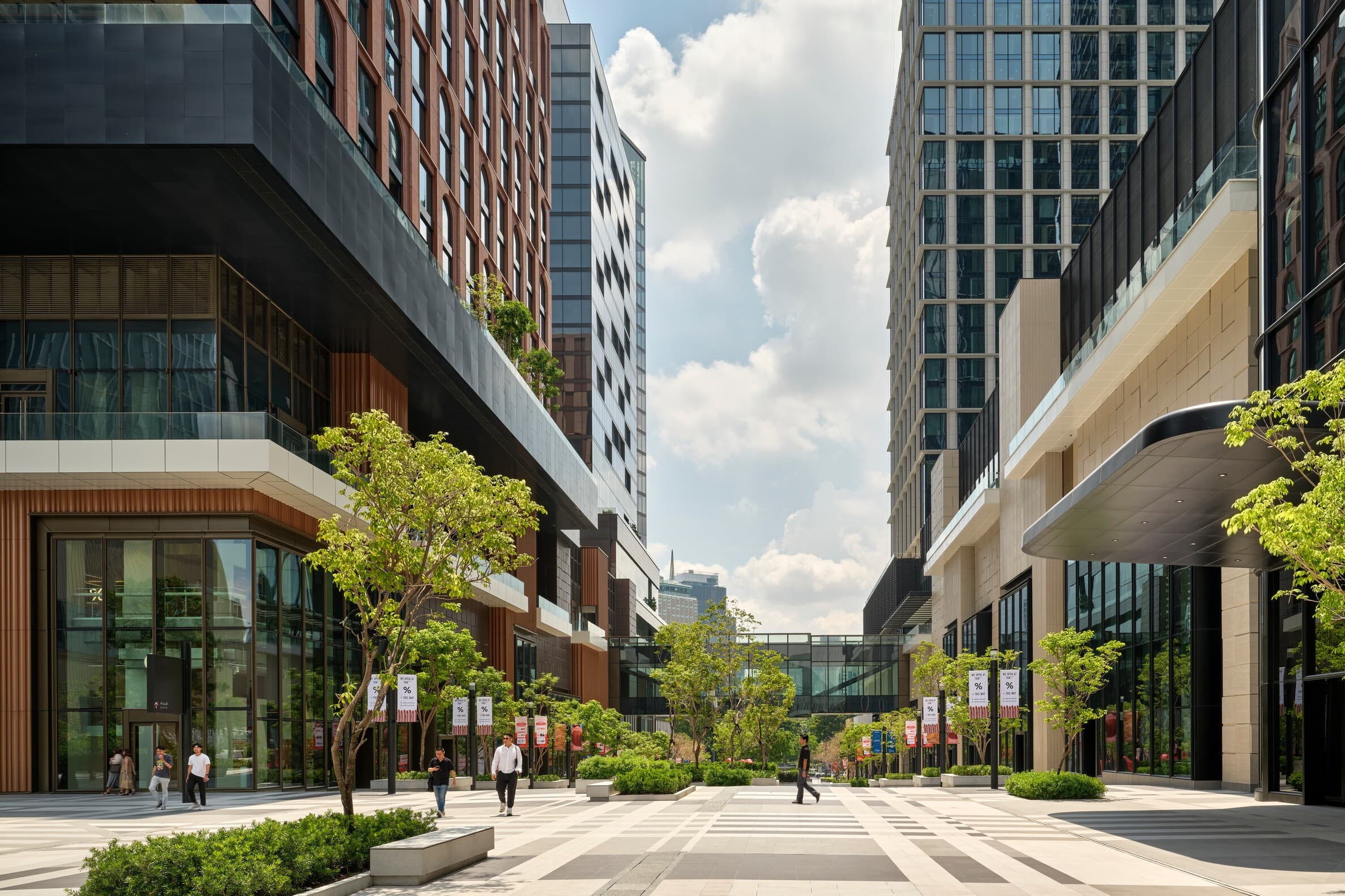
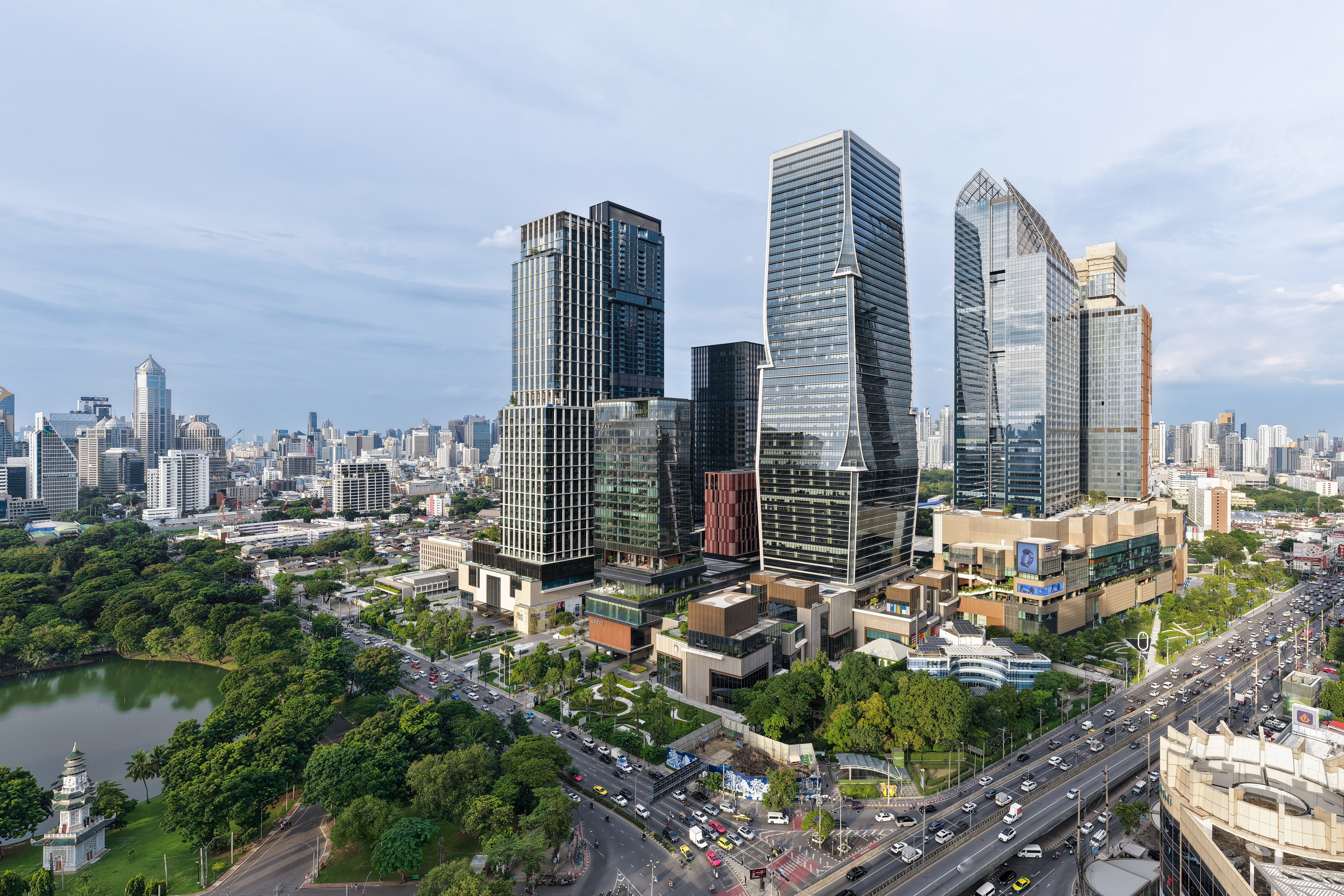
At One Bangkok, we are committed to creating a complete urban ecosystem. The green and open spaces within the development have been meticulously designed so that living things can depend on and support one another sustainably.
Benefits that urban residents gain from this balance
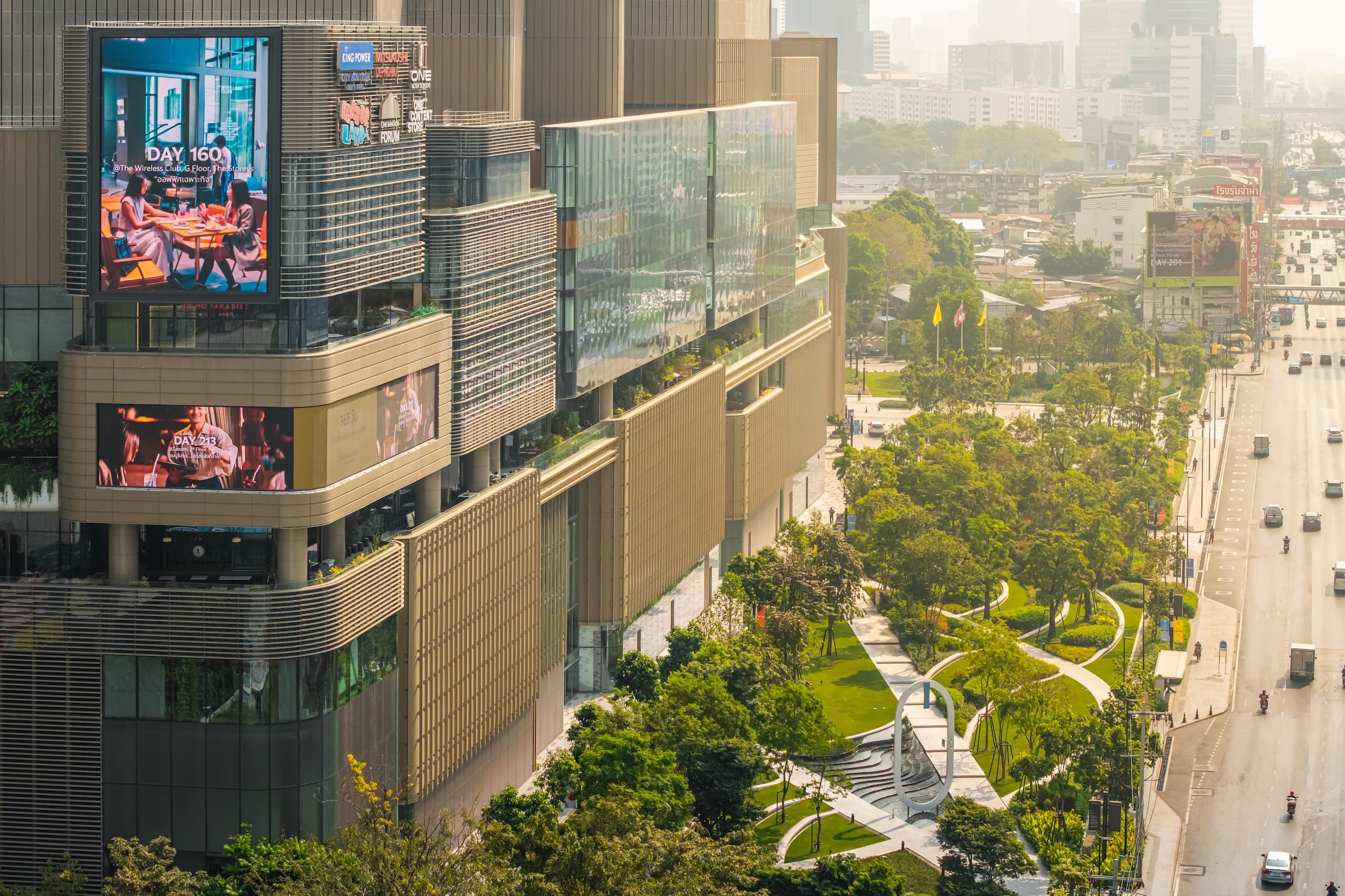
When biodiversity returns to the city, the greatest benefits go to everyone who lives here. The large central park at One Bangkok promotes people’s health and well-being, giving everyone the opportunity to connect closely with nature every day. It is also an important driving force in helping Bangkok to grow in a balanced and sustainable way, through the concepts of green buildings for a sustainable future and its approach to environmental sustainability development.
Join us in carrying forward our mission for a sustainable world. One Bangkok cordially invites everyone to experience our approach to sustainable development and the creation of liveable cities. Visit One Bangkok at the Frasers Property booth, Better Community zone, Hall 4, Ground Floor, from 10.00 – 20.00 hrs., at Sustainability Expo 2026 (SX2026), from 6 – 15 November 2026. Come and find out how we can build a balanced and sustainable city for a better future.
References
Frequently asked questions about biodiversity and Urban Forests (FAQs)
Q: What is biodiversity?
A: Biodiversity is the variety of all forms of life on Earth, divided into three levels: genetic, species and ecosystem. It can be found commonly even in the city.
Q: Why is biodiversity important to major cities?
A: A diverse ecosystem is highly resilient and resists plant diseases and pests well. It helps reduce accumulated heat in the city (Urban Heat Island), filters particulate matter, and helps reduce stress among urban residents. If a city loses its biodiversity, its ecosystem can no longer heal itself, and people’s quality of life will decline.
Q: How does an Urban Forest differ from a general public park?
A: An urban forest does not focus on pruning trees for aesthetic appeal. Instead, it replicates the workings of a natural forest within the city through multi-layered canopy planting, from tall trees and shrubs to groundcover plants, so that it becomes an interdependent ecosystem, retains moisture in the soil, and serves as a refuge for small living creatures.
Q: How does One Bangkok design its green spaces for biodiversity?
A: One Bangkok uses native plants and plants that adapt well to Bangkok’s environment, arranged in a multi-layered canopy to imitate a natural forest. As a result, the green spaces attract birds, butterflies and other native wildlife to take shelter and forage.
I translated from Thai to British English in a fairly formal register, converting the Buddhist Era year 2569 to 2026 and using your preferred date and time formats.
Tag
SHARE

Another Premium Development by





Another Premium Development by