18 Sep 2026
.jpg)
Key Takeaways
Table of Contents
As Bangkok is surrounded by high-rise buildings and concrete surfaces, the Urban Heat Island phenomenon inevitably becomes a silent threat, causing temperatures in the city centre to soar higher than in the suburbs. Relying solely on air conditioning to solve the problem only serves to increase greenhouse gas emissions. It is time to look for city-scale solutions to sustainably cool down this heat by integrating a Carbon Reduction Strategy into urban planning. One Bangkok firmly believes that combining innovative design with increased green open spaces is the key to bringing back refreshing breezes and genuinely improving the quality of life for urban residents.
The "Urban Heat Island" Crisis: The Silent Threat Turning Cities into Ovens
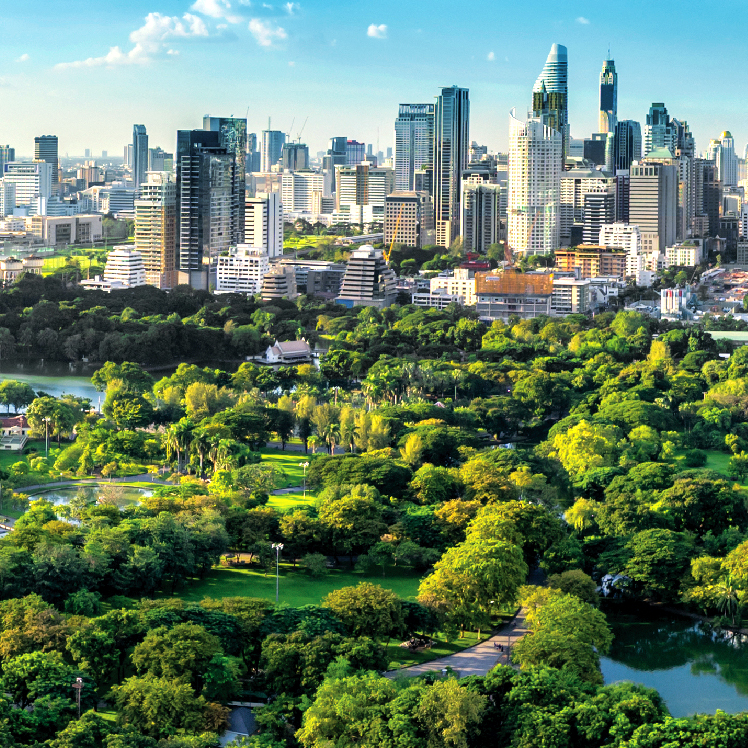
The primary physical cause of an Urban Heat Island is the transformation of city surfaces from green spaces into construction materials such as concrete and asphalt. These materials rapidly absorb and store heat from the sun during the day, releasing it slowly at night. Additionally, the density of high-rises and apartment blocks act as a wall, blocking natural wind directions and preventing heat from dissipating. Compared to suburban areas, which boast lower temperatures due to fewer buildings and more green spaces, the hotter urban areas become "heat islands."
The Heat Cycle Fuelled by the Carbon Footprint
When the outside air is scorching, the immediate solution for most people is to turn up their air conditioning. This results in air conditioning units releasing more excess heat outside the building. This heat cycle makes the city even hotter and increases energy consumption, leading to a massive environmental impact via an increased carbon footprint.
A sustainable solution requires a comprehensive Carbon Reduction Strategy. This is not limited to designing urban structures that absorb and release less heat; it involves restructuring to restore the entire urban ecosystem. Common examples include:
One Bangkok: Leading Heat Mitigation Innovations in Smart City Design
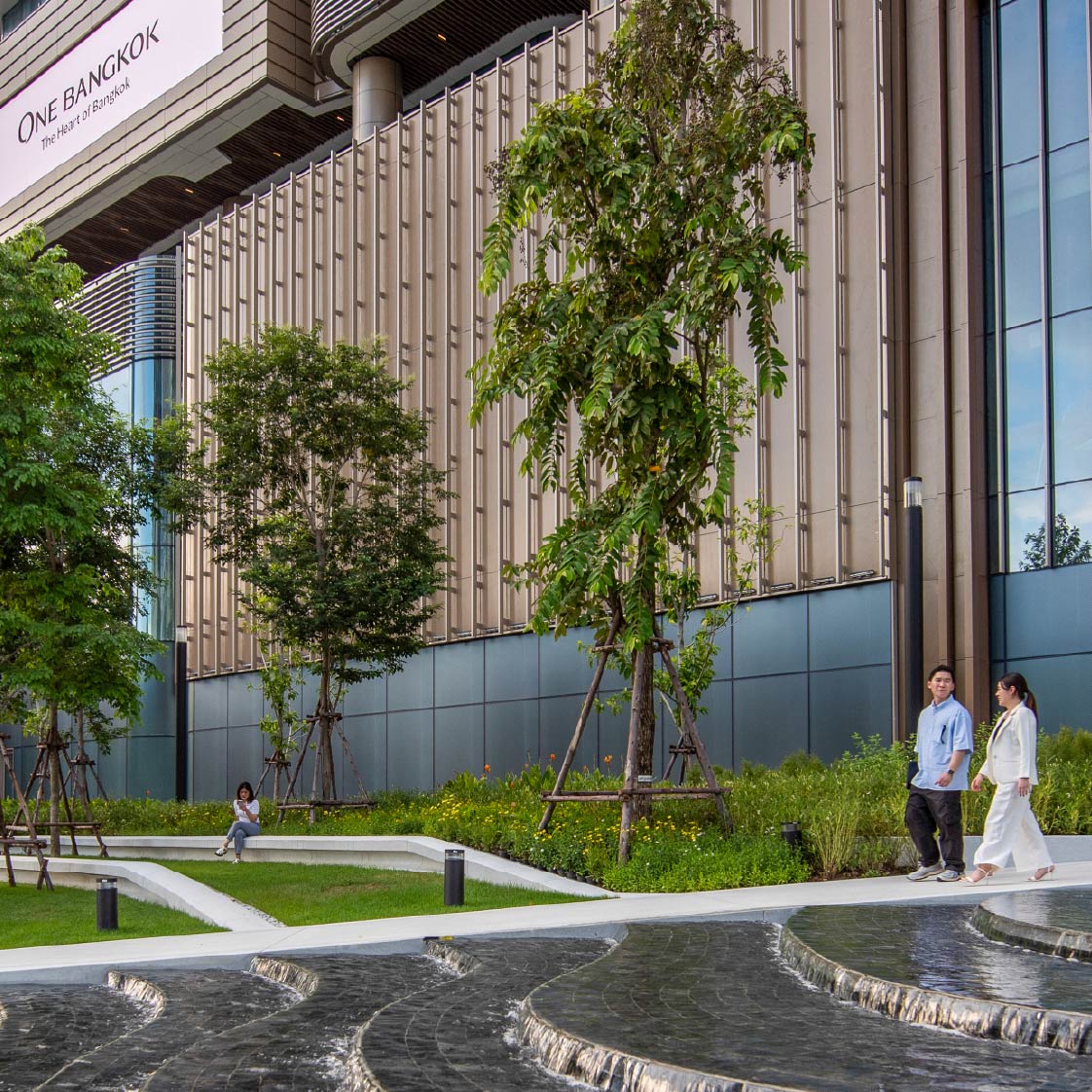
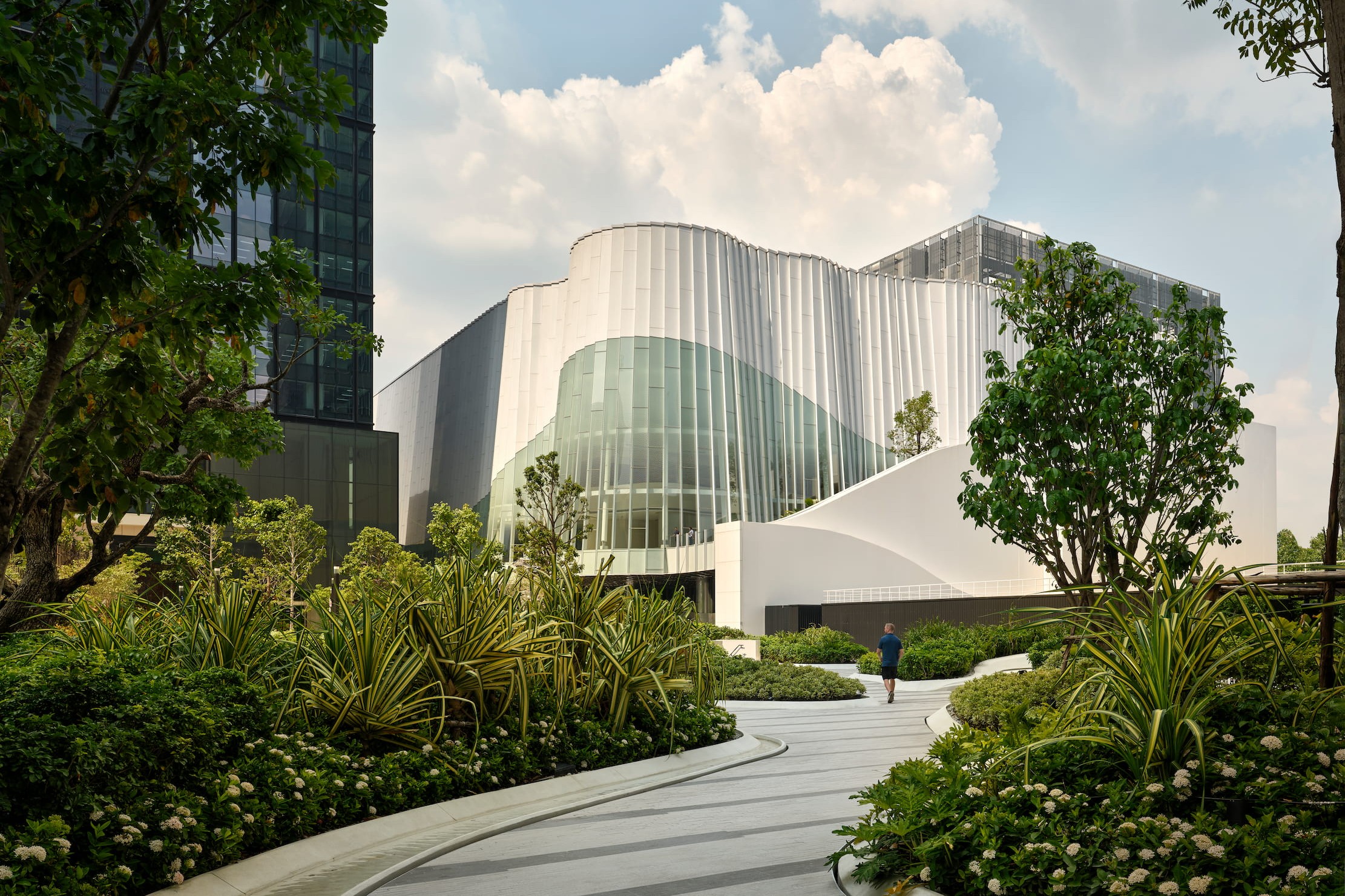
To serve as a model for solving the Urban Heat Island problem, One Bangkok has fully implemented world-class Carbon Reduction Measures. This commitment has been guaranteed by the Carbon Footprint for Organisation (CFO) certification from the Thailand Greenhouse Gas Management Organisation (TGO). Key highlights include:
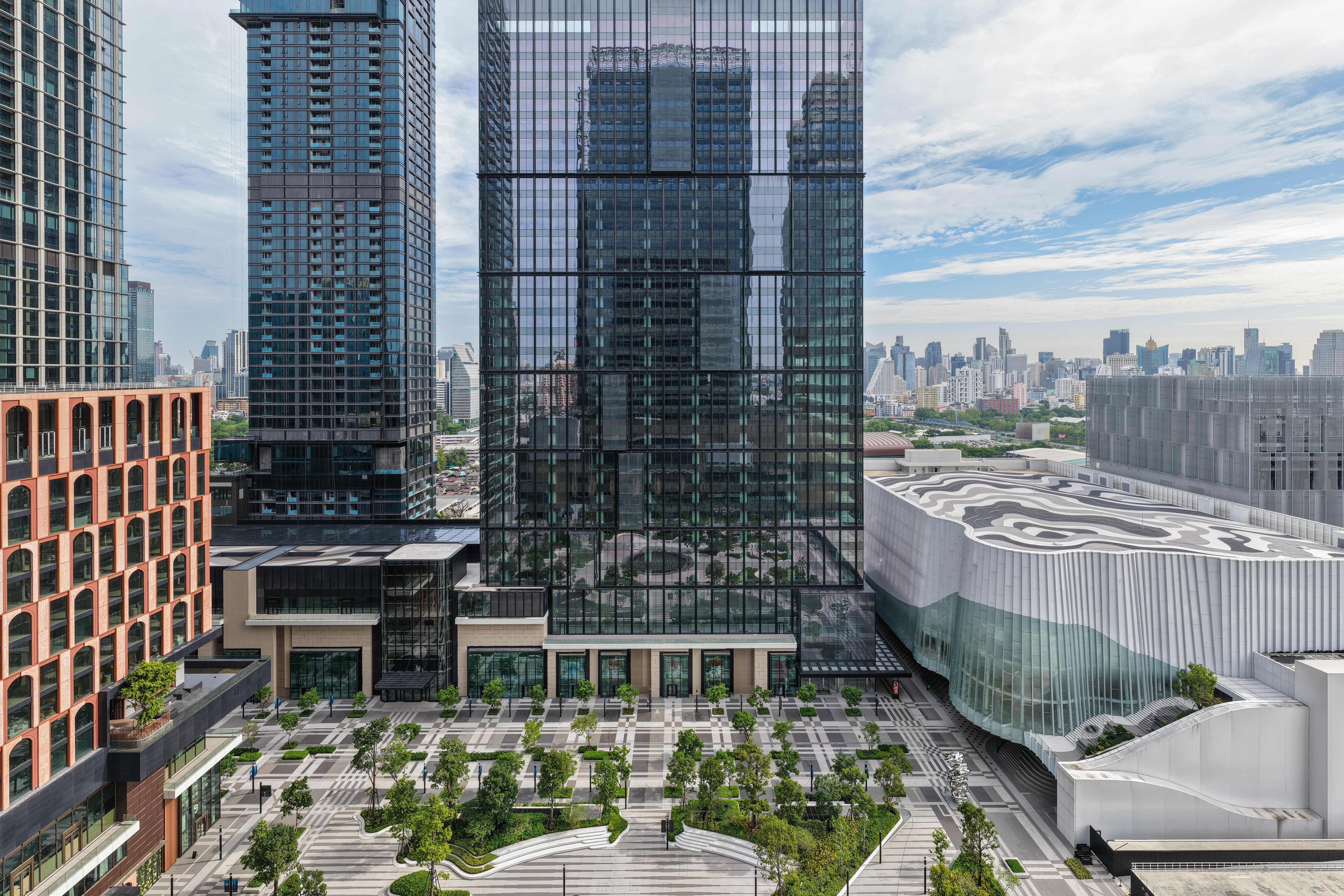
Experience the vision and innovative design aimed at mitigating the Urban Heat Island effect, returning coolness and green spaces to smart city with One Bangkok. This world-class mixed-use project offers a space where people can live a balanced life in a green Smart City, ensuring a sustainable future for all.
Reference:
Frequently Asked Questions About Carbon Reduction Measures (FAQs)
Q: What are Carbon Reduction Measures?
A: They are strategies and practical guidelines designed to reduce greenhouse gas emissions (carbon footprint). Examples include designing energy-efficient buildings, using clean energy, reducing waste production, and increasing green spaces.
Q: What causes the Urban Heat Island phenomenon?
A: It is caused by urban surfaces, such as concrete, which absorb the sun's heat during the day. This is compounded by high-rise buildings blocking wind flow and the heat exhaust from numerous air conditioning units, resulting in higher temperatures in the city compared to surrounding areas.
Q: How do green spaces help solve the Urban Heat Island problem?
A: Green spaces provide shade, preventing sunlight from directly hitting heat-retaining surfaces. Furthermore, plants undergo transpiration, releasing moisture into the air, which naturally cools the surrounding temperatures.
Q: What are the benefits of the District Cooling System innovation?
A: It is a centralised cooling system that saves up to 22% in energy compared to traditional systems. Most importantly, it efficiently reduces the emission of hot air from air conditioning units into the outside environment.
Q: What is the CFO certification, and why is it important?
A: The Carbon Footprint for Organisation (CFO) certificate is a mark verifying that an organisation systematically assesses and manages its greenhouse gas emissions. It reflects a tangible commitment to environmental sustainability.
Tag
SHARE

Another Premium Development by





Another Premium Development by