25 Nov 2026

Key Takeaways
Table of Contents
From navigating Monday morning rush-hour traffic to savouring a freshly brewed coffee at home before opening your laptop on a Wednesday, many of us have experienced how differently these two starts to the day can affect our energy levels. This contrast sits at the centre of a modern working model that is rapidly gaining momentum across organisations. As employees are increasingly given the flexibility to split their time between the office and remote locations, an important question emerges: what kind of office space best supports this method of working? This article delves into what hybrid work is, its key benefits, and what essential features an office supporting hybrid work should offer.
What is Hybrid Work and How Does It Differ from Working from Home?
Hybrid work is a flexible model combining time spent at the main office with remote working from places such as home or a local café. Commonly referred to as hybrid working or a hybrid work model, this approach is built on agility. Employees can choose the location best suited to the task at hand; for instance, deep-focus tasks can be completed at home, whereas team brainstorming sessions, mentoring, or relationship-building thrive when people gather face to face.
Many people wonder how this differs from traditional ‘working from home’. Simply put, working from home means working remotely full-time. In contrast, hybrid working incorporates scheduled office days, typically 2 to 3 days per week. The three most common structures include:
Why Hybrid Working Complements an Urban Lifestyle
Hybrid working aligns seamlessly with urban living by allowing professionals greater autonomy over their schedules. On days without a commute, professionals can spend more time exercising, preparing healthy meals, or picking up their children from school, while also making meaningful savings on travel and dining costs. At the same time, office days provide valuable opportunities for face-to-face interaction, collaborative problem-solving, and the sense of connection and energy that comes from working alongside colleagues.
Naturally, with fewer mandatory office days, businesses must ensure that every day spent on site offers genuine value. Today's workforce seeks an inspiring destination rather than just a row of desks lacking the infrastructure needed to foster high productivity.
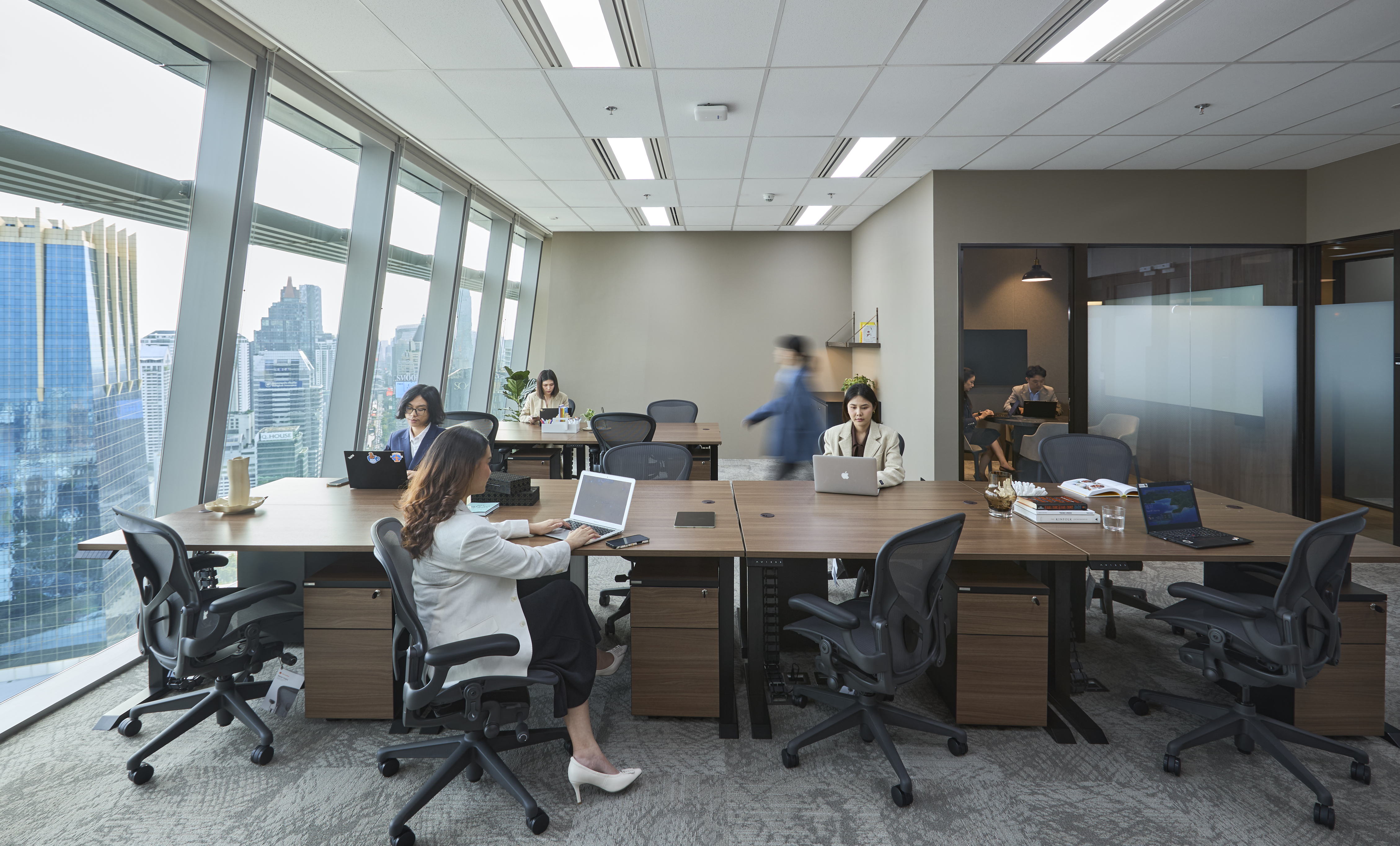
What Features Should an Office Supporting Hybrid Work Include?
Top Tips for Structuring a Balanced Hybrid Working Week
Regardless of company policy, professionals can structure their weekly routines effectively using these practical strategies:
Exploring Smart Office Buildings in Bangkok at One Bangkok
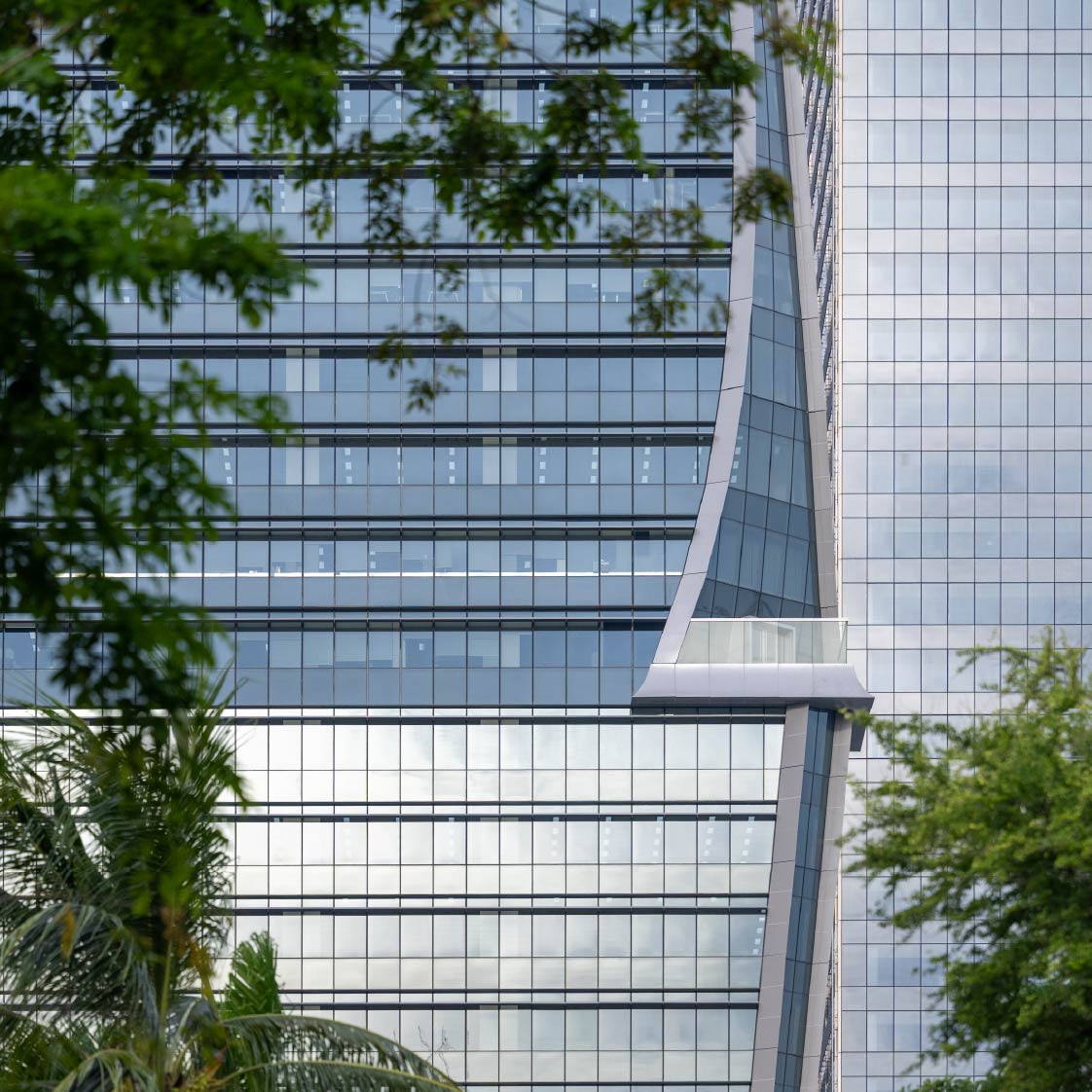
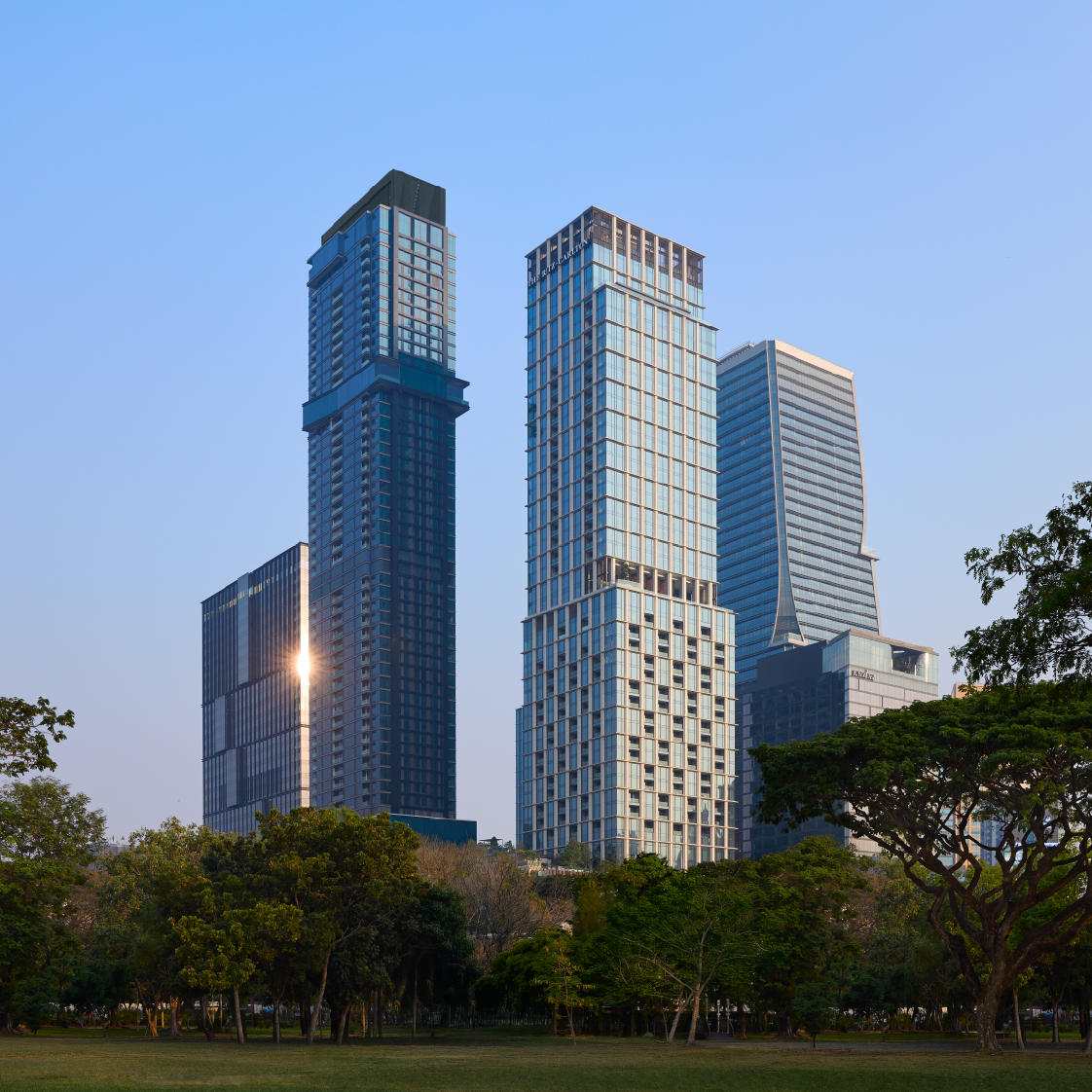
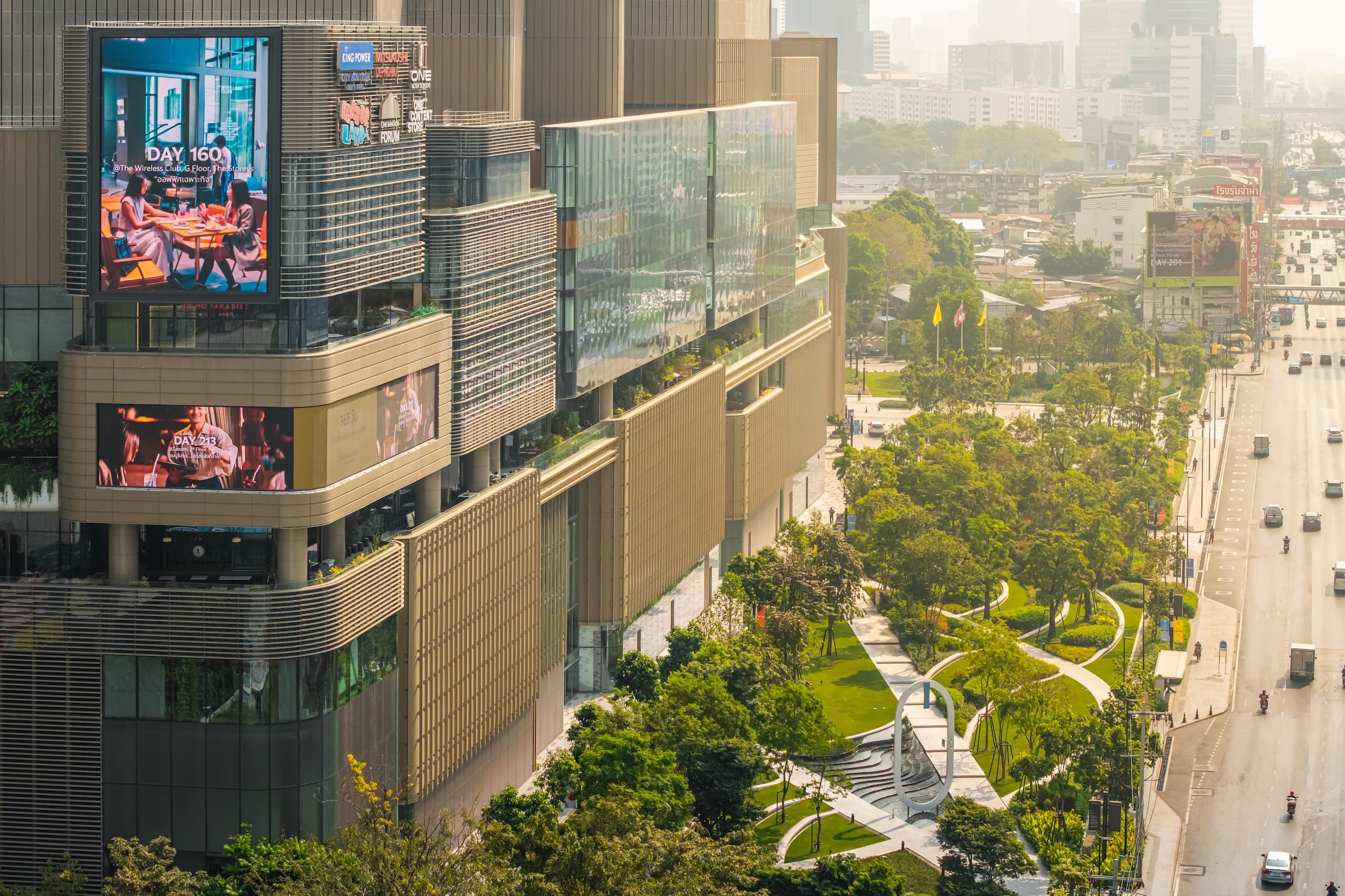
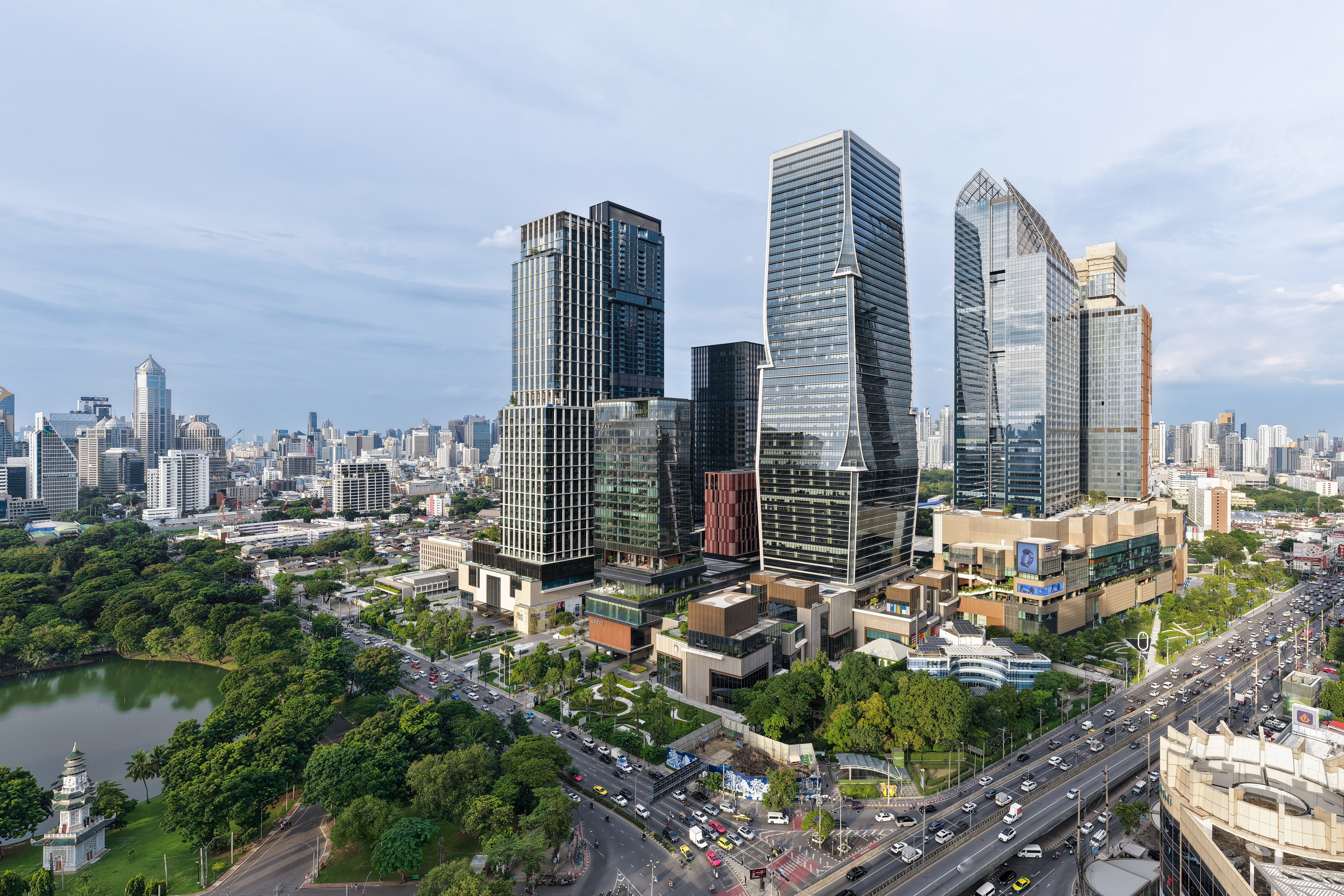
Situated directly in front of Lumphini MRT Station between Rama IV Road and Wireless Road, One Bangkok serves as a benchmark for a smart office building in a prime location in Bangkok, meticulously built to empower modern working styles. The development houses five premium commercial office towers comprising over 500,000 square metres of total net lettable area. Key features supporting a hybrid working model include:
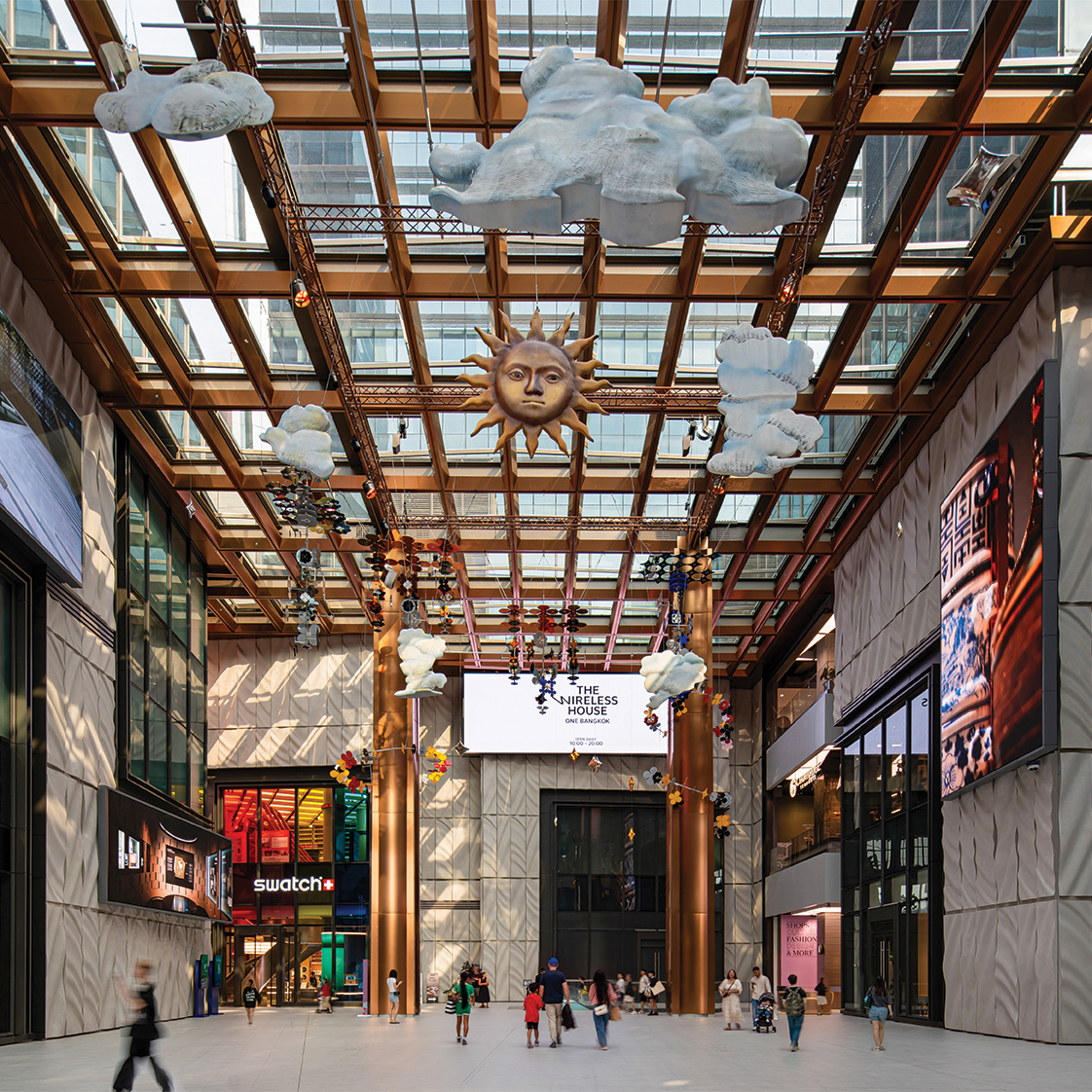
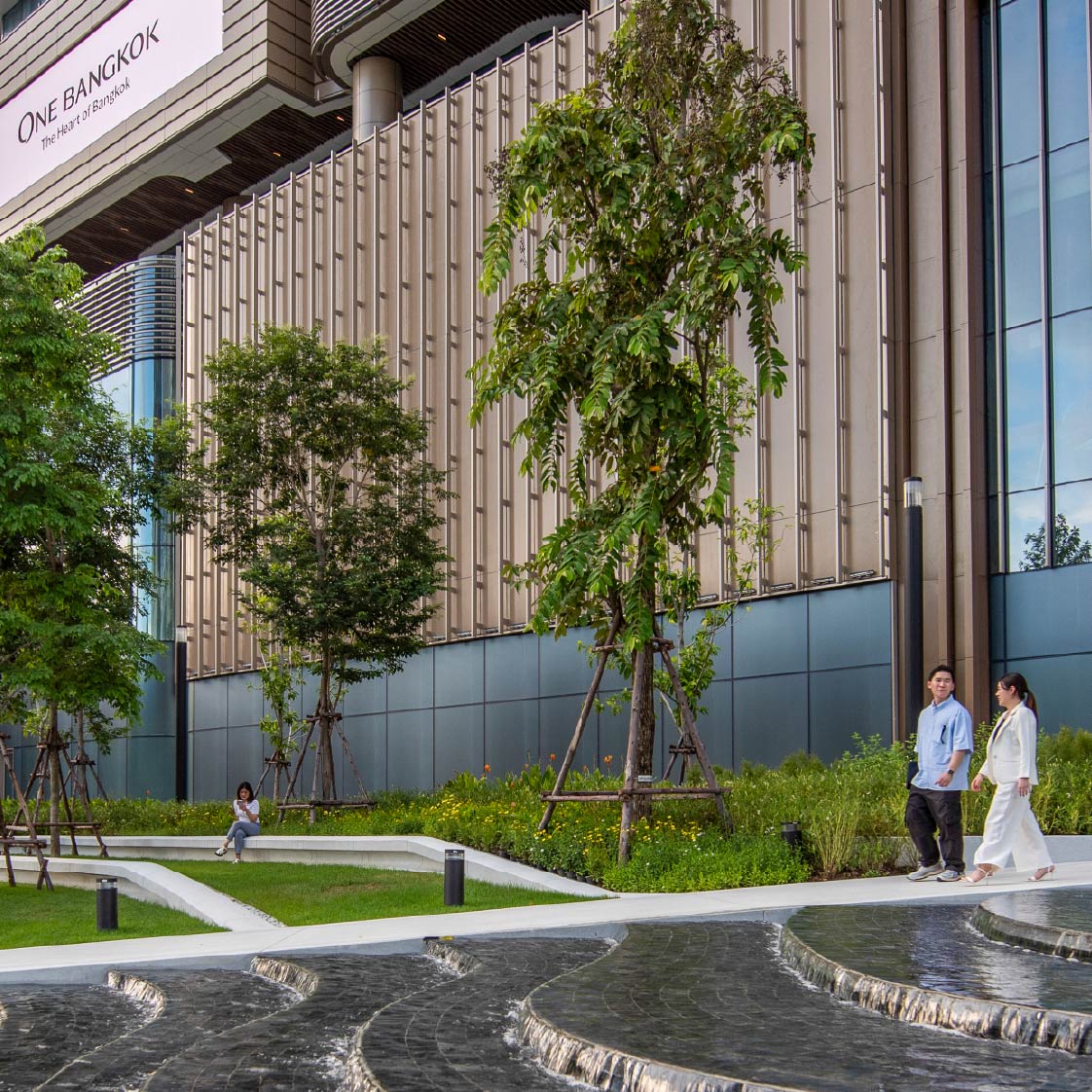
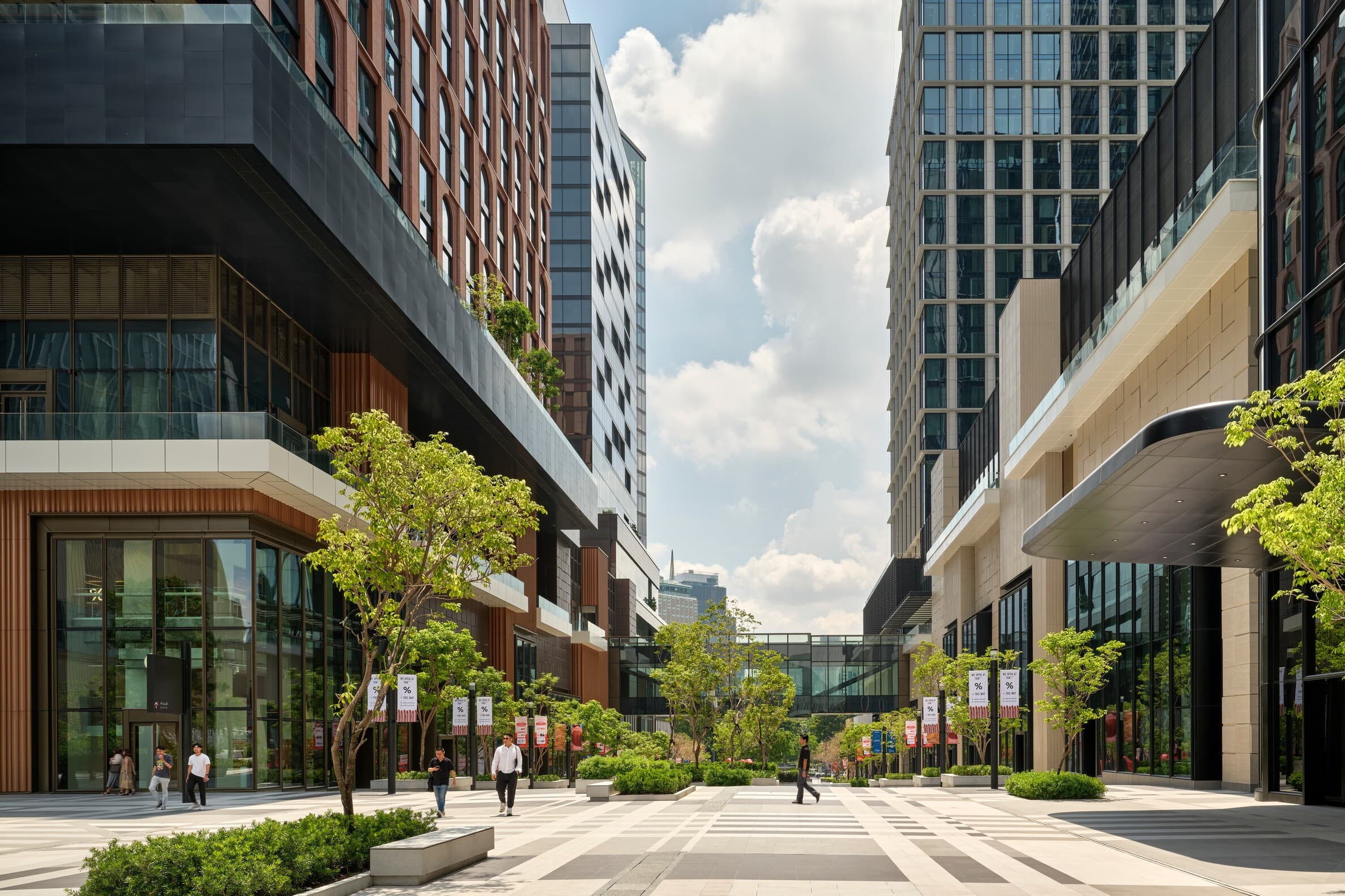
Beyond state-of-the-art office spaces, One Bangkok incorporates integrated retail destinations, expansive landscaped public realms, and seamless transit links, transforming office days into rewarding experiences—from lunching with colleagues to relaxing outdoors after work.
One Bangkok: A Smart Office Building in Bangkok Supporting Modern Working Styles
Selecting the right office environment plays a pivotal role in driving a successful hybrid work model. One Bangkok delivers on all fronts as a leading smart office building in Bangkok, designed to elevate worker well-being. Directly linked to Lumphini MRT Station, this central business destination offers over 500,000 square metres of premium office space backed by top-tier WiredScore Platinum and SmartScore Platinum certifications, app-based access technology, and LEED Platinum standards.
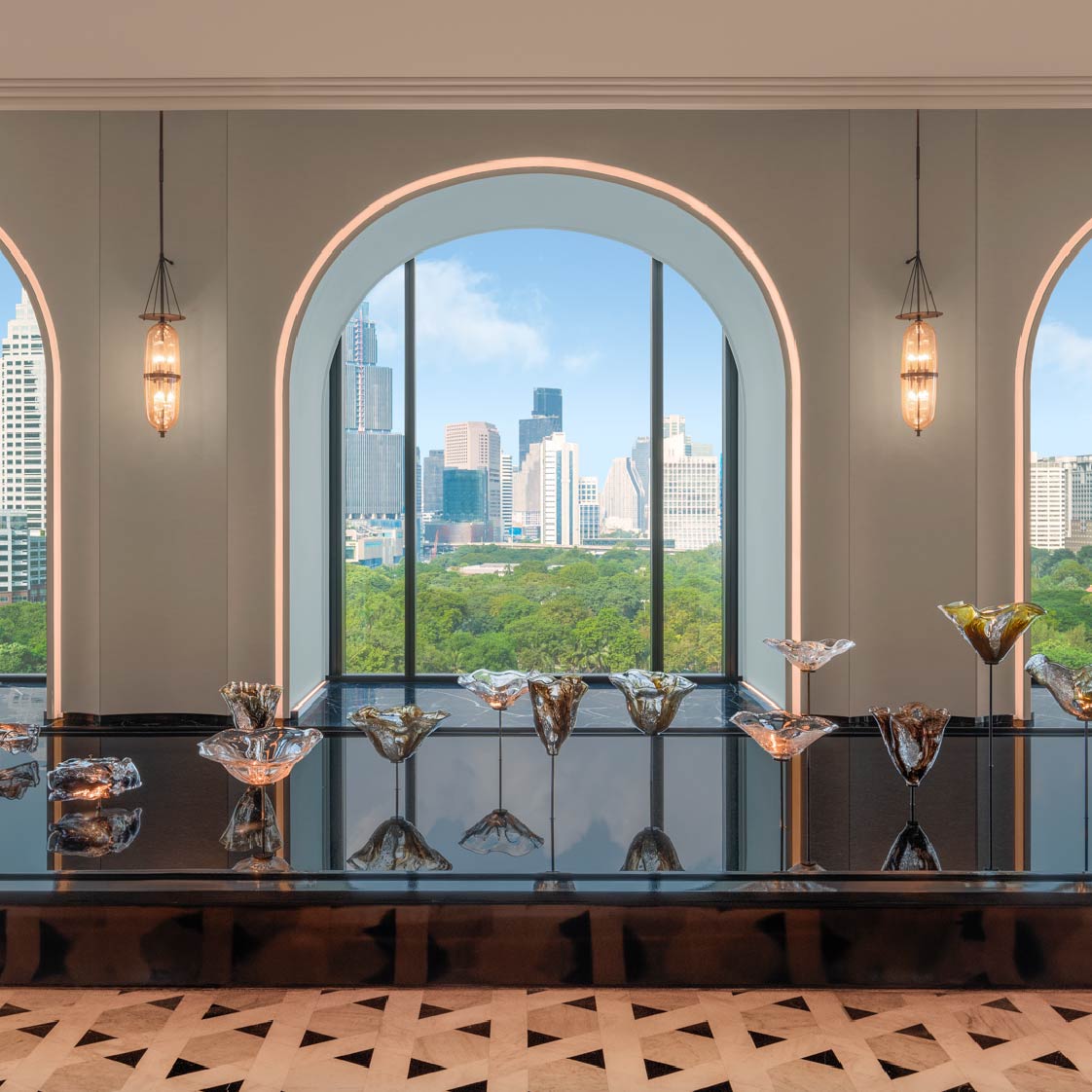
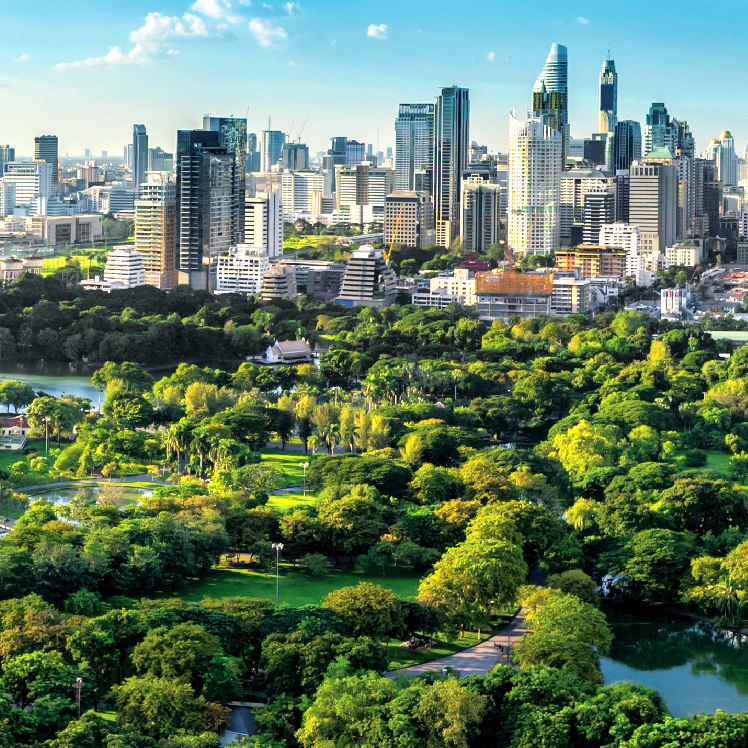
With its lush green parks and vibrant public spaces, the district inspires employees to visit the office out of genuine choice rather than obligation. Organisations looking to re-evaluate their office footprint can explore building features and floor plans for One Bangkok as a hybrid-ready workplace, or contact the leasing team to arrange a site visit.
References
Frequently Asked Questions About Hybrid Working (FAQs)
Q: What types of roles are suitable (and unsuitable) for hybrid work?
A: Hybrid working is ideal for computer-based roles evaluated on output, such as administration, analysis, design, and marketing. Frontline operational or service roles—such as retail or production line positions—may only adopt hybrid practices for select administrative tasks on specific days.
Q: How many days a week should staff work from the office?
A: There is no single rule. Many organisations start with 2 to 3 days per week before tailoring schedules to meet team requirements. Aligning office days across team members ensures maximum value from in-person collaboration.
Q: How can hybrid meetings prevent remote participants from feeling excluded?
A: Ensure robust connectivity and equipped meeting rooms, circulate agendas in advance, invite online attendees to speak first, and share concise meeting notes in a central location so everyone stays aligned.
Q: How can employees avoid overworking on remote hybrid days?
A: Establish firm working hours, switch off work notifications after hours, create a dedicated workspace, and schedule regular breaks to prevent remote days from becoming endless work sessions.
Q: What are WiredScore and SmartScore, and why do they matter for hybrid working?
A: WiredScore certifies digital connectivity, whilst SmartScore assesses smart building functionality. Both are vital for seamless remote collaboration and video conferencing. One Bangkok's office tower holds Platinum certifications in both standards.
Q: How can businesses arrange a visit to One Bangkok office spaces?
A: Interested parties can register for a site tour via the Workplace section of the One Bangkok website or contact the leasing management team directly.
Tag
SHARE

Another Premium Development by





Another Premium Development by